
We connect Maryland residents to trusted, science-based resources to grow healthy gardens, landscapes, and communities. Send us your questions, view gardening resources, and connect with the Master Gardener Program for local classes and other learning opportunities in person. All are welcome!
Education and Outreach
-

Master Gardener Program
Master Gardener ProgramMaster Gardeners are volunteers who combine their love of plants, people, and the environment to help Maryland residents grow healthy gardens.
-

Events and Classes
Events and ClassesBrowse upcoming webinars, workshops, and other meetings about Yard & Garden topics.
-
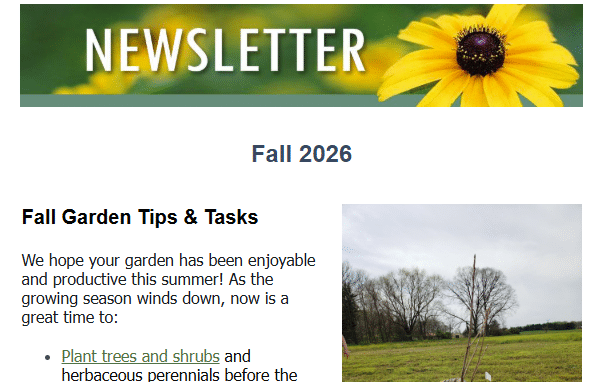
HGIC Newsletter
HGIC NewsletterOur quarterly email newsletter brings timely news, tips, events, and Q&A to your inbox. New newsletter signup form coming soon! In the meantime, contact hgicnewsletter@umd.edu to subscribe.
Resources
-

Gardening Resources
Gardening ResourcesExplore all gardening topics: native and invasive plants, soil testing, food gardening, tree and shrub care, indoor plants, diagnosing problems, and more.
-

Ask Extension
Ask ExtensionGet answers from our team of Maryland Certified Professional Horticulturists, Extension Faculty, and Master Gardeners.
-

Food Access Resources
Food Access ResourcesMake the most of your food resources and find tips on county-level help for households, pantries, and markets. Statewide food assistance resources include school meals, food donation guidance, and understanding date labeling.
Hot Topics
-

November Gardening Tips and Tasks
November Gardening Tips and TasksWhere possible, leave the fallen leaves from trees, shrubs, and perennials for overwintering wildlife and nutrient recycling. Cover fallow vegetable beds that do not have a cover crop with mulch to minimize erosion and weed germination. Now is a good time for a laboratory soil test to determine any fertilization and pH adjustment needs for next year.
-

Social Wasps: Yellowjackets, Hornets, and Paper Wasps
Social Wasps: Yellowjackets, Hornets, and Paper WaspsLearn which wasps you may encounter more frequently at the end of the season. The one-year life cycle of these nests means that most colonies do not need to be managed now since they will soon disperse and die out on their own.
-
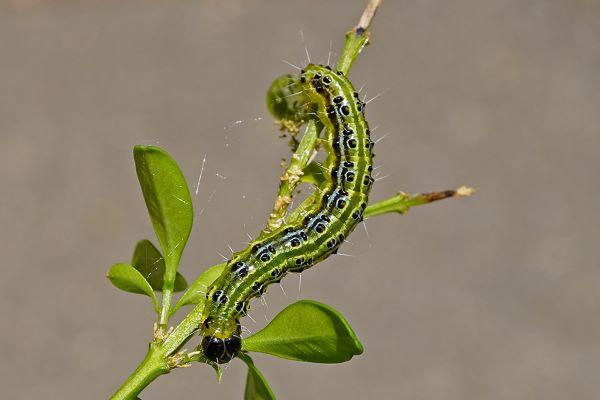
Box Tree Moth
Box Tree MothMonitor boxwoods for this spreading invasive pest whose caterpillars consume boxwood foliage. High populations can quickly decimate mature specimens, and confirmed sightings should be reported to the MDA. Learn what to look for and how to manage this species if it is found.
Blog Highlights
-

Giving Up On Plants; or, When to Commit Plant Murder
Giving Up On Plants; or, When to Commit Plant Murder -
-

Follow Us!


Thank you for the support of USDA-NIFA through Northeast Region EIPM Grants

(PDF) 2025 Home & Garden | Master Gardener Annual Report
Home and Garden Sitemap