Updated: January 13, 2026
By Drew Schiavone
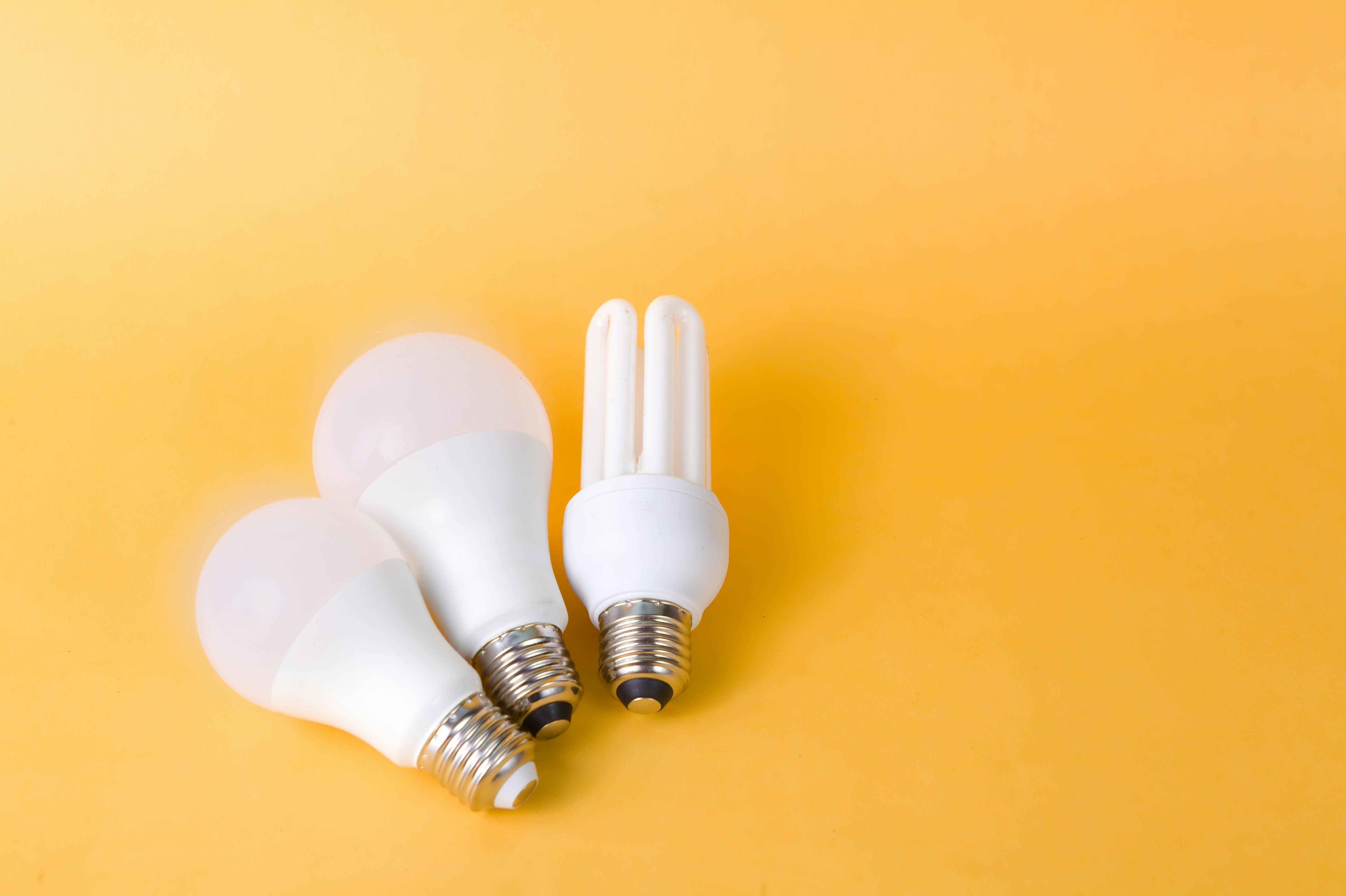
light bulbs laying on yellow surface

In the U.S., most incandescent and halogen bulbs are no longer sold because federal rules now require everyday light bulbs (general service lamps) to meet ≥45 lumens per watt—a threshold only LEDs reliably achieve. Enforcement began in August 2023, accelerating the market shift to LEDs. In April 2024, DOE adopted even stricter standards that take effect for newly made bulbs in July 2028.
Why LEDs are the default choice

  • Use far less energy for the same brightness and typically last 15,000–25,000 hours. (For example, an 800‑lumen LED replaces a “60‑watt” incandescent at about 9–12 watts.)
  • Minimal heat and wide availability in warm to cool color temperatures (2700–6500K) for different rooms and tasks.
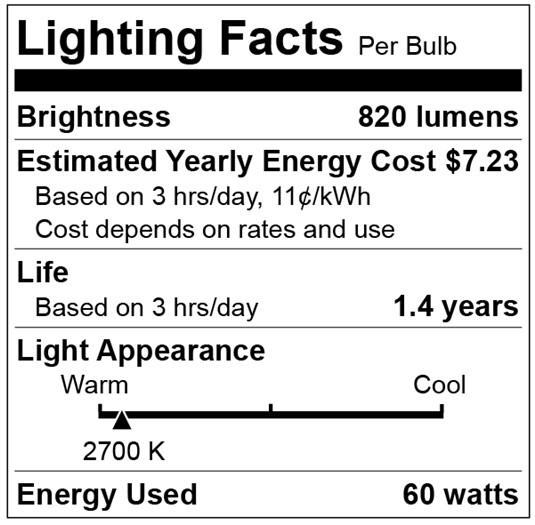
  • Quality cues on the box: Look for the FTC Lighting Facts label—it lists brightness (lumens), energy used (watts), life, color temperature (K), and estimated yearly energy cost so you can compare bulbs objectively.

Tip: Choose by lumens (brightness), not watts. Common references: 800 lumens ≈ old 60W; 1100 lumens ≈ 75W; 1600 lumens ≈ 100W.

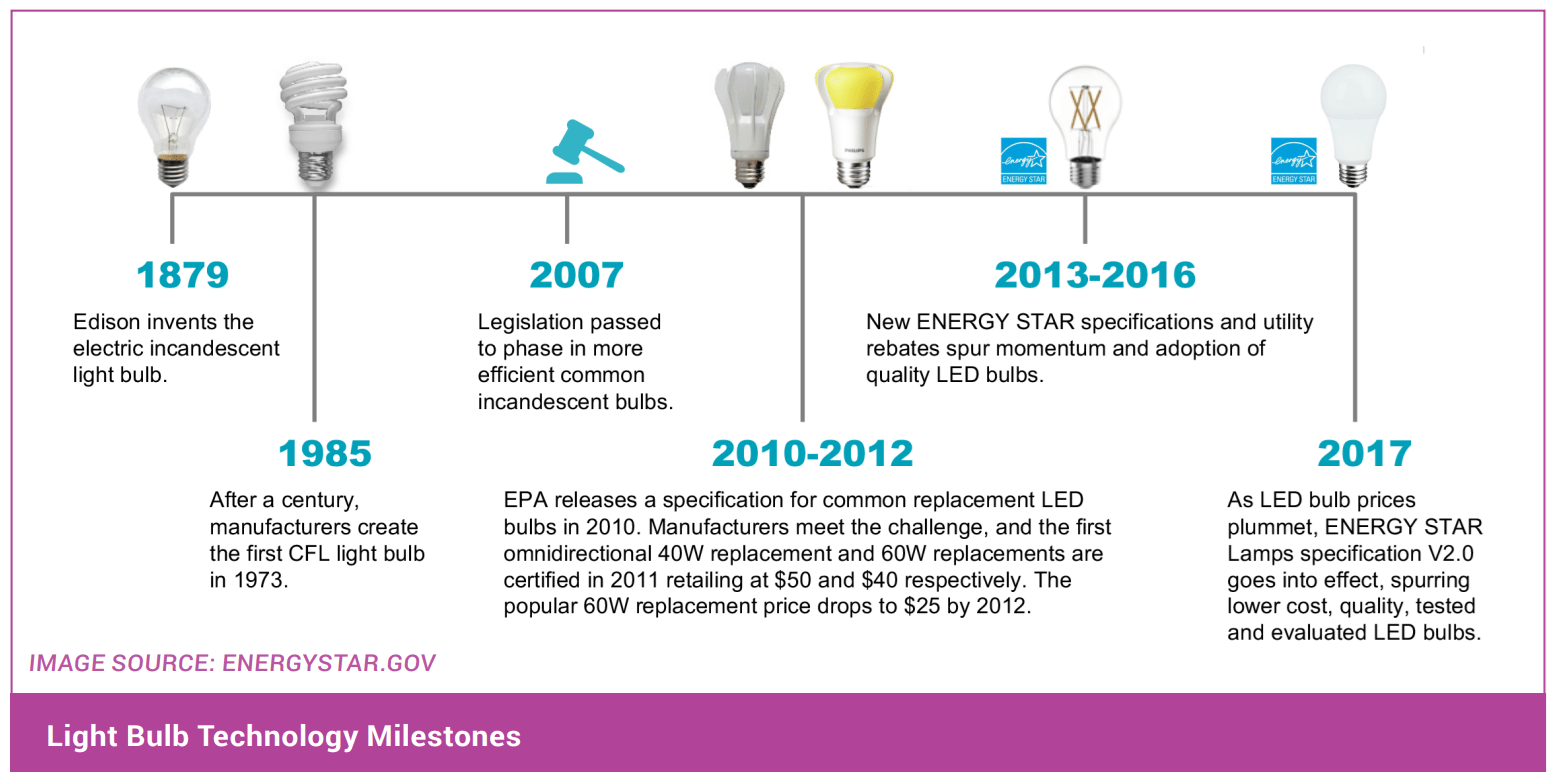
light bulb technology milestones on timeline

Color quality matters (CRI & CCT)

  • CRI (Color Rendering Index) indicates how naturally colors appear; CRI 80+ is good for general use, CRI 90+ for kitchens, baths, art, and retail‑like spaces.
  • CCT (Kelvin) sets the mood: 2700–3000K warm/cozy (living rooms, bedrooms), 3500–4000K neutral/clear (kitchens, offices), 5000–6500K daylight/alert (garages, task areas)

What changed with ENERGY STAR?

The EPA sunset its ENERGY STAR lighting certifications for most lamps and luminaires on December 31, 2024 due to the maturity of LED tech and federal standards. Some fixtures remain covered by other federal purchasing guidance, but many consumer bulbs won’t carry the mark going forward. Always rely on the FTC Lighting Facts for performance comparisons.

FTC Lighting Facts label

CFLs & mercury are phasing out

CFLs are rapidly disappearing and many states are now restricting sales of fluorescent lamps. If you still have CFLs, recycle them properly; if one breaks, follow EPA cleanup steps (air out the room 5–10 minutes, pick up fragments with stiff paper and sticky tape, do not vacuum initially, seal debris for disposal).

Practical lighting upgrades (fast wins)

  • Swap frequently used bulbs (kitchen, family room, exterior) for high‑efficacy LEDs first—these deliver the biggest savings.
  • Use warm LEDs (2700–3000K) for living areas; neutral (3500–4000K) for work surfaces; daylight (5000K+) for task/garage. Check CRI ≥90 where color accuracy matters.
  • Pair LEDs with occupancy or daylight sensors to cut waste in halls, bathrooms, and outdoor fixtures.
  • Read the Lighting Facts label—compare lumens, watts, CCT, and life to pick the best option for each fixture.

Explore other HOME ENERGY topics:

  • Sustainable home graphic with green electrical plug

    Understand Home Energy

    Understand Home Energy

    Explore the whole-house (or systems) approach to energy efficiency.

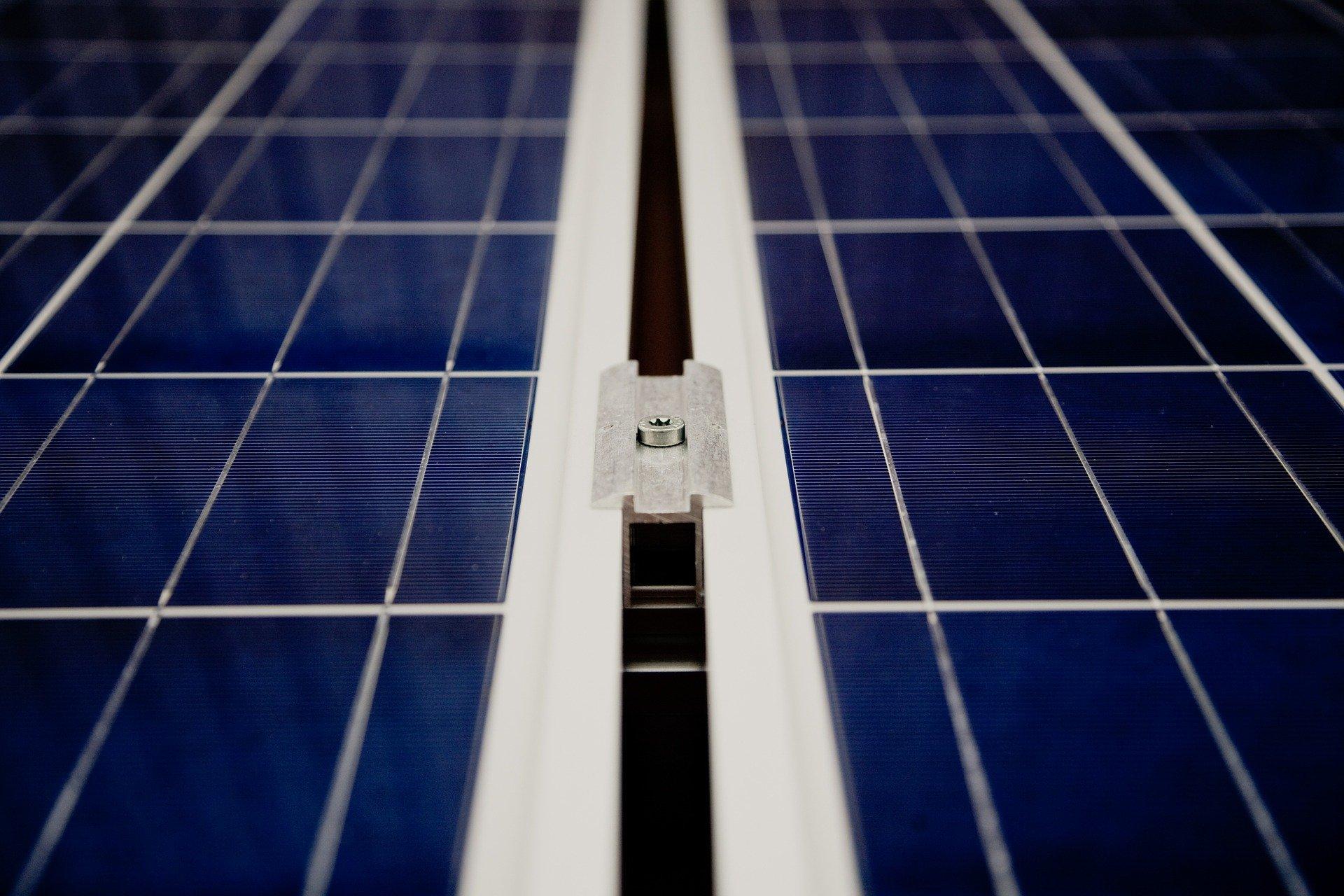
  • Solar energy PV cells and panel held with mounting bracket

    Simplifying Solar

    Simplifying Solar

    Basic understanding of residential solar installation.

  • light bulbs laying on yellow surface

    -- Lighting --

    Explore energy-efficient lighting for your home.

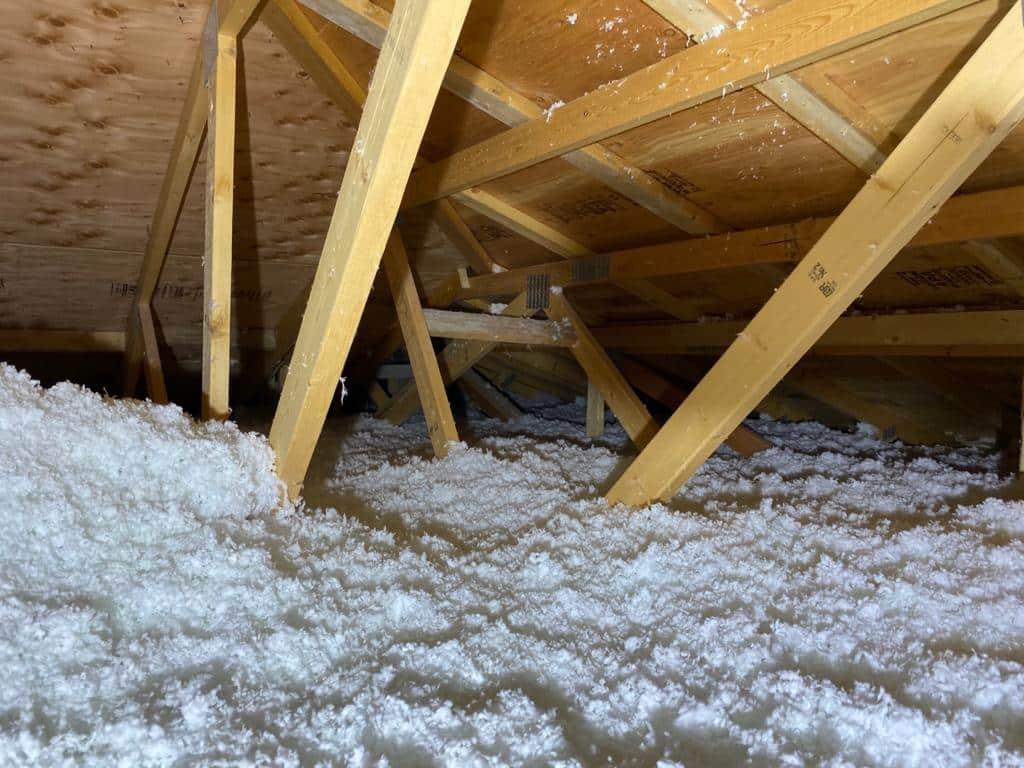
  • Blown-in insulation in attic

    Home Insulation

    Home Insulation

    Explore insulation options and strategies for your home.

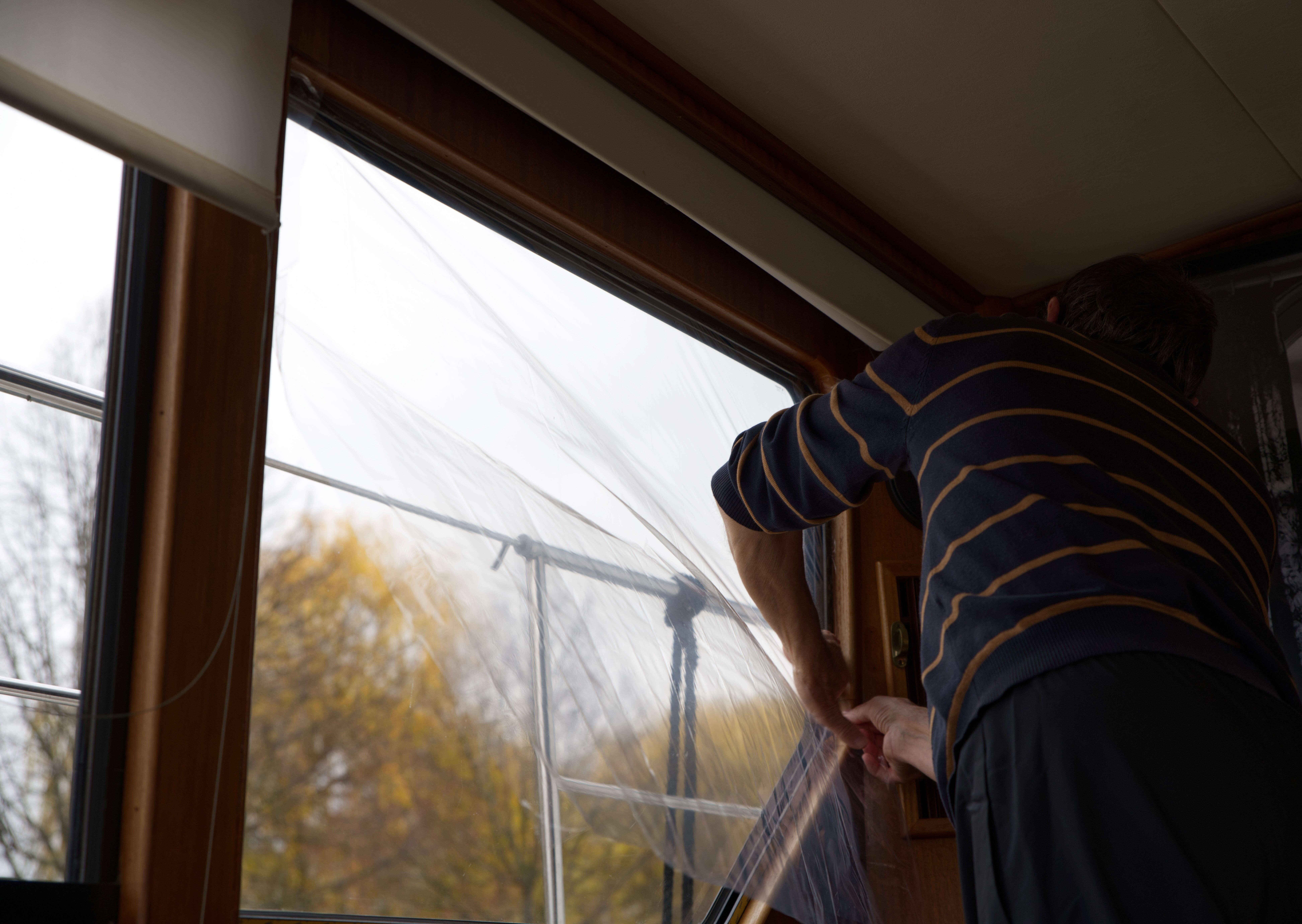
  • window film application

    Storm Windows

    Storm Windows

    Explore storm window options for your home.