
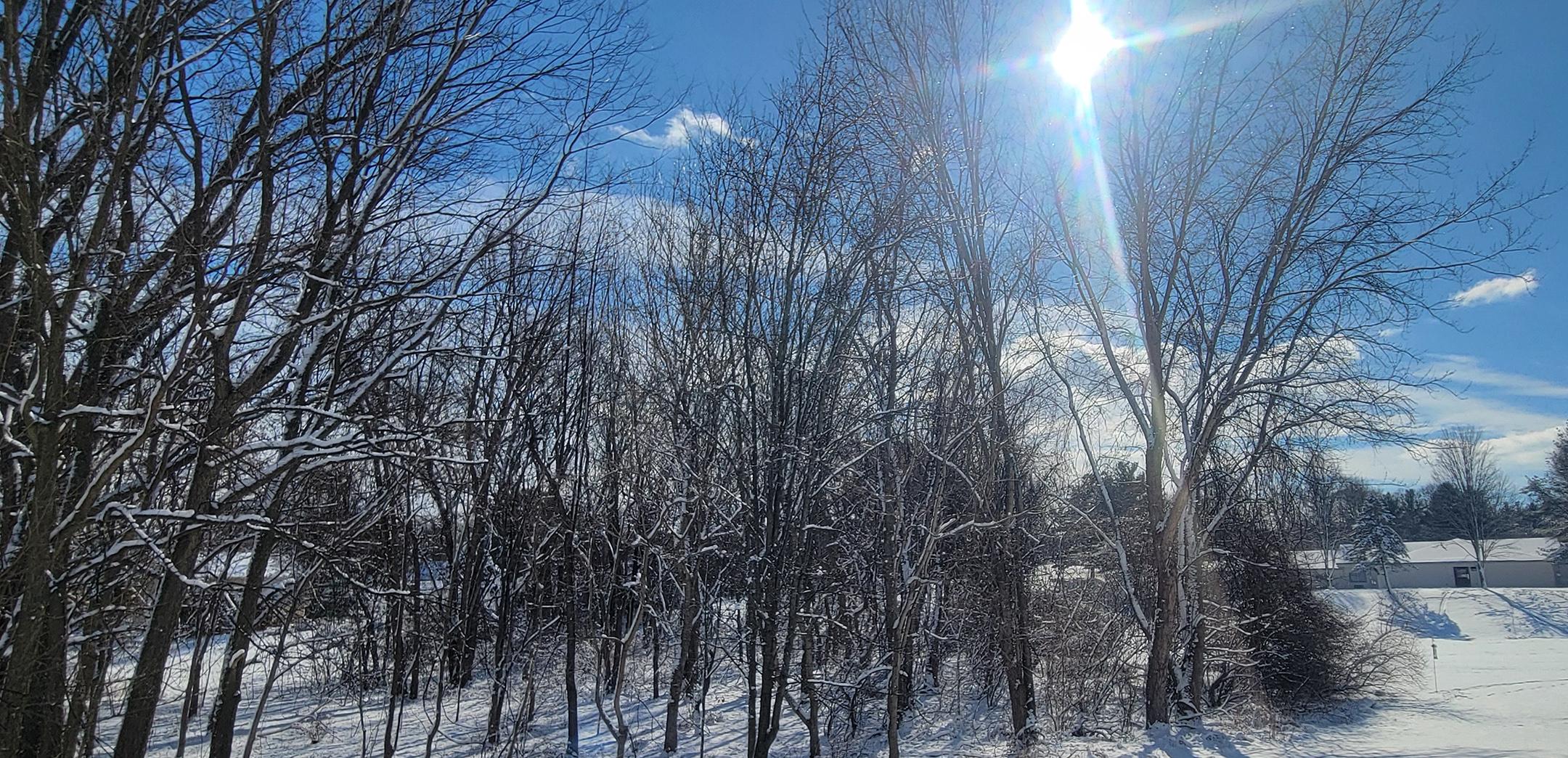
Phenology—the study of seasonal events like leaf-out, flowering, and migration—offers practical, day-to-day benefits for anyone managing or simply enjoying woodlands. Phenology links what you see on the ground to patterns in weather and climate, turning casual observation into a powerful management tool.
By tracking when trees break bud, wildflowers bloom, or insects first appear, you gain a clearer picture of how your woodland responds to temperature, rainfall, and changing seasons. Over several years, these notes may reveal trends: springs arriving earlier, flowering periods shifting, or growing seasons lengthening. Such changes affect everything from timber growth and tree health to understory diversity. With this information, you can better time activities like thinning, planting, or prescribed burns to minimize stress on trees and wildlife and to avoid peak flowering or nesting activity.
Phenology can also be an early warning system. Unusual timing—such as very early leaf-out followed by a frost, or insect emergence before birds return—can signal vulnerabilities in your woodland community. Recognizing these mismatches helps you adjust management. For example, you could develop a mix of species and ages that spreads risk across different phenological windows. Diverse woodlands tend to have longer, more stable periods of canopy greening and productivity, which support more wildlife and capture more carbon.
At the same time, phenology connects your woods to broader monitoring efforts. Many regional and national programs encourage landowners to record seasonal events, creating shared data that scientists use to understand how ecosystems are shifting. Consider joining the USA National Phenology Network to assist with citizen science projects. Phenologists favor using the Nature’s Notebook app (available for Android or Apple), which focuses on long-term monitoring, data collection, and community engagement for science and management.
By contributing observations from your woodland, you support research while gaining local insight you can apply directly to your land. In this way, phenology turns quiet walks in the woods into informed stewardship that benefits both your property and the wider landscape.