

FS-2025-0794 | September 2026
Backyard Broiler Flock Economics — What Does it Cost to Produce Chicken Per Pound of Meat?
By Dr. Jon Moyle, Poultry Specialist, University of Maryland Extension, and Dale Johnson, Farm Management Specialist, University of Maryland Extension
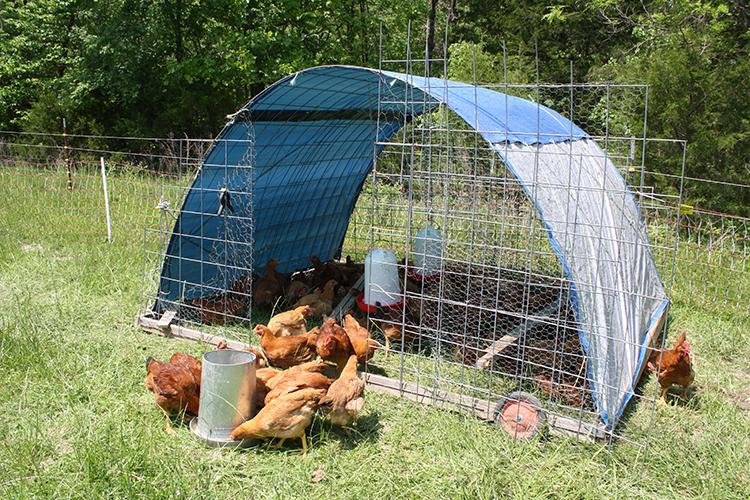
Keeping a small flock of broiler chickens offers several practical benefits for both home and small-scale farmers. Some people raise broiler chickens to have a fresh supply of poultry meat for their household and to maintain control over how the birds are fed and managed, while others enjoy producing meat to sell to friends and neighbors. For many families, raising broilers is not only an enjoyable hobby but also an opportunity to teach children responsibility and potentially earn extra income.
Whatever the reason, it is helpful to understand the economics of broiler production before starting. The key question is, “What does it cost to produce chicken per pound of meat?”
For small flocks, the answer is not always simple. Production costs are highly variable, and influenced by flock size, breed used, feed prices, housing style, climate, and management practices. As a result, the cost per pound of meat can vary widely.
Issue to Address Before You Start
Regulations and Flock Registration
Before starting, check local laws to confirm backyard chickens are allowed. Some areas limit the number, breed, or sex of birds.
- Registration: Many states, including both Maryland and Delaware, require backyard flocks to be registered with the state’s Department of Agriculture.
- Bird sourcing: Buy from reputable hatcheries or growers. Look for National Poultry Improvement Program certification or disease testing.
Processing
Before raising broilers, it is important to decide how the birds will be processed for meat. Some producers choose to process their broilers themselves, which requires proper equipment, time, and skill to ensure the meat is handled safely and humanely. Others rely on local farmers or a licensed processing facility to do the work.
Small producers may sell a limited number of birds within their state under certain exceptions; however, interstate sales always require USDA inspection during processing. Understanding these processing and inspection requirements before marketing your product is essential to remain in compliance with regulations and to maintain consumer trust.
Startup Costs – Fixed Expenses
Before getting your first broilers, you need a place to house them and the basic equipment to keep them healthy and productive.
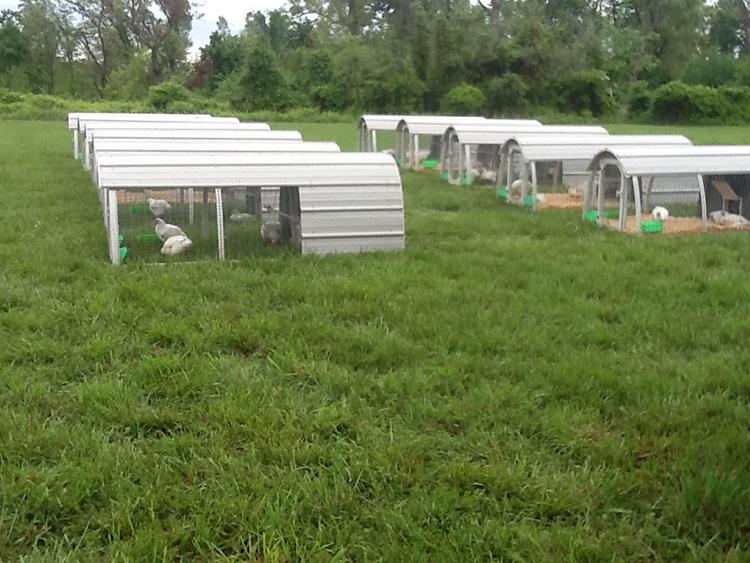
Housing
- Options range from a simple coop and fenced yard to portable “chicken tractor” systems.
- No matter what type of housing you use, it needs to be located on dry ground. Avoid wet areas and places that flood.
- Costs depend on whether you buy ready-made housing or build your own.
- Poultry housing will need to comply with local zoning regulations.
- Make sure housing is secure to ensure poultry predators cannot enter.
Basic Equipment
- Heat lamps or heaters (for brooding chicks or for cold climates).
- Feeders and waterers for chicks and adults.
- Feed storage containers
- Processing equipment (if you do it yourself). This publication assumes that you will have processing done at a local processor.
You will need to price housing and equipment to meet your situation and system. Often, it’s possible to make your own feeders and waterers from everyday items you already have.
Expect to spend several hundred to several thousand dollars up front to get started. If you plan to raise chickens for just a year or two, these startup costs are expensive. However, if you plan to keep chickens for several years with multiple flocks per year, then these expenses are more economical as the costs are spread over lots of birds.
Larger flocks benefit from what is known as “economies of scale.” This means the cost per bird decreases as more birds share the same housing, equipment, and labor. Poultry housing and equipment often have a minimum capacity, so adding more birds makes better use of these resources and spreads the fixed costs over a greater number of chickens. As a result, the average cost per bird declines as flock size increases.
Variable Costs – Production Expenses
Production costs in a backyard or small flock are variable — they change with flock size, breed, and stage of production. These are called variable costs, and they are often underestimated.
Major Variable Costs Include
- Feed – the largest expense in meat bird production. Often, buying feed in larger quantities can lower the cost per pound, helping lower production costs. Growing your own chicken feed can also significantly reduce feed costs per pound.
- Chicks – Using good broiler genetics will result in more pounds of meat produced per pound. of feed consumed. This is called meat/feed conversion ratio.
- Electricity – Lighting, heating, or cooling.
- Bedding – Floor and nest box material.
Backyard Broiler Cost Budget Tool
University of Maryland Extension Specialists Dale Johnson and Dr. Jon Moyle developed a simple budget tool to help flock owners calculate the true cost for producing boilers. The tool was created using their own experience and with input from other backyard producers.
Because backyard broiler production is highly variable, this tool helps flock owners see their cost of meat production so they can sell them for a profit.
Download a copy of the spreadsheet here:
The following sample budget outlines production costs. It is important to understand how the budget is calculated since it depends on size of flock, production yields, and cost of inputs. The budget uses assumptions which are explained below the example. This example will assist you in calculating your own budget estimates based on the number of broilers you are planning to raise and your production system.
Table 1: Straight Run Broiler Budget1 (10 Birds)
Production assumptions
- Number of birds: 10
- Mortality rate: 10%
- Average carcass weight2: 7 lb.
- Growing period: 8 weeks
Value of Meat Produced
| Item | Unit | Quantity | Price | Total |
|---|---|---|---|---|
| Total carcass weight produced3 | Pounds | 63 | $3.50 | $221 |
Expenses
| Item | Unit | Quantity | Price | Total |
|---|---|---|---|---|
| Chicks4 | Per chick | 10 | $6.00 | $60 |
| Chick starter feed5 | 50 lb. bag | 1 | $17.00 | $17 |
| Early bird grower feed5 | 50 lb. bag | 1 | $16.00 | $16 |
| Finishing feed5 | 50 lb. bag | 1 | $15.00 | $15 |
| Bedding6 | Bale | 0.5 | $6.00 | $3 |
| Processing Fee7 | Per bird | 9 | $5.00 | $45 |
| Labor8 | Minutes per day | 10 | see notes | 560 minutes |
| Amortization of startup costs below9 | n/a | n/a | n/a | $67 |
Startup Costs10
| Item | Total |
|---|---|
| Infrared heater for brooding | $50 |
| Feeder and waterer | $70 |
| Feed storage containers | $50 |
| Housing | $500 |
Summary
| Summary | Amount |
|---|---|
| Total Expenses | $223 |
| Total cost per pound of carcass weight | $3.54 |
| Total startup costs | $670 |
Assumptions:
- This budget is based on 10 Cornish cross meat type broilers. Many producers experience more than 10% mortality.
- Assumes it takes 8 weeks to grow straight run birds to an average of 7 lbs. dressed weight.
- Carcass weight multiplied by number of birds produced factoring in mortality. The price of broilers is variable and subjective. If the broilers are sold, the price should cover costs and provide a profit. If broilers are used for home consumption, the price should be compared to store price adjusted for additional intrinsic value or satisfaction from producing the broilers.
- Chick prices are variable. Most backyard producers buy chicks from local feed store or purchase off the internet with chicks shipped to post office. This budget is based on meat type breed.
- Purchase feed from reputable feed company. Feed conversion is approximately 2.4 pounds of feed to 1-pound dressed weight.
- Used bedding has economic value as carbon & fertilizer source in compost for garden.
- This budget is based on processing at a local facility. Costs will vary.
- Total labor in minutes for eight flocks is estimated at 10 minutes a day to take care of the flock. This includes feeding and watering. A true economic analysis would value labor but valuing labor would discourage backyard producers.
- The total startup costs are amortized over 10 flocks ($670/10). These items will last several years so if broilers are kept for more than 10 flocks, costs per unit will decrease.
- Housing & equipment expenses are highly variable depending on how many birds are produced. This budget assumes that the housing and equipment will be used for at least 10 flocks.
In this example, the cost of producing meat is $3.54 per pound. This cost can be reduced through good management to improve efficiency, by increasing flock size, or by spreading startup costs over additional flocks. Poor management, however, will result in even higher costs per pound.
When selling meat to neighbors, both the production cost per pound and the value of your labor should be considered when setting the price.
Record Keeping
Maintaining accurate records is essential for managing a successful backyard flock. It helps you track expenses, monitor productivity, and evaluate profitability.
Key records to maintain include:
- Flock Inventory: Breed, number of birds, mortality
- Health Records: Vaccinations, illness treatments, and mortality
- Feed: Type, amount, and cost
- Weeks of production and carcass weight
- Sales and Income: Pounds of meat sold, price
per pound, total income - Expenses: Both fixed and variable, recorded
regularly
Consistent record keeping allows you to identify trends, reduce unnecessary expenses, and make betterdecisions over time.
Keep Your Birds Safe – Practice Biosecurity
Biosecurity is one of the most important ways to protect your birds — and your investment — from disease. Good biosecurity is built on three key principles:
- Isolation – Keep your flock separate from other birds.
- Traffic Control – Limit who and what comes in contact with your flock.
- Sanitation – Keep housing, equipment, and people clean.
Basic biosecurity practices include:
- Restrict access:
- Keep unnecessary people away from your chickens.
- Lock doors.
- Use fences and signs to keep visitors out.
- Dedicated clothing: All family members should
have specific clothing for poultry chores (boots,
shoes, gloves, hat, etc.) that are never worn off
the farm. - Avoid other flocks: Try to avoid visiting other
backyard or commercial flocks to prevent
carrying disease home. - Clean equipment: Clean and disinfect all equipment before it is brought onto the farm/ residence and again before it leaves.
- Dead bird disposal:
- Remove and properly dispose of dead birds.
- Poor disposal can spread disease and attract flies and scavengers.
- High mortality response:
- Contact the Maryland or Delaware Department of Agriculture State Veterinarian immediately if high mortality is observed.
- Sick or dying birds should be sent to a state laboratory for diagnosis.
- Do not visit other farms, residences, or 4-H events with poultry if experiencing high mortality.
- Quarantine after fairs/shows:
- Birds returning from exhibitions should be quarantined for 2–3 weeks before rejoining the flock.
- Keep them as far from the home flock as possible and care for them separately.
- Wash hands and shoes after handling exhibition birds and before visiting the main flock.
- Visit your main flock first before caring for the birds under quarantine.
Marketing
Before raising broilers, it is important to plan how the birds will be marketed and to understand the total cost of production to ensure expenses can be recovered. Small producers may be allowed to sell limited numbers of birds within their state under certain exemptions; however, they must still comply with all applicable state and local regulations. Regardless of these exemptions, interstate sales always require USDA inspection during processing.
Common outlets for selling broilers include neighbors, church or community groups, schools, and 4-H programs. In addition, social media platforms provide effective and inexpensive ways to advertise and sell poultry products directly to local customers.
Conclusion
Raising a small flock of broilers can be a rewarding experience for the whole family. The spreadsheet developed by the University of Maryland Extension is a useful tool to help calculate your true cost of production. With this information, you can make informed decisions about pricing your meat, ensuring that your flock is both enjoyable and financially sustainable.
JON MOYLE
jmoyle@umd.edu
DALE JOHNSON
dmj@umd.edu
This publication, Backyard Broiler Flock Economics - What Does it Cost to Produce Chicken Per Pound of Meat? (FS-2025-0794), is a part of a collection produced by the University of Maryland Extension within the College of Agriculture and Natural Resources.
The information presented has met UME peer-review standards, including internal and external technical review. For help accessing this or any UME publication contact: itaccessibility@umd.edu
For more information on this and other topics, visit the University of Maryland Extension website at extension.umd.edu
University programs, activities, and facilities are available to all without regard to race, color, sex, gender identity or expression, sexual orientation, marital status, age, national origin, political affiliation, physical or mental disability, religion, protected veteran status, genetic information, personal appearance, or any other legally protected class.
When citing this publication, please use the suggested format:
Moyle, J., & Johnson, D. (2026). Backyard Broiler Flock Economics — What Does it Cost to Produce Chicken Per Pound of Meat? (FS-2025- 0794). University of Maryland Extension. go.umd.edu/FS-2025-0794.