

FS-2024-0703 | April 2025
Eastern Cottontail Rabbits in Gardens and Home Landscapes
By Mariah Dean
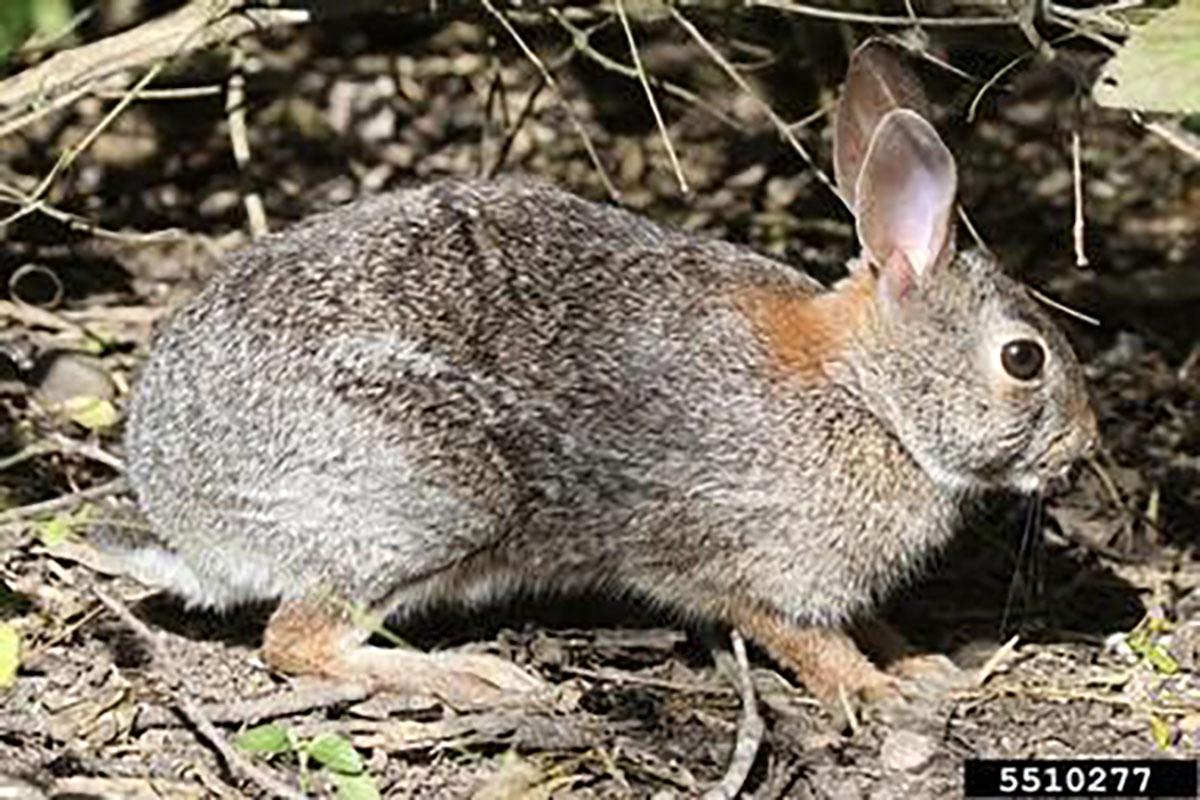
Eastern cottontail rabbits can cause significant damage to ornamental and vegetable gardens in many landscapes. This is due to several factors, including steady rabbit populations, loss of rabbit habitat, limited food options for rabbits during various times of year, and people moving to more suburban and rural areas. This fact sheet provides gardeners with an overview of basic information on rabbits and management strategies for an effective integrated pest management system for managing their impact in gardens.
Background
Contrary to popular belief, one of our most common garden visitors here in Maryland is not a rodent. Our eastern cottontail, Sylvilagus floridanus, is actually a lagomorph. Other species of the lagomorph family are hares and pikas. Lagomorphs differ from rodents because whereas rodents have one set of incisors, rabbits have two (National Park Service, n.d.). Those incisors never stop growing, so rabbits constantly need to chew in order to grind their teeth down (Beers, 2017). As such, in tandem with their unique digestive system, rabbits are voracious eaters, and often find our gardens to be quite the buffet spot!
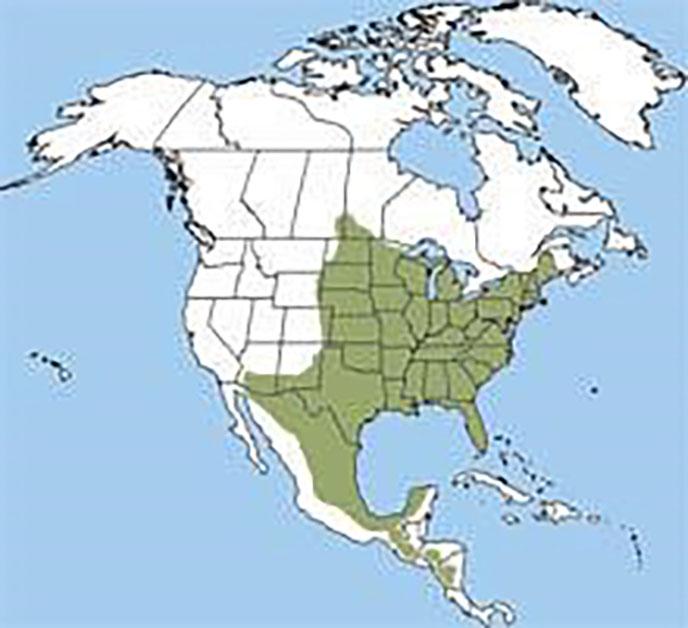
The eastern cottontail rabbit has a wide range. They are very common in gardens across the east coast from Maine to Florida, and as far south as Central America. They have been known to extend as far west as Arizona and as far north as southern Canada. They prefer to live on the edge of forests where they have some protection from predators. They often stick to 10 or less acres their whole lives (New Hampshire Public Broadcasting Service, n.d).
Biology
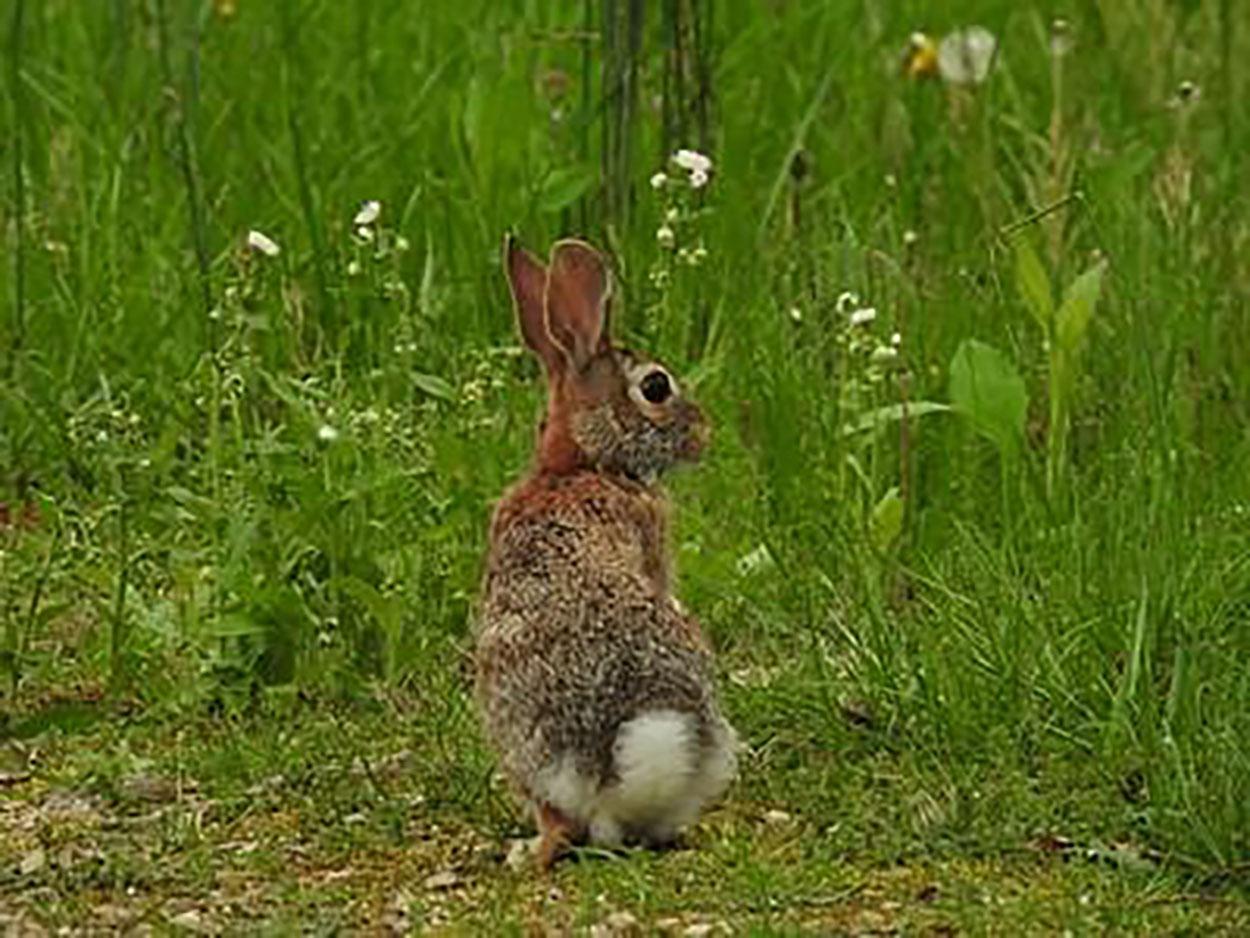

Eastern Cottontail rabbits are small. On average they are no more than 3 lbs. At 15-18” long, the females are slightly bigger than the males. They have an agouti patterned coat, which appears as a speckled gray-brown with some black specks mixed in as well. Typically, they have a reddish color around their nape. They have a white or sometimes a gray white belly, and some have a white blaze on their forehead. Their tails are agouti brown on top but have a white fluffy underside which is what led to the name “cottontail” (Maryland Department of Natural Resources [MD DNR], n.d.).
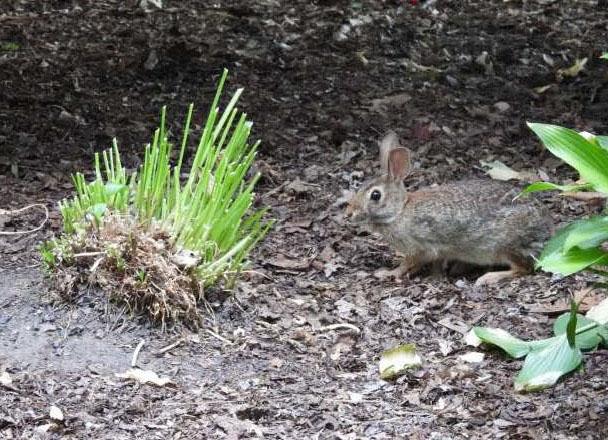
Rabbits are crepuscular, which means you are most likely to see them in your garden at dawn and dusk when they are most active. Rabbits are active throughout the year (Sullivan, 1995). During the summer, you may see them nibbling clover, or you may find their tracks on fresh snow in the winter. Cottontails are solitary animals. As opportunistic creatures, they will reside in burrows excavated by other animals such as groundhogs, instead of digging their own (Varga, 2013).
Rabbits are relatively quiet animals, so identifying them as trespassers in your garden will have to be done by one of your senses other than sound. They do not bark in the night like foxes or sing in the mornings like birds. Instead, they mostly save their audible communications for when they perceive danger. When confronted, they may grunt, lunge, and bite at the source of confrontation. When in imminent danger, such as being picked up by a hawk, they will emit a high-pitched scream (State of Connecticut Wildlife Division, 2016). Thumping a back foot as loud as possible, sometimes in rapid succession, is one way they communicate to other rabbits that danger is near (Varga, 2013).
Rabbits have one stomach and a specialized digestive system. As herbivores, the majority of their diet is high in fiber but low in nutrients. However, they have adapted to digest their food twice through a process called caecotrophy. At night they will excrete cecotropes which resemble dark brown blackberries. They will then eat the cecotropes in an effort to digest their food twice to get as many nutrients from it as they can (Karr-Lilieanthal, 2019). It is very unlikely that you will ever see any of their cecotropes. The final stage of their digestive system is the typical round droppings that look like small dark pellets, usually in small piles, that you may have seen before.
Rabbits may find a wide variety of favorites foods in your garden. These include leafy greens, tender shoots, flowers, and occasionally herbs. They also eat some fruits and vegetables such as berries and carrots (Craven, 2012). However, they tend to pass on juicy tomatoes, cucumbers, squash, and other such plants. If you see bites out of those, it would be wise to check for groundhogs.
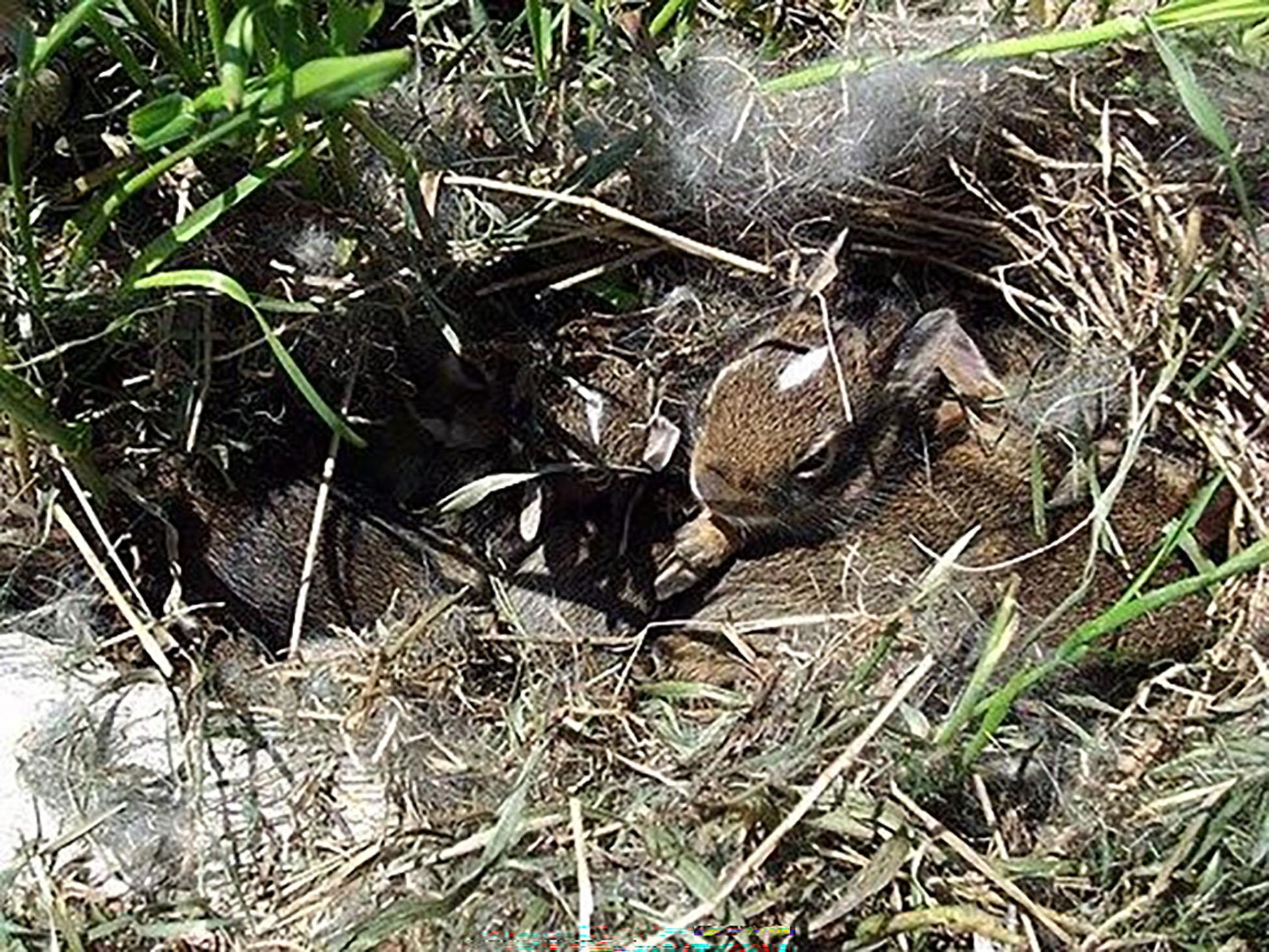
Cottontail nests are easy to miss and are frequently hit by mowers since they are well hidden and often unattended. Female cottontails create a nest by making a shallow depression in the ground and line it with bits of her fur and other soft materials. They breed from February to September and can have up to six litters per year, with each litter containing anywhere from one to nine kits. The female rabbit only visits the nests about twice a day to feed the kits, so it is easy to miss the nest or think that the kits have been abandoned. Chances are they haven’t, and it is usually best to wait and closely observe the nest for the mother before trying to intervene (Public Broadcasting Service, 2020).
Assessing Damage
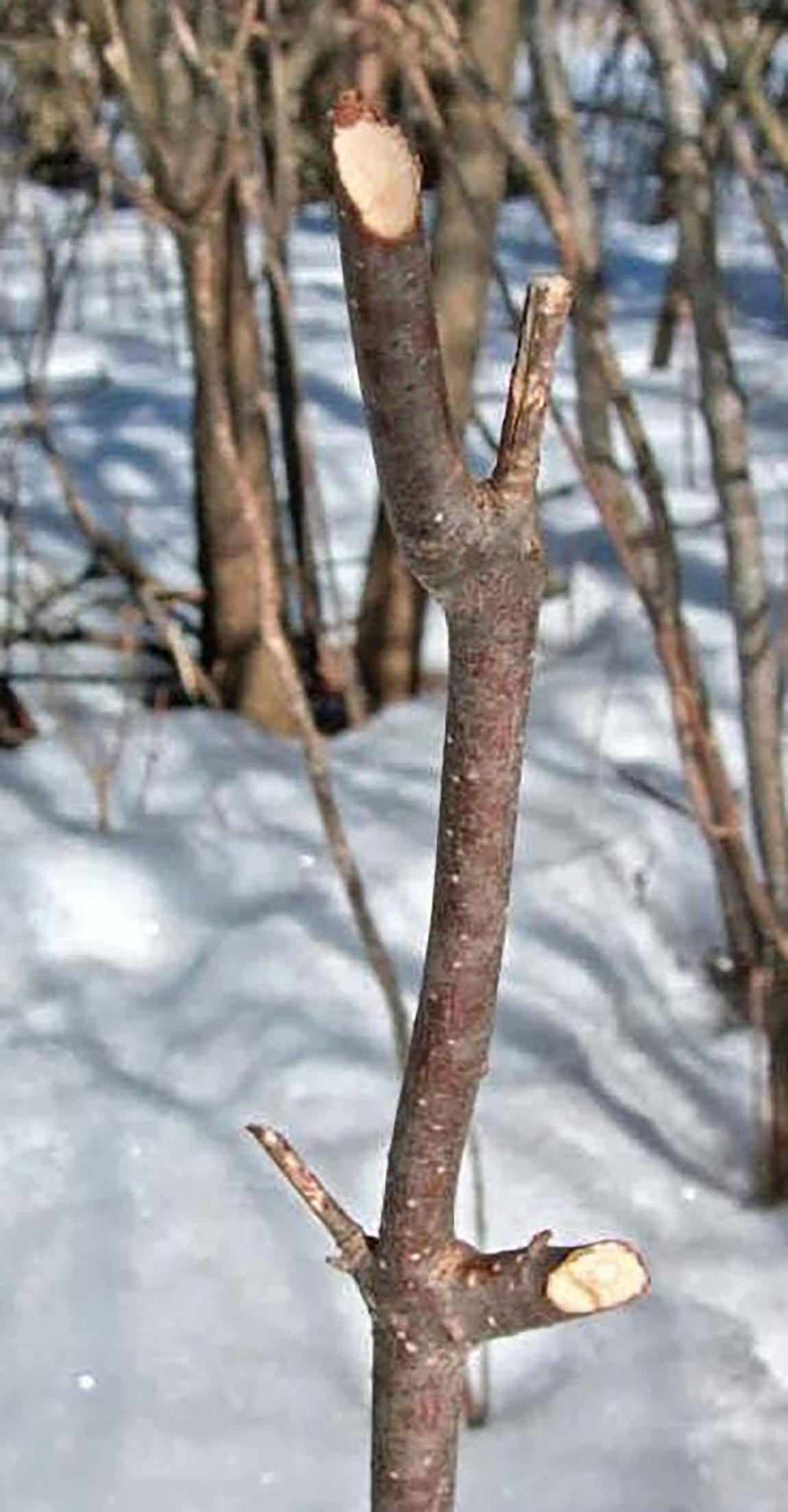
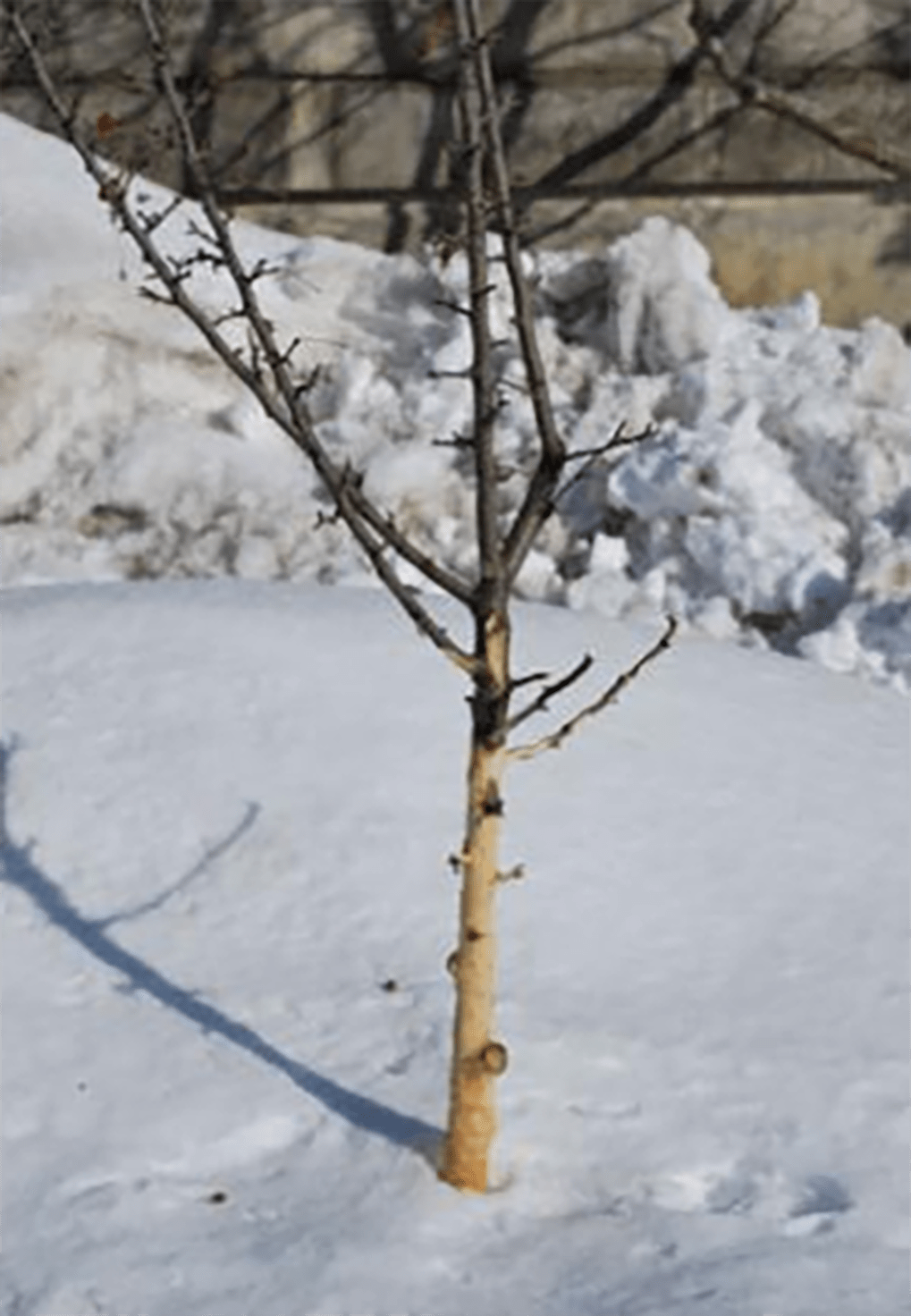
Taking careful note of the damage to your garden will help determine if a rabbit is causing the damage you are seeing. Damage from a rabbit often includes 45° clean angular cuts that almost look like someone went into your garden with pruners (Vantessal, 2019). Since rabbits are relatively small creatures with limited reach, the damage they inflict will typically be less than three feet above the ground. In the winter, they can stand on the snow and chew bark a little higher up the tree, so damage may be about three feet high plus however much snow is on the ground (Steil, 2023). They will often eat leafy greens right down to the ground; the greens will have those typical angular cuts on them. Contrast these impacts with damage from deer; because deer lack front teeth, they tear browsed vegetation, leaving torn edges. In the winter, similar to deer, rabbits will chew on woody vegetation, tree buds, and bark, to try to get some nutrients. They are just trying to eat whatever is available (Brittingham, 2007).

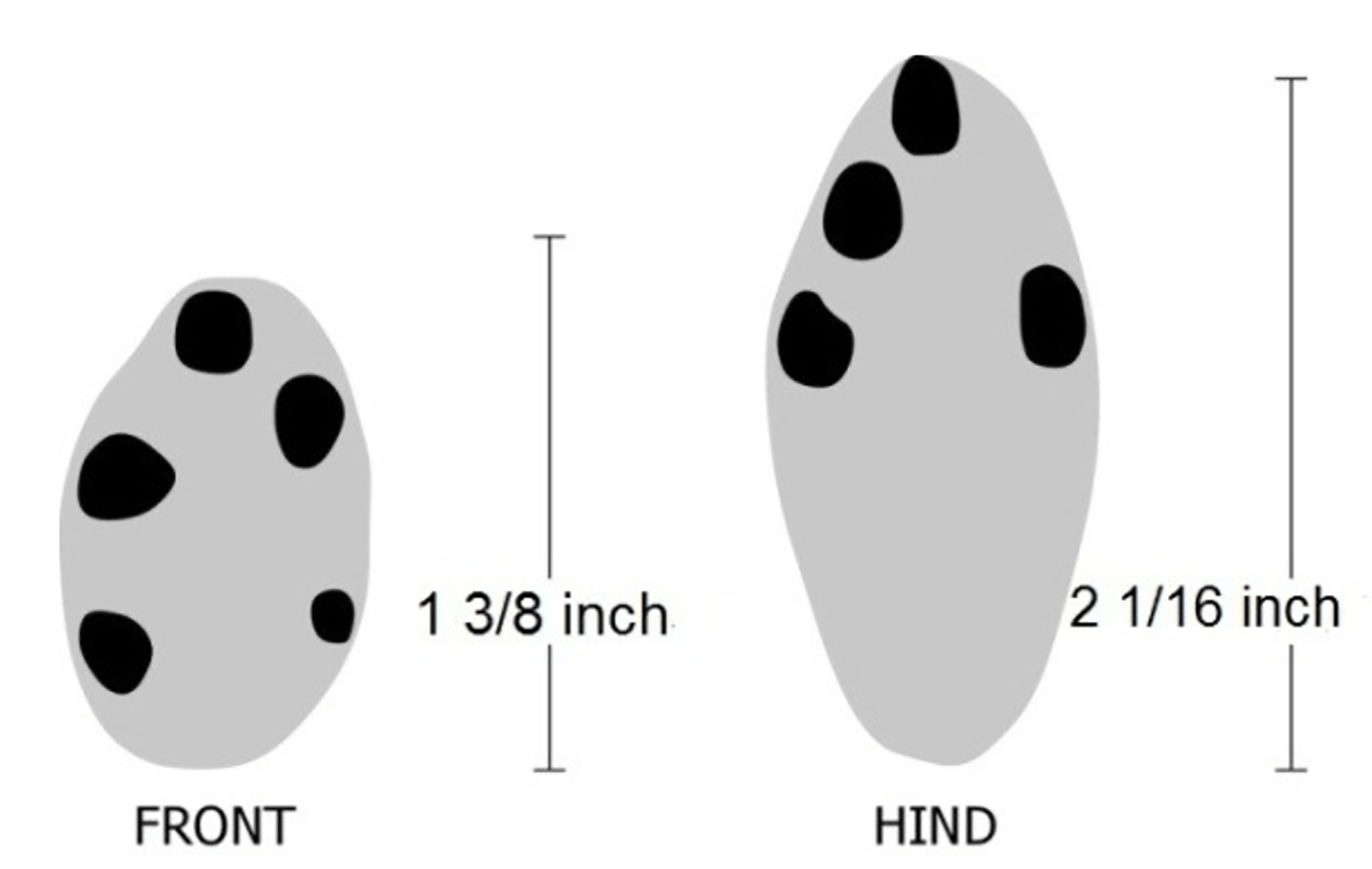
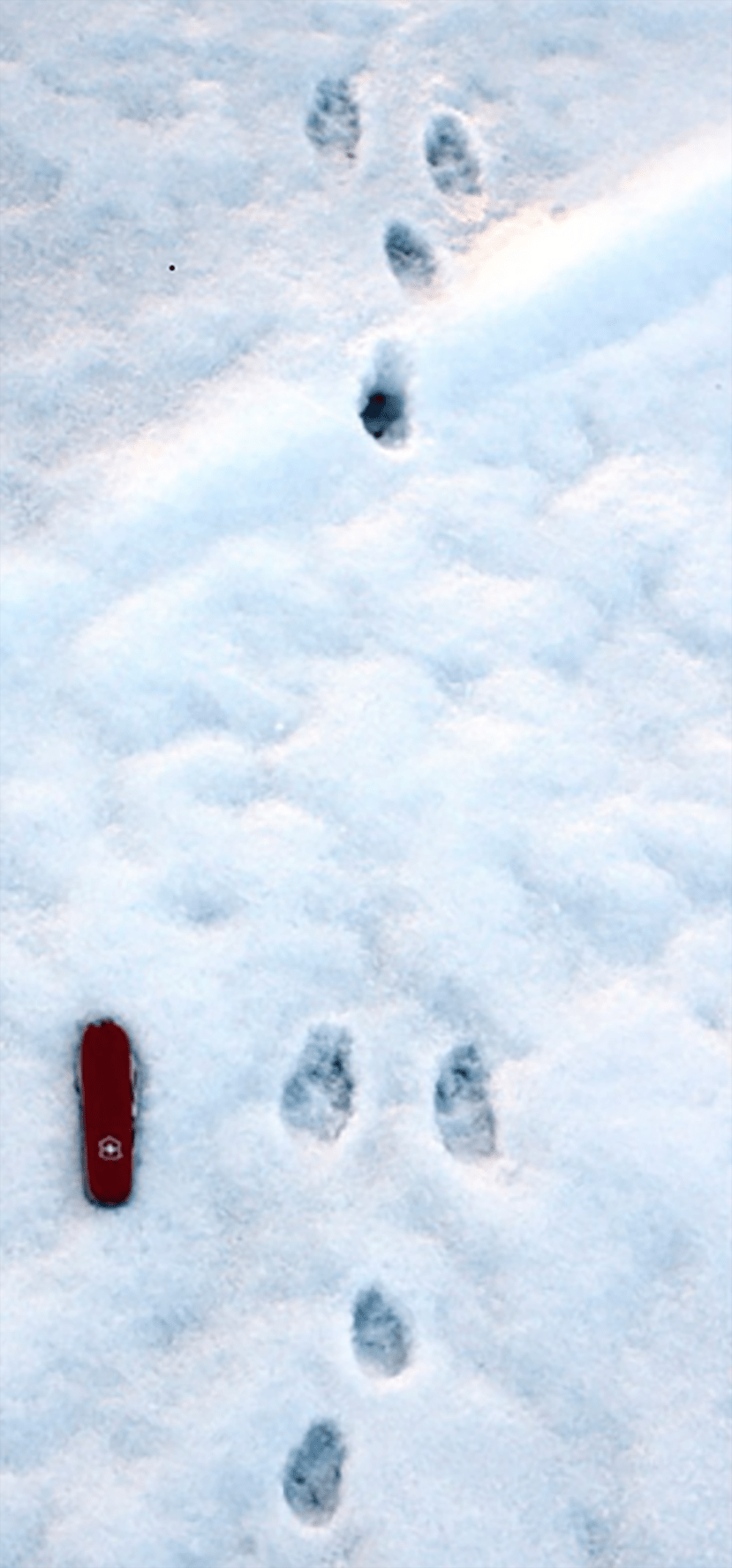
Rabbits may also leave footprints in your garden. Their prints consist of two small paw prints behind two larger ones. Even though the larger ones appear in the front of the tracks, these are from rabbits’ back paws. The smaller ones in the back are from their front paws. This is because of the way they hop. If it is a good print, you may be able to see impressions of their toes within the prints, though it is more likely you will see claw marks (BioKIDS, n.d.).
Another tell-tale sign that there have been rabbits in your garden is their droppings. They are usually in a pile, but sometimes may be in a line. They are usually round and can resemble a Cocoa Puff cereal. They are hard, dark brown, and filled with undigested fibrous materials (Krempels, n.d.). Locating those final results of their digestive system are a very good sign that rabbits are visiting your garden (Krempels, n.d.).
Management
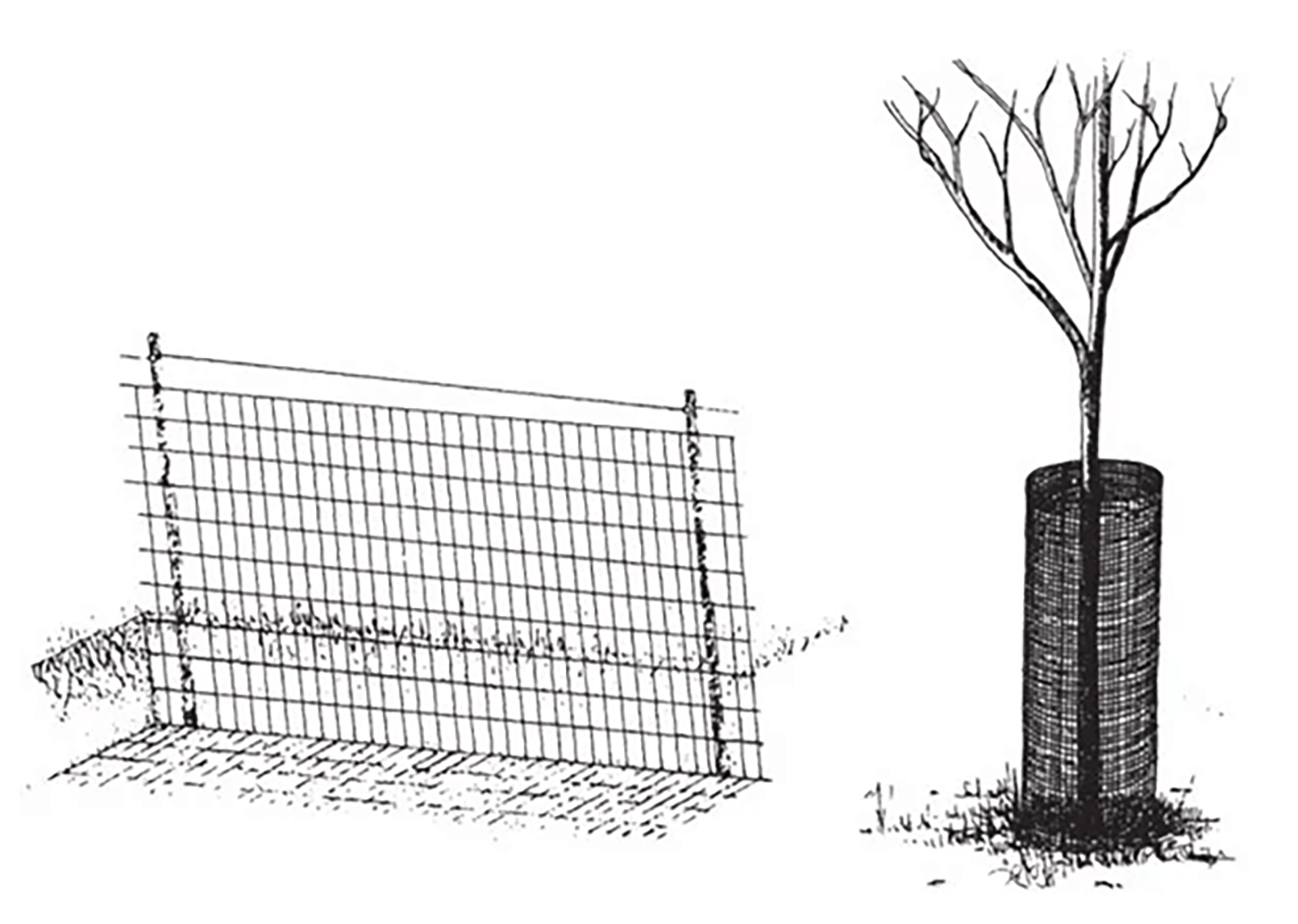
Management can vary based on the potential risk of damage caused by rabbits in the garden. Discovering the presence of a few rabbits and their minimal damage is not a cause for concern and rarely requires action. However, if the damage is significant, exclusion methods are the most effective management technique when dealing with rabbits. A small 3-4-foot-tall chicken wire fence with 1-inch holes around your garden works wonders at protecting your valued plants. You will want to bury at least six inches of the fence six inches deep and pointing away at a 90 degree angle, so that the rabbits cannot dig beneath it. Installing a fence is a relatively small investment considering how much time and money it will save in the long run (University of California Agriculture and Natural Resources, 2016).
Another exclusion method involves installing a small net, wire mesh, or some form of commercial tree guard around the base of your plants. You will want to put the protection about 1 to 2 inches away from the tree trunk and ensure that it is at least 3 feet high (Brittingham, 2007). Check with your local garden center to see what they offer. Additionally, consider relocating your herbs and other rabbit preferred greens to containers and moving them out of their reach of rabbits, such as on your deck. You may want to put a small fence, such as a child gate, on any steps leading to where you stash your containers.
Chemical repellents can work but have limitations. They can be costly, must be frequently reapplied,and may not be effective in every situation. Some repellents deter by taste and others by smell. Repellents are classified and regulated as pesticides. Consumers are legally obligated to read and follow the label when using pesticides. Many local garden centers have a variety of repellent options. If using repellents in a vegetable garden, be sure to follow the instructions on the label about application and harvest to be safe.
Habitat modifications are also effective at reducing rabbit populations in landscapes. Rabbits typically prefer to hide in brush at the edge of forests. Removing excess vegetation where rabbits take shelter is a good way to limit their populations nearby (Brittingham, 2007). Planting gardens far away from the forest edge is also a good way to reduce damage from rabbits to gardens (Missouri Botanical Garden, n.d.). Planting some plants that rabbits do not like, such as the ones in the table below and many others, is also an effective means of habitat modification (Penn State Extension, n.d.). It is important to note that no plant is totally rabbit proof. Depending on the availability of other food sources, some of the plants in the table may be eaten if the animals are lacking other options. You could also try to encourage rabbit’s natural predators such as hawks, owls, foxes, and coyotes through various habitat modifications (Brittingham, 2007).
| Scientific name | Common name |
|---|---|
| Rudbeckia hirta | Black eyed Susan |
| Gaillardia pulchella | Indian blanket |
| Achillea millefolium | Common yarrow |
| Coreopsis sp | Tickseed |
| Narcissus sp | Daffodil |
| Aquilegia canadensis | Red columbine |
| Dicentra eximia | Bleeding heart |
| Polygonatum biflorum | Smooth Solomon’s seal |
| Solidago sp | Goldenrod |
| Ilex opaca | American holly |
| Kalmia latifolia | Mountain laurel |
| Cercis canadensis | Eastern redbud |
| Viburnum sp. | Viburnum |
| Asparagus | Asparagus |
Lethal methods such as trapping and shooting are rarely effective for controlling rabbit populations as they are such prolific breeders, it will not do much good (Brittingham, 2007). Poisoning rabbits is illegal in Maryland and could cause harm to other animals. For questions about trapping, Maryland residents must obtain the current regulations from the Maryland Department of Natural Resources (DNR) office at 1-877-463-6497 or https://dnr.maryland.gov/wildlife/Documents/wdco_regs.pdf.
Cottontail rabbits are classified as small game animals with a hunting season in Maryland. The DNR will provide the most current information. Additionally, if you find a sick, injured, or truly orphaned cottontail and you would like to help, check the DNR website for their list of Licensed Wildlife Rehabilitators in your county. It is not permissible for an unlicensed citizen to attempt to rehabilitate a wild animal on their own.
In Closing
If you are still struggling to identify whether the damage in your garden or landscape is due to your eastern cottontail neighbors or other wildlife, consider taking pictures and bringing them to a local Master Gardener plant clinic or submit your question and pictures to the free online Ask Extension service (https://extension.umd.edu/programs/environment-natural-resources/program-areas/home-and-garden-information-center/ask-extension). They will help you figure out what is causing damage in your garden and how to improve the situation.
References
- Beers, H. (2017). Brush Up On Dental Problems in Pet Rabbits. University of Illinois Urbana-Champaign College of Veterinary Medicine. https://vetmed.illinois.edu/pet-health-columns/dental-problems-pet-rabbits/#:~:text=A%20diet%20of%20grass%20and,of%20their%20coarse%2C%20fibrous%20food.
- BioKIDS, n.d. Larger, Toes Not Distinct. https://biokids.umich.edu/guides/tracks_and_sign/tracks_key/tracks_mammal/tracks_m_set6/
- British Columbia Society for the Prevention of Cruelty to Animals [BCSPCA], What’s the difference between wild cottontail rabbits and feral rabbits? n.d. https://spca.bc.ca/faqs/wild-rabbit-feral-rabbit/
- Brittingham, M. C., (2007). Cottontail Rabbits. Penn State Extension. https://extension.psu.edu/cottontail-rabbits
- Craven, S., & Drake, D. (2012). Rabbit Ecology & Damage Management. Cooperative Extension of the University of Wisconsin-Extension. https://cdn.shopify.com/s/files/1/0145/8808/4272/files/G3997-004.pdf
- Invasive Species Council of British Columbia. n.d. Eastern cottontail rabbit. https://bcinvasives.ca/invasives/eastern-cottontail-rabbit/#:~:text=About%20This%20Species&text=Eastern%20cottontail%20rabbits%20are%20designated,to%208%20offspring%20per%20litter
- Karr-Lilieanthal, L. (2019). The Digestive System of the Rabbit. Companion Animals Extension. https://companion-animals.extension.org/the-digestive-system-of-the-rabbit/
- Krempels, D., Ph.D. n.d. The Mystery of Rabbit Poop. University of Miami. https://web.as.miami.edu/hare/poop.html#:~:text=Normal%20Intestinal%20Products
- Maryland Department of Natural Resources [DNR]. n.d. Eastern Cottontail (Sylvilagus floridanus). https://dnr.maryland.gov/wildlife/Pages/plants_wildlife/Eastern_Cottontail.aspx
- "National Park Service [NPS], Mount Rainier National Park, n.d. Rabbits, Hares, and Pika. https://www.nps.gov/mora/learn/nature/rabbits.htm.
- Pennyslvania State Extension. n.d. Pike County Master Gardeners. Rabbit-Resistant Garden and Landscape Plants.https://extension.psu.edu/programs/master-gardener/counties/pike/publications/rabbit-resistant-garden-and-landscape-plants
- Public Broadcasting Service [PBS] (2020). Rabbit Fact Sheet. https://www.pbs.org/wnet/nature/blog/rabbit-fact-sheet/
- Missouri Botanical Garden. n.d. Rabbits. https://www.missouribotanicalgarden.org/gardens-gardening/your-garden/help-for-the-home-gardener/advice-tips-resources/insects-pests-and-problems/animals/rabbits
- State of Connecticut Wildlife Division. (2016). Cottontail Rabbits. https://portal.ct.gov/-/media/DEEP/wildlife/pdf_files/outreach/fact_sheets/ctntailpdf.pdf
- Steil, A. (2023). How To Protect Trees And Shrubs From Animal Damage Over Winter. Iowa State University Extension and Outreach. https://yardandgarden.extension.iastate.edu/how-to/how-protect-trees-and-shrubs-animal-damage-over-winter
- Sullivan, J. (1995). Wildlife Species: Sylvilagus floridanus. https://www.fs.usda.gov/database/feis/animals/mammal/syfl/all.html
- University of California Agriculture and Natural Resources [UCANR] (2016). Rabbits. https://ipm.ucanr.edu/agriculture/pistachio/rabbits/
- Vantessal, S. M., Hygonstrom, S. E., & Lusk, J. J. (2019). Managing Rabbit Damage. NebGuide: University of Nebraska-Lincoln Extension, Institute of Agriculture and Natural Resources. https://extensionpubs.unl.edu/publication/g2019/2010/pdf/view/g2019-2010.pdf
- Varga, M., ed. (2013). Textbook of Rabbit Medicine (Second Edition). Butterworth-Heinemann. https://doi.org/10.1016/C2011-0-05821-0
MARIAH DEAN
This publication, Eastern Cottontail Rabbits in Gardens Home Landscapes (FS- 2024-0703), is a part of a collection produced by the University of Maryland Extension within the College of Agriculture and Natural Resources.
The information presented has met UME peer-review standards, including internal and external technical review. For help accessing this or any UME publication contact: itaccessibility@umd.edu
For more information on this and other topics, visit the University of Maryland Extension website at extension.umd.edu
University programs, activities, and facilities are available to all without regard to race, color, sex, gender identity or expression, sexual orientation, marital status, age, national origin, political affiliation, physical or mental disability, religion, protected veteran status, genetic information, personal appearance, or any other legally protected class.
When citing this publication, please use the suggested format:
Dean, M. (2025). Eastern Cottontail Rabbits in Gardens Home Landscapes (FS-2024-0703). University of Maryland Extension. go.umd.edu/FS-2024-0703