
Managing Heat Stress in Grazing Animals
The temperatures in much of Maryland have been particularly hot in recent weeks, a compelling reminder that managing heat stress is crucial for those with livestock. When the amount of heat built up in an animal’s body is greater than the animal’s biological ability to dissipate that heat, this is known as heat stress. This buildup of heat includes both external heat, such as heat from solar radiation, along with internal heat from metabolic processes, which in the case of ruminants also includes the heat generated from microbial fermentation.
In addition to acute health implications, heat stress causes decreased feed efficiency, leading to lower daily gains and overall production losses. Heat stress in breeding stock can also lower fertility, increasing early embryonic loss and impacting semen quality for weeks following the heat stress event. Breed, age, stage of production, and wool/coat length are all major factors in the susceptibility of an animal to heat stress. Cattle, particularly dairy cattle, are the most sensitive of the grazing species to heat stress, and dark-hided animals are particularly sensitive, as their coats absorb higher amounts of solar radiation than lighter animals.
Heat stress can occur in cattle at temperatures as low as 75 degrees Fahrenheit in conditions of high humidity (>85%). The temperature-humidity index (THI), a measure of both the relative heat and humidity of a given environment, is a better predictor of heat stress in an animal than temperature alone. It is a common feature of Maryland summers to have stretches of days or even weeks in which the temperature and relative humidity stay above the threshold of heat stress for cattle, even at night. In these conditions, proper management is essential in maintaining herd health and preventing or minimizing economic losses from heat stress.
Heat Stress Identification
Perhaps the most obvious sign of heat stress in cattle and other grazing species is increased respiratory rate. In severe heat stress cases, animals may also be restless, drool, or pant/breath through their mouths. In sheep, increased respiratory rates may lead to a blood gas imbalance known as respiratory alkalosis. Behavioral changes are also a major indication of heat stress; animals experiencing heat stress tend to spend more time standing to reduce body contact with the hot ground and will spend more time in the shade rather than grazing.
Treatment and Prevention
As the adage goes, an ounce of prevention is worth a pound of cure, and heat stress is no exception to this rule. Regularly tracking weather patterns and determining the risk for heat stress based on the THI can help producers manage their grazing herd effectively in hot weather.
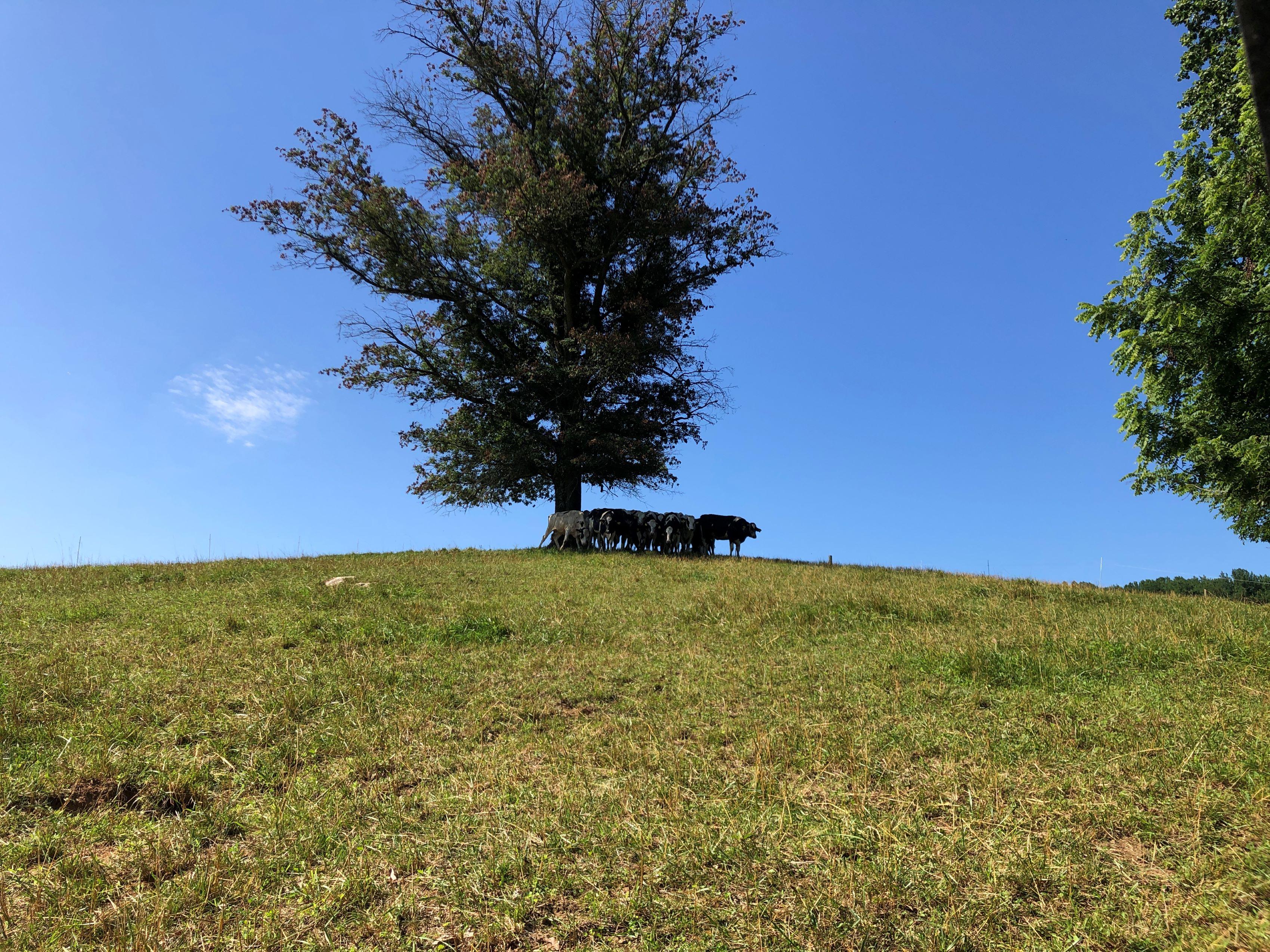
Providing cool, clean water and adequate shade are among the most important measures to take in the prevention of heat stress. Animals may refuse hot water from unshaded or dark water troughs, which absorb heat from the sun, so water should be placed in shaded areas if possible, and water temperature and level should be checked regularly. If there is limited shade available, animals may crowd together, further raising their internal temperatures, so adequate shade for the size of the grazing herd should be provided. Natural shade such as trees can be utilized effectively, although care should be taken that the location of the trees relative to the sun ensures that there is adequate shade during the hottest hours of the day. Permanent or temporary shade structures can also be built and should be constructed and positioned to allow for maximum airflow.
In wool sheep, maintaining a thin layer of wool throughout the summer (at least 1 inch) has an insulating effect and allows for better temperature regulation. Shearing in the spring rather than the heat of the summer allows enough time for a small amount of wool to regrow, providing insulation from the heat during the hot summer months.
Stress and movement increase internal body temperatures, so handling and transporting animals should only be done in the morning before temperatures have risen for the day, or should be avoided completely whenever possible during severe hot spells. Planning ahead to avoid having to move or transport animals during hot weather is essential for minimizing additional heat stress for livestock.
Once livestock are in a severe state of heat stress, it may be too late to do much to help them. Interventions that cause animals to cool extremely rapidly may cause additional distress and could have disastrous consequences. Having a solid management plan in place to address heat stress before it occurs could pay big dividends in the form of maintained animal performance during periods of heat and in avoiding death losses in severe cases.
Further Considerations
If heat stress is routinely a major concern, consideration can be taken to choose breeds which naturally have a higher heat tolerance. Cattle breeds generally considered to be more heat-tolerant include Brahman, Brangus (Brahman/Angus cross), St. Gertrudis, Senepol, and Beefmaster. In sheep, Katahdin, Dorper, St. Croix, and Barbados Blackbelly are more adapted to hot environments. As a rule, goats are generally more heat tolerant than other grazing species, but breeds that are best for hot environments include Boer, Spanish, and Nubian. Even within a certain breed, individual variability to heat stress is also a consideration. In both production systems with heat-tolerant breeds as well as those with more heat-susceptible animals, heat tolerance of individual animals should be considered in culling decisions. Animals who do not shed properly (when applicable) or do not tolerate heat well should be removed from the breeding pool. Producers may also consider adding genetics from heat-tolerant breeds to improve the heat tolerance of their flock or herd in future generations.
Finally, remember that humans, like livestock, can experience heat stress, and the hot summer months can be dangerous for those working outside for long hours. Be careful during hot weather to hydrate, rest, and take care of yourself, and pay as much attention to your own health as you do to the health of your animals.
Conclusions
Maryland summers pose a major risk for heat stress for grazing livestock, particularly cattle. Heat stress can negatively impact animal health and reproductive performance, leading to major production losses. As relative heat and humidity rise, maintaining adequate shade and water access are key steps in mitigating the risk of heat stress in your grazing animals. Longterm, smart breeding decisions can help increase heat-tolerant genetics and improve the overall health and performance of your herd or flock.