
Key points
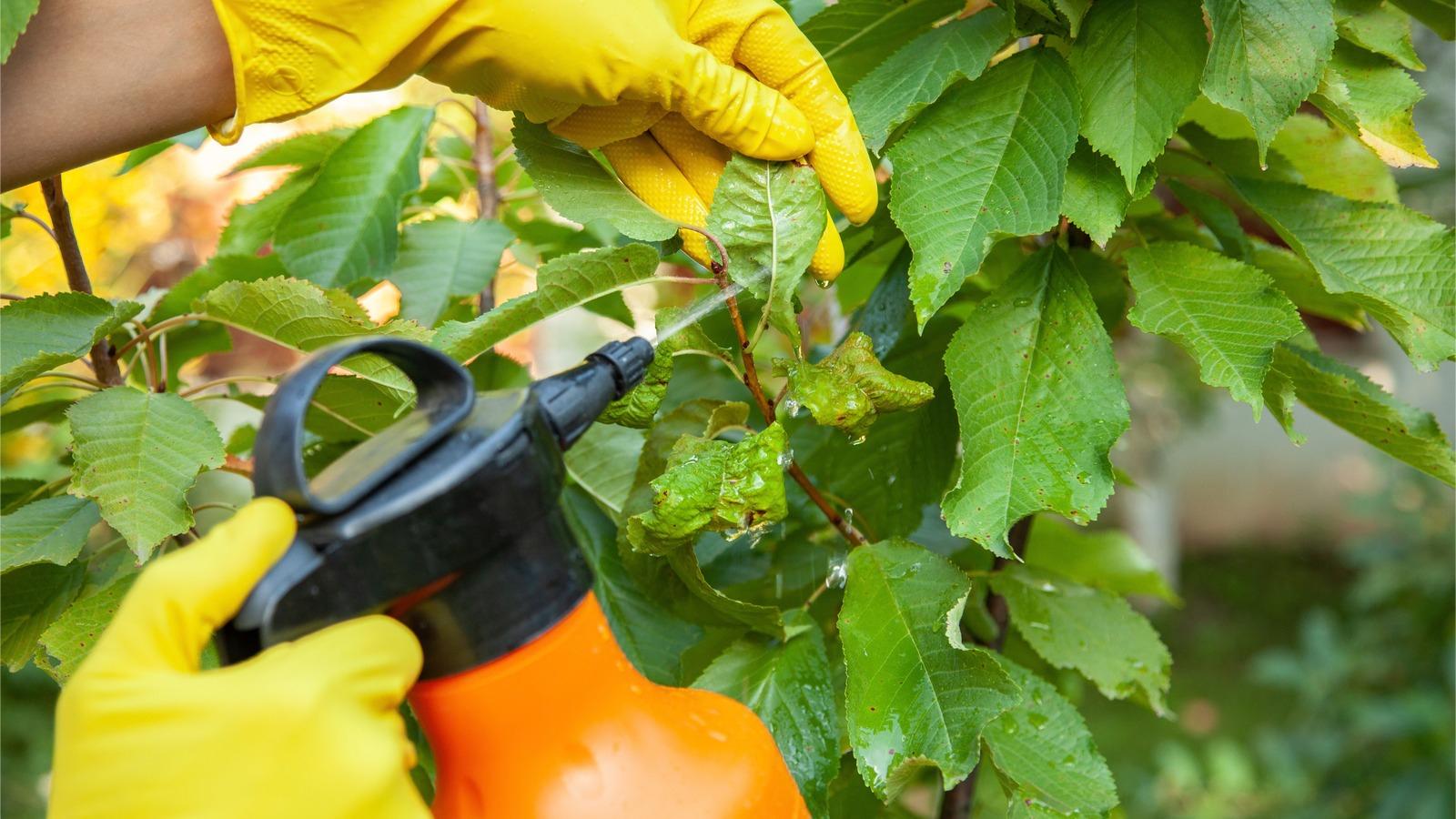
- Horticultural oil is a collective term for a group of oil-based products refined specifically for use on plants. Don’t substitute household cooking oils or other non-gardening oils because impurities from differences in refinement pose a greater risk of plant injury.
- Its primary function is to control soft-bodied insect or mite pests through direct contact with the spray. It has multiple modes of action, such as smothering and repelling. Some horticultural oil products are also labeled as a low-risk fungicide, such as for the suppression of powdery mildew, rust, and sooty mold.
- It is broad-spectrum in action, meaning that any insect contacted by the oil could be affected. Even so, it has a very limited residual activity, which is the length of time that the active ingredient retains its pest-impacting ability. This helps avoid harm to beneficial insects and other organisms.
- It's possible to dilute a bottle of concentrate and apply with a sprayer or use ready-to-spray formulations. The latter option is simpler to use but will be more expensive.
- Check the label for plants with known intolerance for oil sprays.
Active ingredients
Listed as one of the following:
- mineral oil (or paraffinic oil; commonly with a footnote of “contains petroleum distillates”)
- plant-derived oil (soybean, cottonseed, rosemary, neem, etc.); most neem-based horticultural oils will be listed as “clarified hydrophobic extract of neem oil” and will lack azadirachtin
- fish-derived oil (often combined with a plant-based oil, and may be included only as part of the inert ingredients)
Pests managed
Details may vary with the formulation. Generally, labeled for pest mites, thrips, whiteflies, scale (soft and armored), plant bugs, lace bugs, caterpillars (webworms, codling moth, armyworm, hornworm, leafrollers, etc.), and other soft-bodied insects (aphids, adelgids, psyllids, sawfly larvae, leaf beetle larvae, and leafminers). Also, sometimes labeled for the suppression of some fungi (powdery mildew, rust, sooty mold).
Pesticide type
- synthetic or organic, depending on formulation
- contact
- broad-spectrum
Mode of action — how the pesticide works
Horticultural oil has multiple impacts on insects:
- suffocates – blocks breathing pores
- disrupts cell membrane function
- repels – feeding and egg-laying deterrent, altering leaf surface characteristics and leaf “taste”