
Key points about replacing invasive plants
- Invasive plants are not native and harm the environment, economy, and even human health.
- Invasive plants can be controlled long-term by utilizing a combination of control techniques and tools that are specific to their biology.
- Replace invasive plants with competitive native plant species that are appropriate for the soil and growing conditions.
What are invasive plants, and why should they be removed?
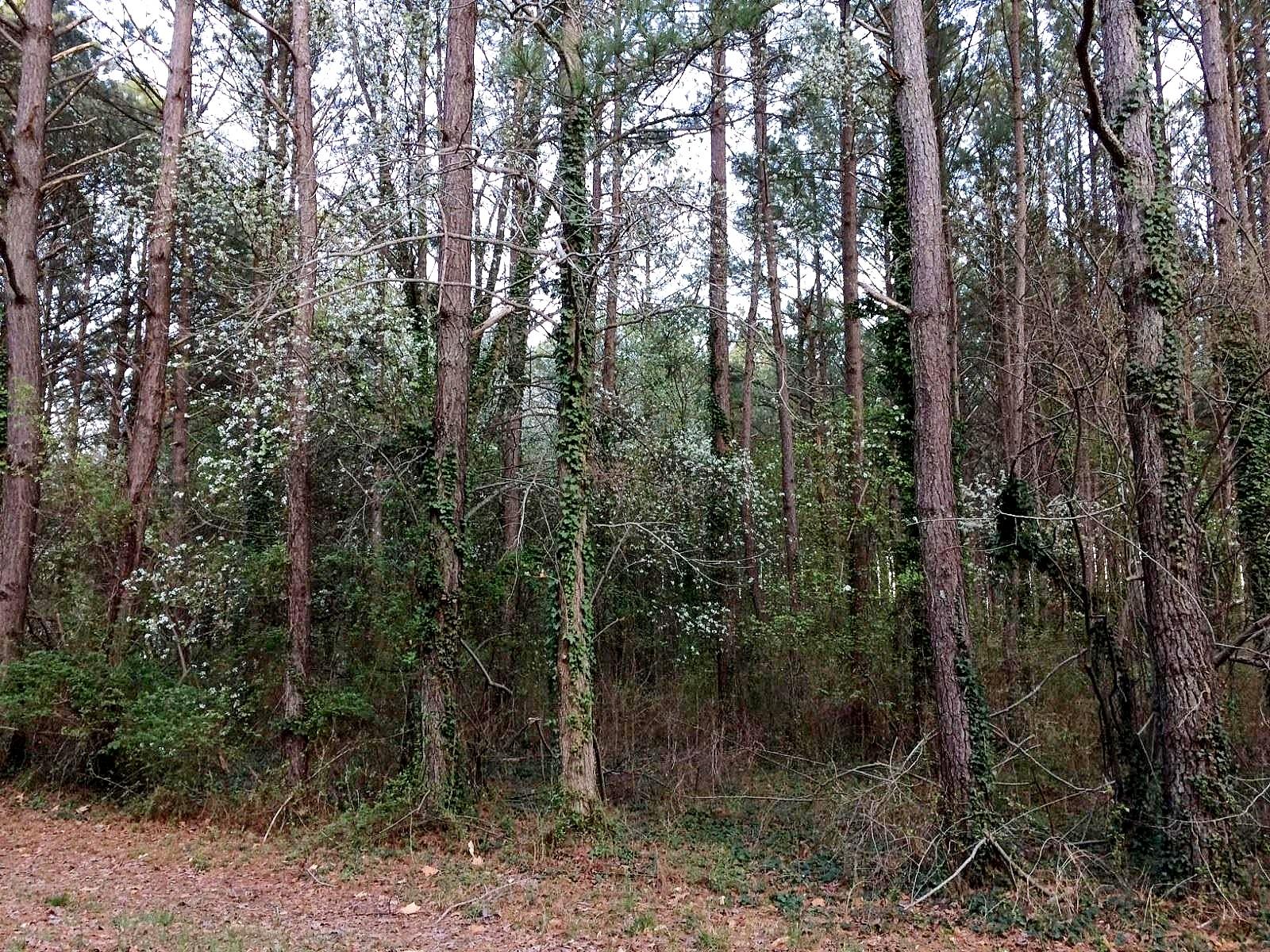
Invasive species are non-native organisms that cause harm to the environment, economy, or human health with damages costing the United States approximately $120 billion every year (Simberloff, 2013). Invasive plants alter the native ecosystem and disrupt biodiversity in forests, meadows, and wetlands. These species have unfair advantages over native plants, especially in human-disturbed habitats. They reproduce aggressively in multiple ways, and at a much faster pace than our indigenous plants.
Why should communities and residents be concerned about invasive plants?
Invasive plants are the greatest threat to our natural environment, other than habitat destruction. Our native environment supports native plant biodiversity crucial for the survival of insect and bird populations and the entire food chain. Invasive plants also cost our national economy billions of dollars annually, devastate agriculture, and diminish the quality of parks, natural, and recreational areas.
- For more information on how invasive plants impact ecosystems, refer to our resource page Introduction to Invasive Plants.
- For information regarding the retail sale of invasive plants, please visit the Maryland Department of Agriculture (MDA) web page Maryland Prohibited Invasive Plant Law and Regulations.
- Visit the Maryland Invasive Species Council website to find a representative list of the Invasive Species of Concern in Maryland.
- For a complete list of species and their degree of concern, consult the Mid-Atlantic Invaders Tool.
The term "native" refers to a plant species that occur naturally in an ecoregion and habitat over the course of evolutionary time. To learn more about native plants, refer to What is a Native Plant?
Controlling invasive plants long-term
Because of the aggressive nature of invasive plants, it is unlikely that one treatment will completely eradicate a population. Unless control methods are used before establishment, it may take months to years of observation and management to suppress new growth of the undesired plants.
Use a methodical approach to management:
- Identify the problem. Proper plant identification is the first step to invasive plant control. Before implementing any methods, consult Ask Extension or contact your local county Extension office.
- Use invasive species resources to learn about common invasive woody and herbaceous plant species in Maryland.
- Early detection and eradication are best when plants are smaller or more manageable. Taking early action will help slow the spread, but any action, any time, can still have a profound impact stopping invasives.
- Learn more about the plant's life cycle and biology. Understanding the biology and growing habits of an invasive plant species will help you create an implementation plan for successful control.
- The publication Plant Invaders of Mid-Atlantic Natural Areas (PDF) provides great guidance for how to approach control and handle the species in question.
- Recognize your challenges; if a neighbor has English ivy or Callery pear, you’ll want to identify those plants as needing more attention for removal. Better yet, convince neighbors to join the effort in eradicating their invasive plants.
- Utilize a variety of control methods and tools to eradicate the plants. A "toolbox" approach that offers a range of control methods can be more successful than one type of removal attempt. Methods can include physical and mechanical removal (such as digging up or cutting down the plant), biological control (recruiting an organism to eat the plant; this is rare), and chemical control (herbicide) as a last resort.
- Common mechanical treatments include repeat mowing or cutting the plants down, pulling up the plant with its roots, smothering the plants with a light-blocking material (like cardboard, newspaper, or wood chips), or livestock grazing (goats, for example). Mechanical removal is recommended for small spaces.
- Chemical control (using herbicide) can include different application methods: cut-stump, “hack-and-squirt”, basal bark, and foliar treatments. Which treatment options work best (and when they should be used) will depend on the plant species, so it is important to understand the plant’s biology and growth habit. It is highly recommended to use the Plant Invaders of Mid-Atlantic Natural Areas publication as a guiding resource, or HGIC resources:
- Replace the area with competitive plantings. Once cleared of invasives, replant the area with native plantings as soon as possible. Otherwise, exposed or disturbed areas can easily be taken over again by the invasive species you have worked so hard to remove. Here are some ideas and recommendations to consider:
- If the space is small enough, you may choose to remove all undesirable plants at one time.
- With larger spaces or wood lots, you may opt to address the area in manageable sections or prioritize particular spaces for removal efforts. For example, a person may choose to remove Japanese barberry from the existing landscape to replace it with a native alternative, such as Virginia sweetspire.
- Even without funds to purchase replacement plantings, small efforts to control invasive plants can have a big impact. For example, cutting out a 12-inch section of the main stem of an English ivy vine that is growing up the trunk of a large landscape tree. For better efficacy in that scenario, paint the surface of the fresh-cut ivy stem with glyphosate or another herbicide approved for woody vine control.
- Refer to the following table of Recommended Native Plants for specific species to consider planting.
- Continue to monitor the area and take more action as needed. Even after initial removal efforts, keep observing and suppressing invasive plant growth as it returns. Monitor the area as you replant, and spot-treat any hard-to-control invasives as necessary. Use different methods of control and treatments depending on the time of year, plant species, and severity of invasion.
Personal protective equipment (PPE) and pesticide use
When used properly and according to the product label, herbicides are a very effective tool in the removal of invasive plant species. Wear proper PPE to protect yourself when applying a pesticide; the required or recommended PPE (chemical-resistant gloves, closed shoes, long sleeves, protective eyewear, etc.) will be outlined in the label directions. It may also be useful to familiarize yourself with information in the resource:
Glyphosate (Roundup®) Information and Alternatives for Weed Management
Replacing invasives with recommended native plants
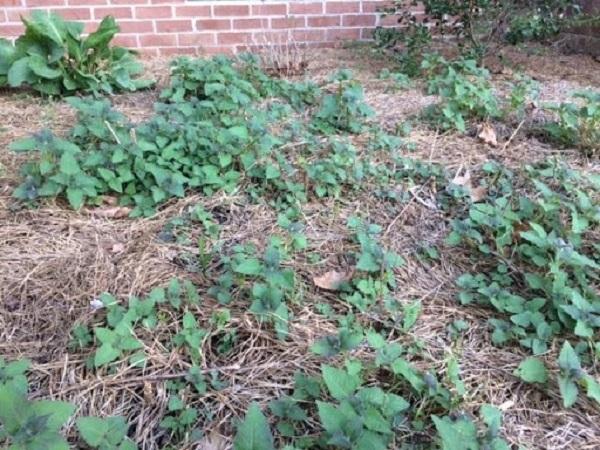
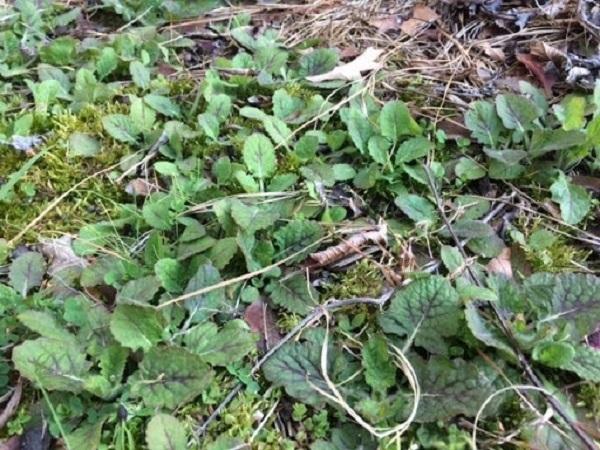
In order to compete with the growing habits of invasive plants, it is recommended you choose native species that can be considered “aggressive”. It is crucial to consider the site's growing conditions and soil type when you choose replacements so they are more likely to thrive.
Can native plants be invasive?
The term “invasive” is used in reference to non-native species that have been introduced to an area. That is why native plants are referred to as “aggressive” instead. Some native species that spread widely or readily are too overwhelming for a small or tidy home landscape, but they may work perfectly in the battlegrounds of disturbed areas prone to being overrun with invasive species.