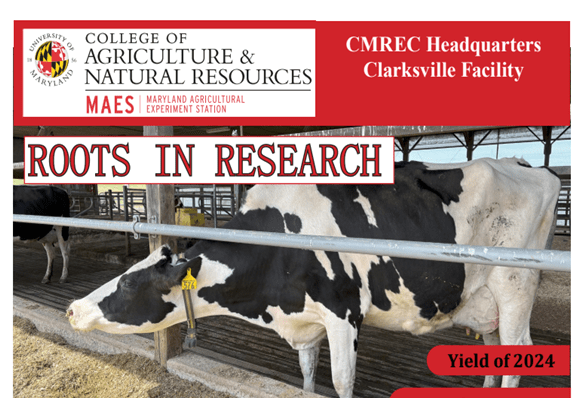
Cows on Clarksville Cover page
Updated: June 12, 2025

Roots in Research Newsletter

CMREC Headquarters - Clarksville Facility - Yield Year 2024

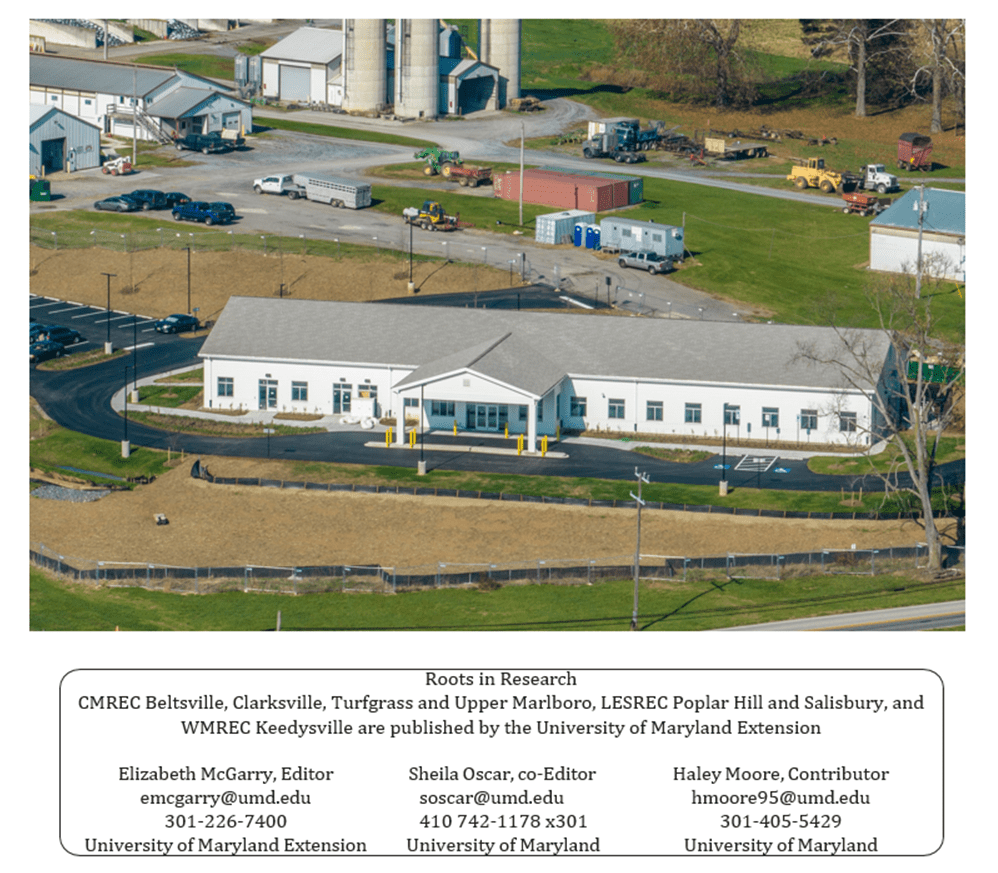
2024 saw significant changes in the landscape at the CMREC- Clarksville facility with the long-awaited opening of the new CMREC Headquarters building. This grand opening has brought our Extension faculty and staff right to the center of the facility, while welcoming new faculty who will develop new programs in urban agriculture and native plants. The new HQ building has a state of the art classroom that will be a real asset for hosting UME classes, workshops, and meetings, and this move has also stimulated new research and demonstration projects in the “organic field.” The new HQ building significantly changes the dynamic of the main farm facility and has brought a lot more visitors to the research dairy. With this new infusion of personnel, ideas, and visitors, this has brought a lot of new excitement to the facility, and we look forward to the continued growth and infusion of new ideas.

QR Code for Clarksville newsletter
Clarksville QR Code

Alan Leslie
MAES Center Director
WMREC | CMREC | LESREC          

To view this newsletter electronically, scan the QR code! 

Download PDF _________________________________________________________________________________________________________________________________________________________________________________________________________

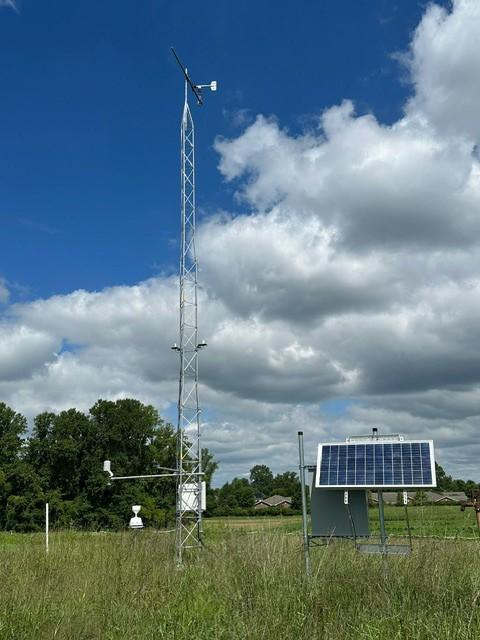
New Mesonet Weather Station at Clarksville

In fact, we have had them installed at each MAES station, except Salisbury and Beltsville. Gone are the days of manually checking the weather!

Weather data for Clarksville are displayed on our website. The information can be displayed by month, or by the year in a printable format. To compare weather data averages by the month or year, check out our website! If your research requires this data in a different format, please contact Sheila Oscar and she will help to get the information you are requesting.

________________________________________________________________________________________________________________________________

Picture of new Headquarters Bldg at Clarksville and editors

____________________________________________________________________________________________________________________________________________________________

Eat Drink and Be Maryland

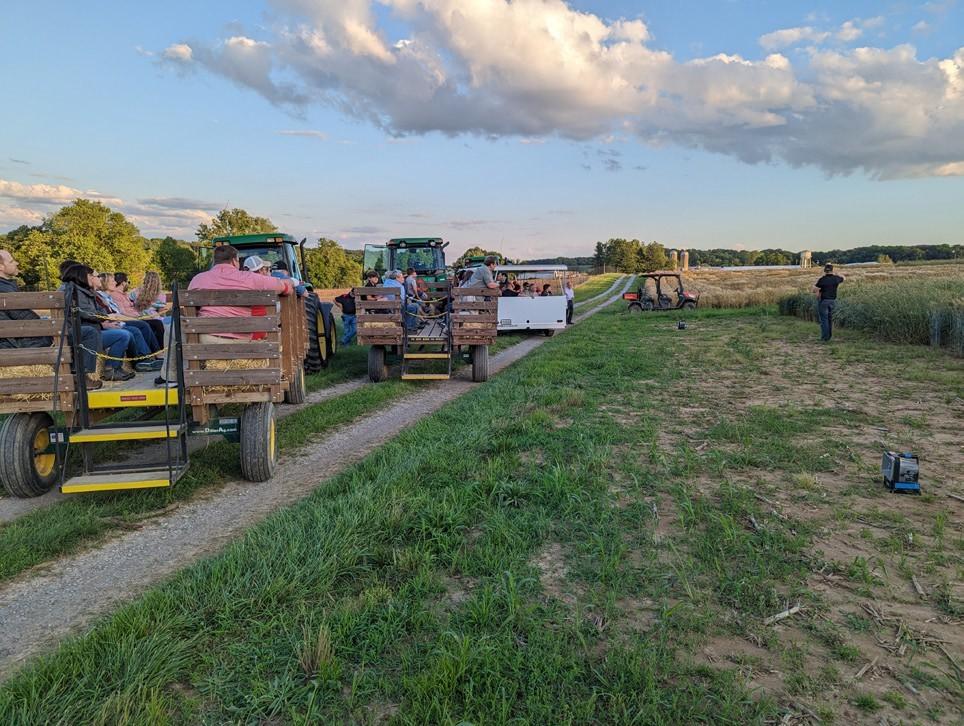
This spring, the Clarksville facility hosted a rustic dinner and farm tour for AGNR Alumni. The event, which

Wagon tour at Clarksville for Eat, Drink, and Be Maryland

was organized by Amanda Clougherty, featured locally produced food, Maryland Dairy ice cream, and a hay wagon tour of the facility. Although we were able to stop by the new CMREC-HQ building and talk about the new features it would bring, the new building was not quite open yet. As a result, this may be the final large event hosted in our cherished AMS building, which has been our longstanding event venue for on-farm meetings, workshops, and gatherings.

The wagon tour highlighted the many different types of research conducted at the Clarksville facility, with an emphasis on our research dairy herd and agronomy programs. Around 80 guests enjoyed beautiful weather for the evening, and we look forward to hosting more AGNR Alumni in the future in the comfort of the new CMREC HQ meeting space.


_________________________________________________________________________________________________________________________________________________________

CMREC-HQ Open House

In December, the new CMREC-HQ building opened its doors to leaders from UMD and state and local government to officially celebrate the arrival of new dynamic teaching resources at the Clarksville facility. The new building was designed to provide flexible classroom space to host AGNR classes and workshops for groups up to 100. State of the art A/V equipment will allow virtual participants to engage seamlessly in hybrid meeting formats, furthering the potential reach of Extension programming. Guests were also able to tour the teaching laboratory, where they were able to see the new resources available to teach Maryland landscape professionals new skills in disease and pest ID and diagnosis. The program included speeches from Dean Beyrouty about the vision and goals of the project; from Provost Rice about the value of Extension education to the mission of UMD; from Secretary Atticks about the strength of collaboration between the MD Department of Agriculture and UMD; and from& Howard County Executive Ball about the value of this investment to the residents of Howard County. The evening showcased the broad diversity of Extension education programs that UMD provides across the state, giving a taste of what MD residents can expect to see happening at the CMREC-HQ building in the future.

Pictures of people at Open House

__________________________________________________________________________________________________________________________________

Efficacy of Non-Synthetic Turf Herbicides 2024

Kelly Nichols, Agriculture Agent

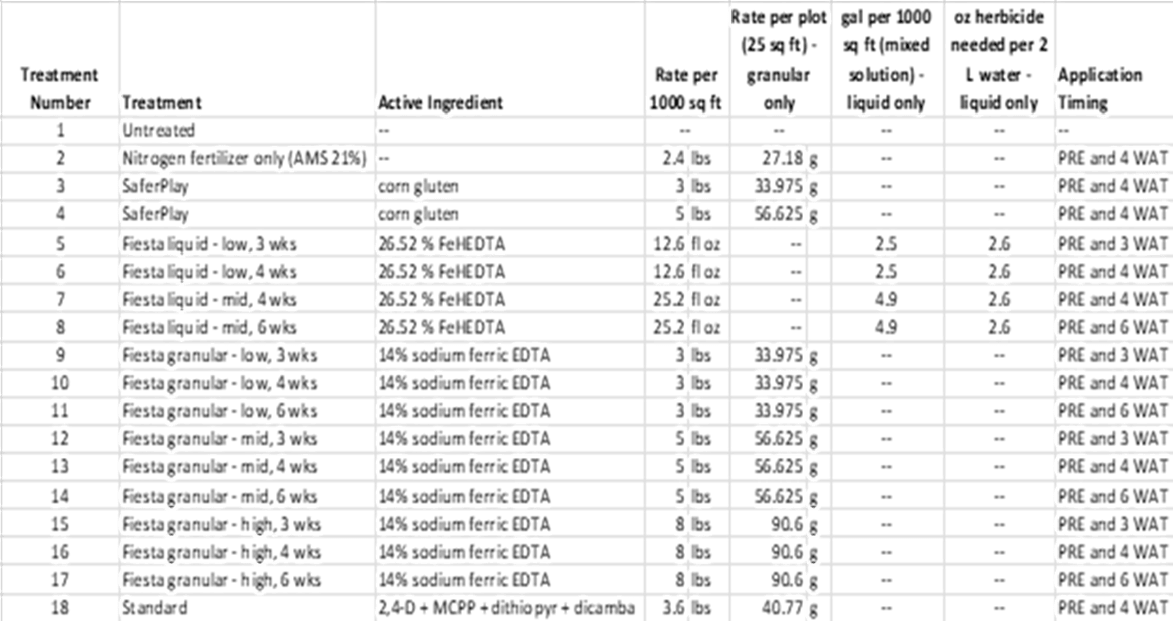
In 2024, a study was conducted to determine the efficacy of crabgrass and clover control using various application rates and intervals of two non-synthetic herbicides. Fifteen non-synthetic treatments, along with one nitrogen fertilizer and one synthetic herbicide treatment were included (Table 1). Treatments were placed in a randomized complete block design with three replications. Individual plots measured five feet by five feet. Applications were made on April 10, May 1, May 8, and May 22. Visual control ratings were taken throughout the study. Plots were irrigated as needed.

Treatment List
Results

Crabgrass
Crabgrass ratings for all plots were taken on June 26. The following treatments provided significantly higher control when compared to the untreated check: nitrogen only; liquid Fiesta, mid-rate, 4-week interval; all three intervals of the granular Fiesta, high rate; and the synthetic herbicide. The rest of the treatments had quite a bit of variability within individual plots, resulting in no significant difference compared to the untreated check. The low rate of the granular Fiesta at the 4- and 6-week interval was not significantly different than the untreated check, indicating that applying the lower rate too far apart does not provide adequate control.

Clover
Clover ratings were taken throughout the season. The end of season ratings were taken on June 5. Eight treatments provided 56-97% control and were statistically different compared to the untreated. The liquid Fiesta treatments, especially the mid rate, provided higher control than most granular Fiesta treatments. The liquid may provide better leaf coverage than the granular.

______________________________________________________________________________________________________________________________________________________________________________

Pilots on the Ground: UMD Researchers Take a Bird’s Eye View Into the Future of Agriculture

By Haley R Moore

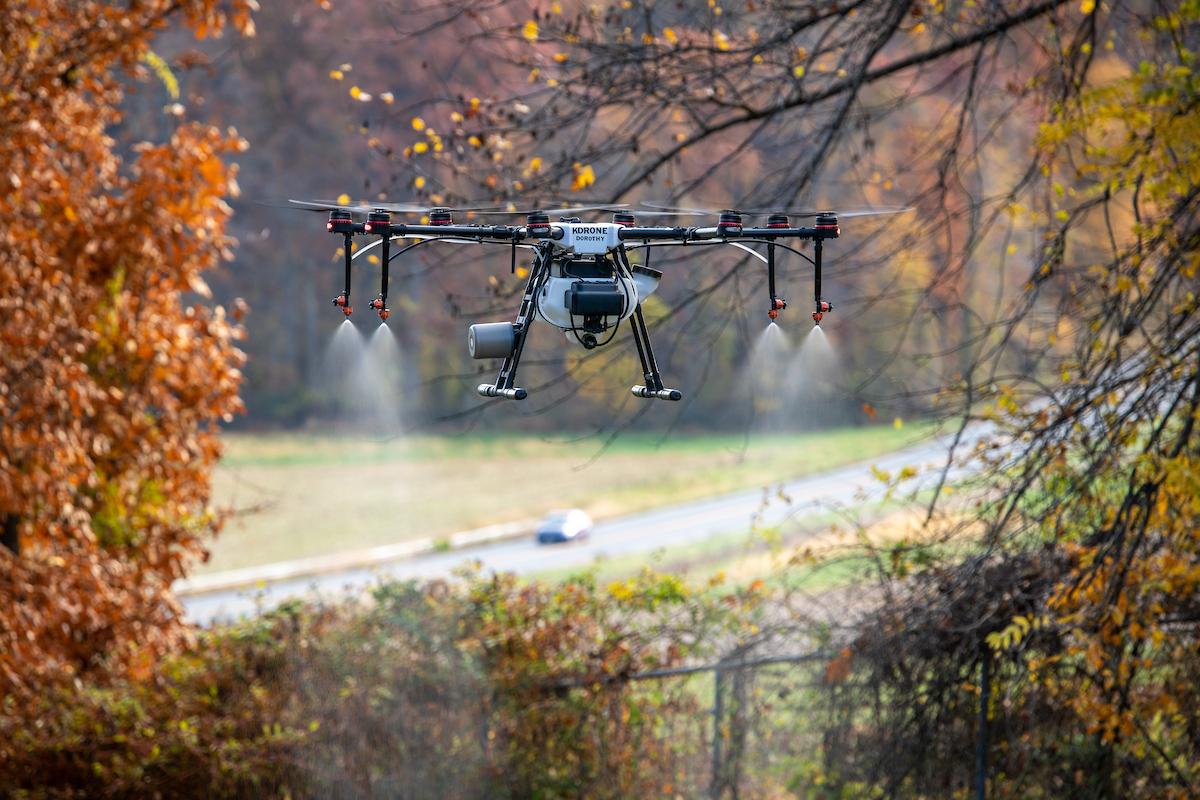
Like many industries, technology is changing agriculture in America. Precision agriculture uses new tech to observe and measure farm field data, and one of the most useful tools is proving to be drones. Researchers at the University of Maryland in the College of Agriculture and Natural Resources and University of Maryland Extension (UME) are using drones to help farmers and growers enhance their integrated pest management plans (IPM), learn about programming, and gather aerial data on crops and wildlife.

Prepare for Takeoff – Part 107
A drone spraying pesticide
Drone Technology

To start building out a future workforce of agriculture professionals equipped with this technology, Tom Mazzone, a lecturer for IAA at UMD, teaches a GPS and Drone Applications course. Students learn to fly drones and prepare for a Federal Aviation Administration (FAA) test called Part 107, which is required for those who want to fly drones for commercial purposes.

Mazzone said that growers also need guided education for taking the test and to understand the software that comes along with being a drone pilot.

“If you don’t have basic programming knowledge, you are going to be lost, and a lot of farmers are going to need an instruction manual or an all-in-one solution for using drone technology,” Mazzone said.

Because College Park falls under the FAA no fly-zone, researchers utilize the Maryland Agricultural Experiment Station (MAES)

Research and Education Centers (RECs) for flights. Mazzone takes his class to the Central Maryland REC (CMREC) Clarksville facility where the drone program was born from the ideas of the late Stanton Gill, a visionary in Extension programming. “Drones have so many applications and possibilities for the commercial horticulture industry in Maryland,” said Gill. “We’re trying to move the industry forward with this technology.”

Aerial Research

Scientists at the RECs are putting drones to work in their research projects to carry out activities like inventory management and assessing water stress in crops.

Andrew Ristvey, Extension specialist in commercial horticulture, helps nurseries and Maryland growers utilize drones as part of their operations.

To measure water stress in a plant using drones, a pilot must select the sensor best suited for their needs. For example, multi-spectral cameras take images with four different wavelengths: red, green, infrared and near infrared. This type of sensor can be used to measure normalized difference vegetation index (NDVI)—a visual indicator for plant health.

Ristvey also utilizes thermal imaging to help with data collection. A thermal imagery drone determines the water stress by looking at transpiration levels on leaves. Read more>>

__________________________________________________________________________________________________________________________________________________________

Abundance of Pea Aphids and Parasitic Wasps in Alfalfa Plots With and Without Glandular Trichomes

Yasmine Helbling, Dr. Bill Lamp

Host plant resistance is the modification of agricultural crops to increase pest resistance. The modifications deter the target pests, but can inadvertently attract other pests in the process. For example, leafhopper resistant alfalfa (Medicago sativa) cultivars possess glandular trichomes, which are little hairs that secrete sticky chemicals. These glandular trichomes deter and therefore reduce damage by the infamous potato leafhopper (Empoasca fabae). In doing so, they have provided pea aphids (Acyrthosiphon pisum) with a hospitable environment to flourish.

Pea Aphids
Aphids

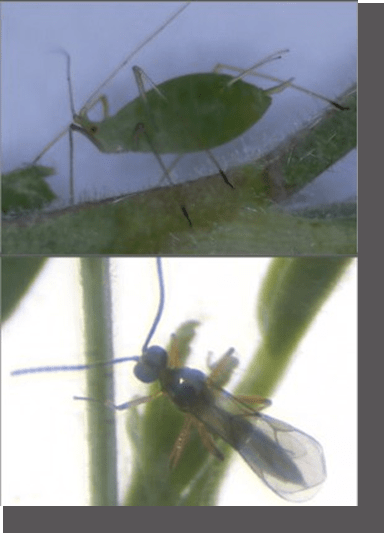
Pea aphids (top left) are considered pests because they consume the phloem of their host's stems and leaves. Pea aphids exude honeydew leaves. Pea aphids exude honeydew as a byproduct of their feeding, which is commonly colonized by sooty mold on the plant after feeding. Infected plants have reduced forage yield and quality. It is believed that the same glandular trichomes that deter the potato leafhopper, also deter parasitoids, thus reducing the likelihood of parasitic wasps reducing pea aphid populations via biocontrol.

Biocontrol is when natural enemies of an undesirable organism reduce that organism’s population via predation, parasitism, or pathogens.Aphideus ervi (bottom right) is a predominant parasitoid of pea aphids that reduces their numbers by depositing eggs into pea aphid nymphs, killing the aphid as they develop. It is suspected that the glandular trichomes, which deter potato leafhoppers, have no effect on pea aphids, but negatively affect their natural enemies, particularly A. ervi, which thereby   allows them to thrive on resistant alfalfa cultivars compared to susceptible cultivars. The objective of this study is to quantify both pea aphid and A. ervi abundance to investigate whether glandular        trichomes deter parasitoids. 

Methods

Plot design
This field experiment was carried out at the Central Maryland Research and Education Center (CMREC) in Clarksville, Maryland. The sampling field is designed as a complete randomized block design consisting of four blocks, each with two plots containing either the resistant (Pioneer 55H96) or susceptible (Pioneer 55V50) cultivar. There are a total of eight 49’ x 49’ plots that comprise the entire field. Read more>> ______________________________________________________________________________________________________________________________________________________________________

2024 Maryland Soybean Fungicide Efficacy Trials

Andrew Kness, Senior Agriculture Extension Agent, University of Maryland Extension akness@umd.edu

JUSTIFICATION

Fungicides are becoming increasingly popular in full season soybean production. These trials provide data that soybean producers can benefit from, such as: fungicide efficacy for managing common fungal diseases of soybean, monitor fungicide resistant pest populations, and track the economic impact of foliar fungicide applications over multiple years and environments unique to Maryland.

RESEARCH OBJECTIVES

  1. Evaluate the efficacy of select foliar fungicides on full season soybeans grown on two research farms in Maryland by measuring foliar disease incidence and severity.
  2. Determine any greening or green stem effects of the fungicides.
  3. Monitor fungicide active ingredient efficacy over time and identify any fungicide insensitive foliar fungal pathogens.
  4. Determine the yield impact of foliar fungicides and their economic impact.

METHODS

Plot Design
Field trials were established at three University of Maryland Research farms: Western Maryland Research & Education Center in Keedysville, MD (WMREC), Wye Research and Education Center in Queenstown, MD (WYE), and Central Maryland Research & Education Center (CMREC). Plots were 11’x30’ arranged in a randomized complete block design with five replicates. Planting details are outlined in Table 1. Plots were established in fields with a previous crop of soybeans to maximize conditions for soybean disease development.

Fertility, insect, and weed management were consistent with University of Maryland Extension recommendations for full-season soybean production.

Project supported by the Maryland Soybean Board   Read more>>

______________________________________________________________________________________________

Soil Quality, Soil Arthropod Diversity, and Ecosystem Service Provisioning Within Forage Systems at CMREC Clarksville

Robert Salerno, Entomology Masters Student, University of Maryland Bill Lamp PhD, Professor, University of Maryland
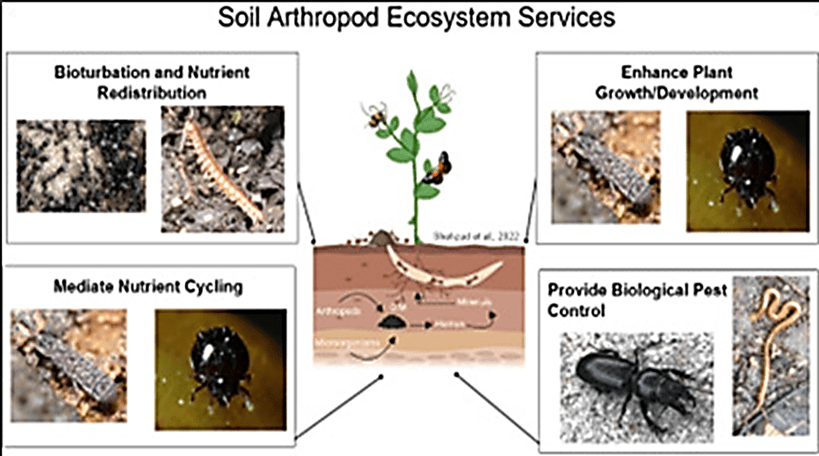
Fig. 1 Common Soil Arthropods
Figure 1. Common soil arthropods and their ecosystem services

Optimal soil fertility and quality are essential to maintain environmental and economic sustainability in agriculture. In the past, the best-known cultivation practices were used by practitioners to meet yield and nutritional demands with little regard for the soil environment. Most agricultural practices alter the soil environment from natural conditions to ones mediated by human disturbance. In general, the communities of organisms that live within the soil are shaped by and able to shape the soil environment. Therefore, it is important to understand how current agricultural systems influence soil quality, soil arthropod biodiversity, and the important ecosystem services that they provide.

Livestock systems are a main target for increasing sustainability because of their land-use footprint throughout the United States. In all, livestock systems utilize approximately 35% (656 million acres) of available land, including pastureland and feed fields, to produce corn silage and alfalfa hay. Implementing ecological 

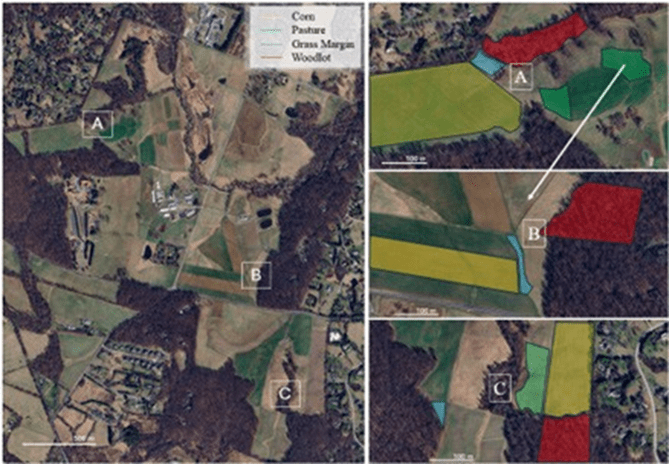
Distribution of sampling at Clarksville
Figure 2. Distribution of sampling block throughout the CMREC Clarksville farm in 2024.

intensification across all lands utilized for livestock production through the efficient and intelligent use of the ecosystem's natural functions (support and regulation) to sustainably produce food, fiber, energy, and ecological services has become a popular ideology in recent decades. 

With this information, our goal was to determine if the inclusion of ecological intensification practices (e.g., increased plant diversity, perenniality, and/or system circularity) within forage systems benefits soil quality, soil arthropod diversity, and their ecosystem services. The objectives of this study were (1) to investigate the impact of ecological intensification practices on the soil quality using the Soil Biological Quality – Arthropod Index, (2) to determine the response of soil arthropod diversity to ecologically intensified and conventional land use types, and (3) to compare the bait removal (decomposition mediated by soil biota) between land use types using the bait-lamina method. This study identified perennial forage pastures as ecologically intensified, while corn-soybean rotation fields planted for corn silage were identified as conventional and “business-as-usual”. We also included grass margins and woodlots surrounding these forage/feed fields  to identify their contribution to soil quality, soil arthropod diversity, and ecosystem service provisioning. Read more>>

________________________________________________________________________________________________________________________________________________________________________________________

2024 Maryland State Soybean Variety Trials

http://www.psla.umd.edu/extension/md-crops

Agronomy Facts No. 32 is Prepared by Dr. Nicole Fiorellino, Mr. Louis Thorne, 
Mr. Gene Hahn, and Ms. Audrey Sultenfuss
Test Procedures

The University of Maryland offers a fee-based, soybean variety performance testing program to local and national seed companies. The results from these replicated trials provide agronomic performance information about soybean varieties tested at four locations in Maryland considered representative of the state's geography and weather conditions Table 1 summarizes the agronomic and production information for each test site.

Varieties tested in 2024 were entered by participating seed companies, listed in Table 3, that were solicited for submission of varieties. These varieties represented those currently available for purchase to experimental lines still under evaluation. Select Pioneer, Agrigold, and Revere varieties were identified for use as checks in the test. The inclusion of the performance data for check or reference varieties that are proven performers in the Mid-Atlantic region allows comparisons of newer varieties to proven varieties. During 2024, 56 varieties were tested using three maturity groups: MG 3 (9 varieties, Table 6), early MG 4 (4.0-4.3, 24 varieties, Table 7), and late MG 4 (>4.4, 22 varieties, Table 8). Check varieties were included in each of the maturity groupings. All genetic traits and seed treatments are listed in Tables 6-8.

Each variety was replicated three times per location. In 2021, we modified a John Deere Maxemerge-2 four-row, 30” spacing, no-till planter, with coulters and trash wheels for use in the variety trials. The modifications included the addition of a single cone planting unit that delivered seed to a spinner powered by a 12v motor to evenly distribute seed to the four planter units. Planting, harvest, and in-season management information is presented in Tables 1 and 2. We aimed for a seeding rate of 6-7 seeds/foot and plot harvest length was approximately 20 feet. Center two rows (~5 ft. swath) were harvested with an Almaco R1 research combine (Almaco Co., Nevada, IA). Grain yield, harvest moisture, and test weight were measured for each plot. These data were collected with a Seed Spector LRX system (Almaco Co., Nevada, IA) and recorded on Microsoft xTablet T1600.

Test Results

The overall performance across the locations for the full season varieties in each maturity group is reported in Tables 12-14 and double crop varieties in Tables 27-29. Variety performance at individual locations can be found in Tables 15-26. The agronomic characteristics reported are yield, in bushels/acre at 13% moisture content and test weight (lb/bu) at 13% moisture. Plot damage at some locations necessitated the removal of outliers, which was performed by location and maturity group. Outliers were determined as two standard deviations above and below the mean for that maturity group. If outlier removal eliminated two of three replicates for any entry, then the entire entry was removal from data analysis. Lodging was estimated by plot at the time of harvest. A least significant difference (LSD) value is reported for each est where statistically significant differences (P ≤ 0.1) for yield was observed among varieties. The mean separation value has been calculated at the 10% probability level (LSD0.1). The LSD can be used to compare two varieties within the same test. For example, when the yield difference between two varieties is greater than the LSD value, there is a 90% certainty that the difference in yield is due to variety performance rather than due to random variability.  Click here to view tables 1 - 29

Relative Yield

The selection of a variety based solely on performance at one location is not recommended. It is better to select variety based upon performance over a number of locations and years, if possible. To compare the performance of each variety across the five locations, relative yield tables (Tables 9-11) are included. Relative yield is the ratio of the yield of a variety at a location to the mean yield of all the varieties at that location expressed in percentage. A variety that has a relative yield consistently greater than 100 across all testing locations is considered to have excellent stability.

Acknowledgments

The University of Maryland Agronomy Program research would not be possible without the assistance and oversight of equipment maintenance, seed packaging, planting, data collection, and plot harvest by faculty research assistant, Louis Thorne. This work could not be accomplished without the assistance of Gene Hahn and Audrey Sultenfuss. Thank you to the crew at Wye Research and Education Center for sharing your experience, tools, and space in your shop with our team as they continue to keep our equipment running.

Tables 1 and 2 outlines the crews at each test location who assisted with land preparation, flagging, plot management, and harvest. I personally would like to acknowledge each farm manager, David Armentrout, John Draper, Ryan McDonald, and Douglas Price for their continued support of the Variety Trials.

Additional Information

The inclusion of varieties in these tests is not an endorsement by the University of Maryland. Advertising statements about a company’s varieties can be made as long as they are accurate statements about the data as published. Statements similar to “See the Maryland Soybean Tests Agronomy Facts No. 32” or “Endorsement or recommendation by the University of Maryland is not implied” must accompany any reproduced information.

Funding for purchase of check varieties provided by Maryland Soybean Board

(Project # 24063120). This work is supported by the Crop Protection and Pest Management program [grant no. 2024-70006-43556/project accession no. 1032889], from the U.S. Department of Agriculture’s National Institute of Food and Agriculture.

Maryland Soybean Board Logo

_________________________________________________________________________________________________________________________________________________________________________________________________________________

 

USDA Notice

_________________________________________________________________________________________________________________________________________________________________________________________

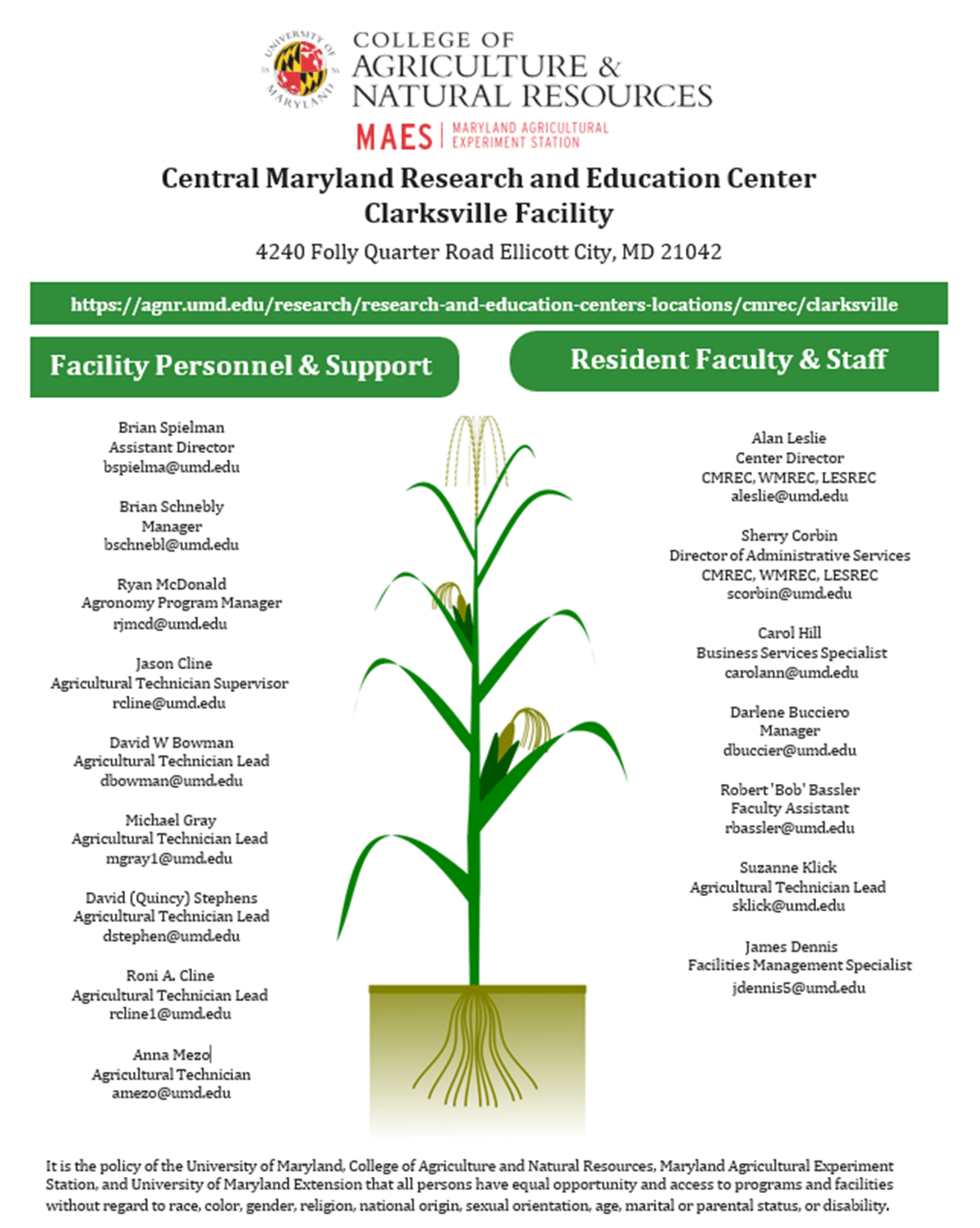
CMREC Clarksville Facility Personnel & Support Staff

_____________________________________________________________________________________________________________________________