

FS-2025-0760 | November 2025
Tips for 4-H Competitive Event Coaches: How to Create Thriving Programs
By Anna Glenn, 4-H Educator, University of Maryland Extension-Frederick County
4-H Competitive Events
4-H competitive events like judging teams, Skillathons, and bowls, are long-standing traditions that allow youth the opportunity to participate in knowledge-based competitions within a project area (e.g., rabbits, livestock, horticulture) in which they are interested. The three major types of 4-H competitive events are outlined below:
Judging Contests
4-H members evaluate and rank animals or plants, then explain their decisions to a judge. Team scores are combined, and top teams may advance to higher levels.
Skillathon Contests
These hands-on contests test broad project knowledge through interactive stations (e.g., breed ID, nutrition, reproduction). Youth answer questions in formats like multiple choice or matching. Individuals are scored, and top performers may form national teams.
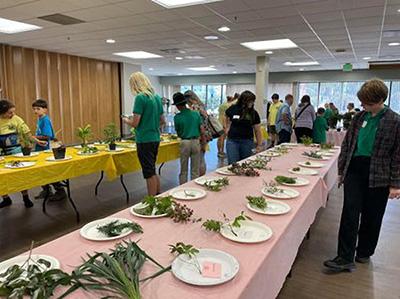
Examples of 4-H Competitive Teams:
- Dairy Bowl
- Hippology Contest
- Horticulture
Quiz Bowls
Modeled after game shows, these fast-paced competitions use buzzers as teams answer questions covering all aspects of their project area. Youth compete and advance as a team.
Every year, thousands of youth from across the country participate in these events on county, state, and national levels. One unique aspect of these competitions is that youth do not need to have an animal or a physical project to exhibit in order to participate, making these competitions accessible to a wider range of youth. Another hallmark of these competitions is that the focus is on evaluating the youth’s knowledge rather than the genetic makeup or presentation of an animal.
The 4-H Thriving Model
The “4-H Thriving Model” is the theory of change for positive youth development in 4-H. A “theory of change” is a method that explains how a specific intervention can lead to positive long-term outcomes. The 4-H Thriving Model, a model informed by scientific research in youth development, predicts that youth who participate in 4-H programs that provide a high-quality developmental context will thrive, and thriving youth achieve key developmental outcomes (Arnold, 2020). The 4-H Thriving Model is graphically represented by a flower in which the soil represents the developmental context, the stem represents early indicators of youth thriving, the leaves indicate developmental outcomes, and the flower represents long-term outcomes. This model has significant applicability to competitive teams and events such as Judging and Skillathons. 4-H Educators and 4-H Volunteers alike can use this model to help shape and evaluate their programs to ensure that they are utilizing key positive youth development practices and ensuring expected outcomes.
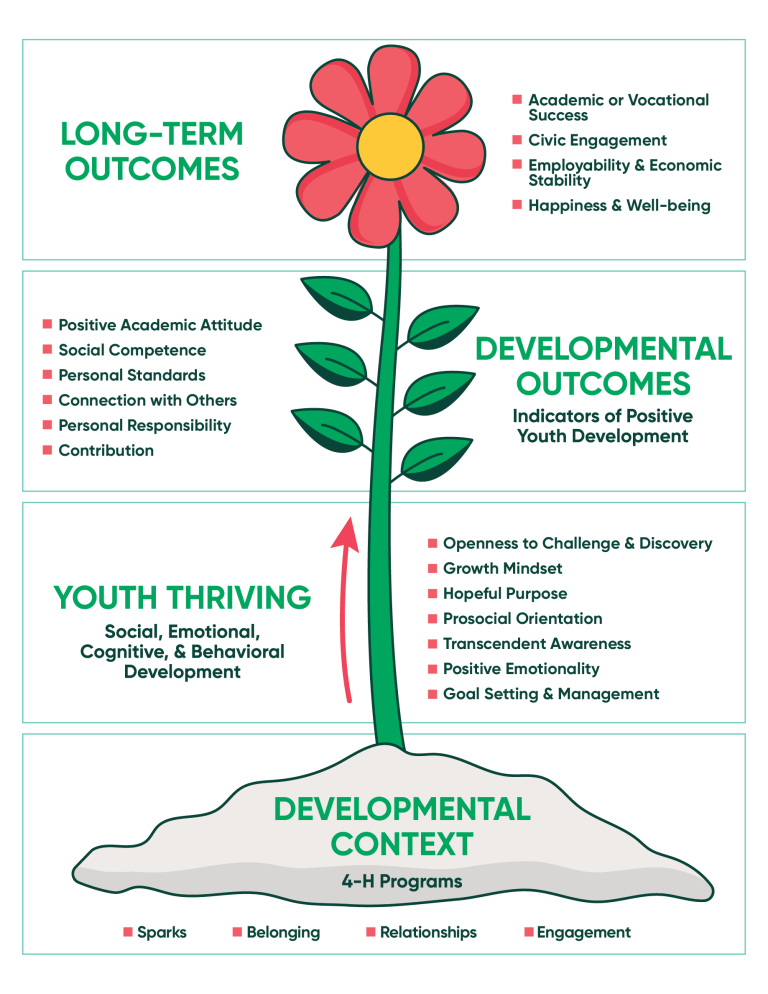
The 4-H Thriving Model and 4-H Competitive Team Events
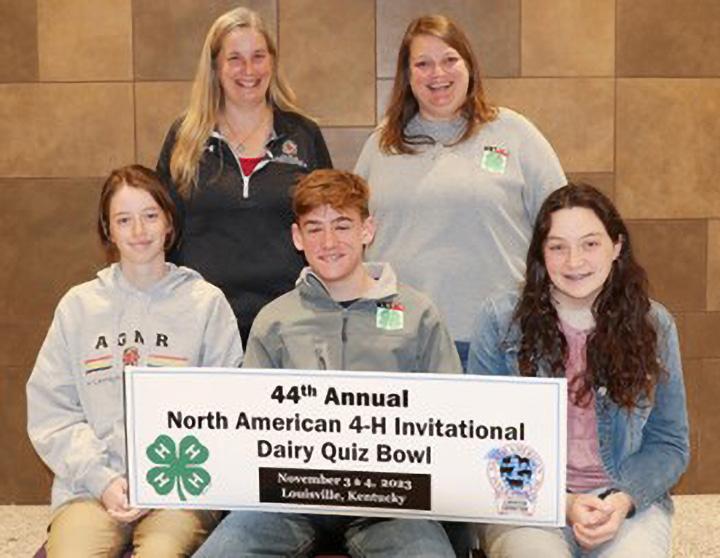
4-H coaches play a vital role in shaping the livesof the youth they mentor. Over the course of a season, coaches may spend anywhere from 10 to50 hours preparing 4-Hers for competition. In some cases, this may be more time than a club leader spends with a 4-Her in an entire year (based on 12 meetings per year that are each an hour long). This extended interaction gives coaches a unique and powerful opportunity to influence youth growth and development in meaningful ways.
While most coaches feel confident teaching program-specific content—such as identifying the qualities of a good dairy cow or evaluating a set of meats—they may not feel as confident implementing a positive youth development framework within their coaching setting. However, this is just as, or even more important than knowing the content, when it comes to fostering youth thriving. Beyond the responsibility of teaching and sharing knowledge, coaches have a deeper responsibility for creating a high-quality developmental context and fostering the social, emotional, and cognitive skills that contribute to long-term success and thriving.
While most coaches understand these goals in theory, putting them into practice can be challenging. That’s why this factsheet offers practical tips and strategies to help coaches create meaningful, developmentally rich experiences for their 4-H teams.
4-H Thriving Model Developmental Context
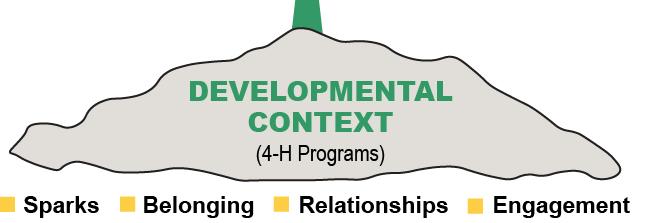
The developmental context refers to the environment and conditions that can either support or hinder youth growth. In the 4-H Thriving Model, the developmental context represents the foundational elements that are necessary for growth, in the same way that good soil is the foundation for a plant’s growth. Just as farmers and gardeners work hard to nurture the soil where they will plant their seeds (adding compost, water, and nutrients), 4-H volunteer coaches can do the same, taking time to structure their practices and meetings in a way that helps foster youth success.
Research shows that youth will thrive when they experience programs that include 4 key elements:
- Sparks- something that sparks their interest and holds their attention and ignites their inner drive
- Belonging- a feeling that they are welcome and can be themselves with the larger group
- Developmental Relationships- caring and supportive relationships with adults and peers
- Engagement- opportunities to engage meaningfully with their learning, leadership, and decision-making.
Below are some practical steps based on the 4-H Thriving Model that coaches can take to create a strong developmental context (Arnold & Gagnon, 2020). Matrix contents adapted by the author.
| Sparks | Belonging | Developmental Relationships | Engagement |
|---|---|---|---|
Get to know your youth and what they are interested in (outside of just the topic of 4-H competitive team). Find ways to connect youth interests to the topic at hand (i.e., if one youth likes cooking, ask if they want to bring snacks to practices). Find ways to make practice fun so they get excited about learning (i.e. judge candy bars one week instead of cattle). Expose them to new ideas and opportunities (guest speakers, field trips, career exploration) related to the topic. | Create a safe, inclusive, and supportive environment with language, tone, decorations, etc. Get to know youth’s names as quickly as possible. Make kids feel important by giving them roles and responsibilities to perform on a team or at practice. Make sure you have at least 5-10 minutes at each practice dedicated to getting to know each other with games/fun activities. Notice youth who might have missed a meeting or two and welcome them back to practice by reaching out. | Express care by being dependable, listening, and encouraging. Challenge growth by holding youth to high standards and expecting their best each time. Provide support by helping youth navigate difficult situations and systems and by giving them easy access to the resources they need to study and succeed. Share power by including youth in planning and letting them take the lead on practices. Inspire youth to see possibilities for their future by connecting practice to potential careers/skills. | Encourage youth to be engaged in practice & other 4-H events by celebrating small successes. Keep lessons/practice interesting with engaging methods of teaching (games, demos, videos, etc.). Encourage attendance or hard work. Point it out and celebrate it. Help find ways for youth to engage with each other by pairing 4-Hers with more experience and knowledge with those who have less. Give them opportunities to present reasons to each other so they can practice. Have youth help to pick topics that they want/need more attention to (do weekly check-ins or have a session dedicated to a topic they have identified as needing more help with). |
As youth are placed in rich and supportive developmental contexts and are given the necessary elements they need, early signs of positive growth—known as thriving indicators—may begin to emerge. However, these indicators do not appear automatically. They must be intentionally cultivated by coaches through consistent, purposeful interactions and supportive relationships. Thriving is not a passive outcome—it is the result of deliberate actions taken by caring adults who create opportunities for young people to grow.
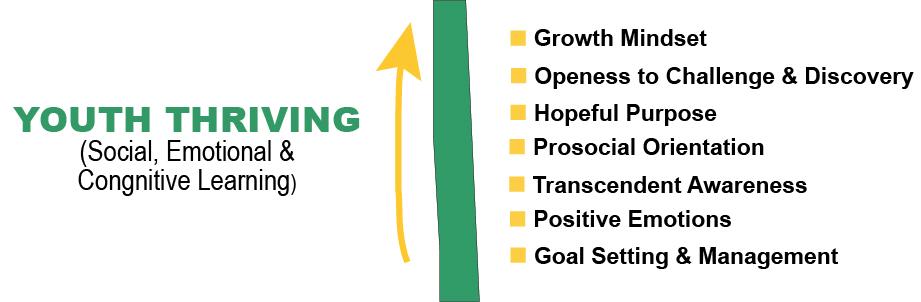
Thriving indicators reflect core aspects of social, emotional, and cognitive development. Social-emotional development includes the ability to manage emotions and build healthy, respectful relationships. Cognitive development involves learning to think critically, solve problems, and apply knowledge in meaningful ways. Coaches must be more than observers—they must be active participants in fostering these skills, recognizing potential in each young person and using intentional strategies to help them grow.
Below are key thriving indicators to look for, along with practical, intentional steps coaches can take to promote and support each one.
Growth Mindset
A mindset that focuses on hard work over innate ability.
Coaches can promote thriving by:
- Encouraging youth to study to get better.
- Praising hard work and perseverance.
- Helping youth to view mistakes as growth opportunities rather than failures.
- Using the “not yet” phrase to help them see that they can keep trying to get better
Prosocial Orientation
A mindset that wants to help others succeed
Coaches can promote thriving by:
- Setting clear expectations for how youth treat other at practices and competition.
- Encouraging behavior that is respectful, helpful, honest.
- Celebrating kindness and empathy among youth. Help older youth see themselves as role models.
Openness to Challenge and Discovery
An attitude of curiosity and a willingness to try new things.
Coaches can promote thriving by:
- Encouraging youth to try new things.
- Finding ways for youth to encourage each other when they make mistakes
- Portraying challenges and learning as fun and exciting.
- Identifying ways to challenge learning in small steps.
Positive Emotionality
An ability to manage emotions even in the face of difficulty.
Coaches can promote thriving by:
- Demonstrating to youth that their feelings matter by listening to their concerns.
- Helping youth to reflect on their actions and how they affect others.
- Encourage ethical thinking and decision-making
- Noticing youth who struggle with emotional management and guiding them.
- Modeling behavior for youth.
Hopeful Purpose
A mindset that is hopeful for the future and can see purpose in life
Coaches can promote thriving by:
- Helping youth identify their gifts and strengths.
- Empowering youth to teach each other.
- Offering real world experiences to promote a sense of purpose/goals
- Helping youth reach their goals and dreams.
Transcendent Awareness
An internal value system that recognizes the world is bigger than themselves.
Coaches can promote thriving by:
- Encouraging generosity among youth.
- Providing opportunities for youth to connect with each other.
- Helping youth understand how their actions (good and bad) might affect others.
- Helping them to see awe and wonder in the world.
Goal Setting and Management
An ability to set goals and make plans to achieve those goals.
Coaches can promote thriving by:
- Encouraging youth to set goals for what they want to achieve.
- Helping youth identify steps to achieve their goals.
- Helping youth when they experience roadblocks to their goals.
Summary
According to the 4-H Thriving Model, youth who experience a healthy and motivating developmental context and are encouraged to grow emotionally and intellectually (thriving indicators) by the adults in their lives will start to display some key developmental outcomes that will ultimately set them up for long-term success.
Developmental outcomes and long-term outcomes are results that coaches should be aiming to see as a result of the time and effort they put into building the developmental context and fostering those early thriving indicators. Those outcomes, such as social competence and personal responsibility, may take years to develop, or they may start to become evident after just a few weeks or months. Nonetheless, coaches should keep these in mind as they plan their programs and interact with youth and their parents so that they can be intentional about motivating and encouraging growth in these positive youth development areas.
For more information on the Thriving Model and other resources that coaches can use to foster youth thriving, check out the national Thriving website and resource bank: https://helping-youth-thrive.extension.org/tip-sheets/. Coaches should reach out to the 4-H Educator in their county if they have any additional questions.
Sources
Arnold, M.E. & Gagnon, R. J. (2020). Positive Youth Development Theory in Practice: An Update on the 4-H Thriving Model. Journal of Youth Development, 15(6).
National 4-H (2024). What is PYD? The Science of Success. Retrieved from: https://4-h.org/about/what-is-pyd/
Search Institute (2020). The intersection of developmental relationships, equitable environments, and SEL [Insights & Evidence Series]. Minneapolis, MN
ANNA GLENN
amglenn@umd.edu
This publication, Tips for 4-H Competitive Event Coaches: How to Create Thriving Programs (FS-2025-0760), is a part of a collection produced by the University of Maryland Extension within the College of Agriculture and Natural Resources.
The information presented has met UME peer-review standards, including internal and external technical review. For help accessing this or any UME publication contact: itaccessibility@umd.edu
For more information on this and other topics, visit the University of Maryland Extension website at extension.umd.edu
University programs, activities, and facilities are available to all without regard to race, color, sex, gender identity or expression, sexual orientation, marital status, age, national origin, political affiliation, physical or mental disability, religion, protected veteran status, genetic information, personal appearance, or any other legally protected class.
When citing this publication, please use the suggested format:
Glenn, A. (2025). Tips for 4-H Competitive Event Coaches: How to Create Thriving Programs (FS-2025-0760). University of Maryland Extension. go.umd.edu/FS-2025-0760