

FS-2025-0764 | November 2025
Understanding Agricultural Liability: General Liability Insurance
By Serena Newton and Paul Goeringer
Preventing all legal risks is impossible, but purchasing a general liability insurance policy is one way farmers can manage risk in their operations and minimize costs associated with litigation. In this context, risk is the probability of an action that causes negative consequences, and a general liability insurance policy is a contract between an insurance company and an insured person or business. If a lawsuit occurs that falls under the terms of the policy, the insurance company has a duty to defend the policyholder and assumes the expenses that result from the covered risk.
General liability insurance policies specify what actions and consequences the policy covers, any exclusions to what the policy covers, who the policy covers (aka the policyholder), when the policy applies, what property is relevant to coverage, the maximum amount of liability that the policy covers, and the cost of the policy. To ensure sufficient coverage in case of an accident, farmers should ensure that the details of their general liability insurance policy are the best fit for their operation.
What does general liability insurance cover?
It is important to understand what general liability insurance covers and when the policy holder can make a claim against it. A claim can only be made on liability insurance when an accident results in damage or injury, and the policyholder is legally liable for the damages. Accidents are unexpected or do not occur deliberately. A liability insurance claim does not cover damages caused by intentional or reckless illegal activity or fraud. The insurance company pays the injured person for losses. The insurance company Systemsdoes not reimburse the policyholder for losses (University of Missouri Extension, 2019).
General liability insurance covers the legal defense costs for the policyholder for covered claims. The insurance policy also states the maximum dollar liability per occurrence and maximum dollar liability for all occurrences of each coverage category (University of Missouri Extension, 2019). Common coverage categories include property damage, third-party bodily injury, and liability for compensatory damages in a personal injury case (University of Missouri Extension, 2019).
Negligence and Duty of Care
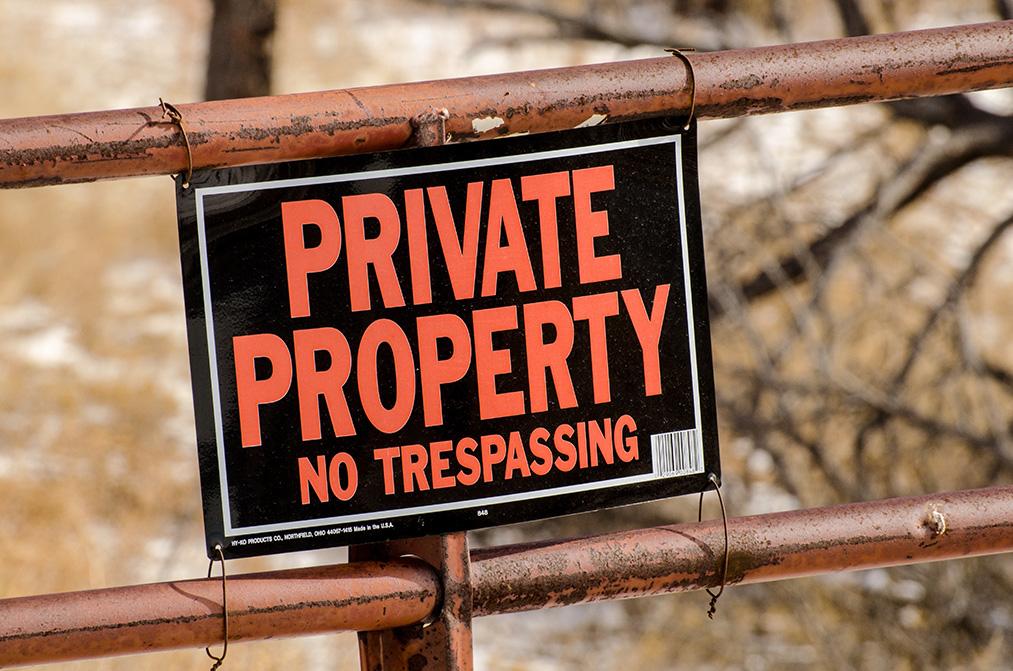
General liability insurance covers the policyholder when they are legally responsible for negligence. Negligence occurs when the policyholder unintentionally causes harm to a party in their duty of care by not implementing reasonable measures to prevent the harm. The duty of care that the owner or tenant owes to a visitor on their property depends on whether the visitor is a trespasser, licensee, or invitee. The following are summarized in Table 1 below.
A trespasser is someone who enters the landowner or tenant’s property without their consent and remains without their consent (Goeringer, 2015). The duty of care that the policyholder owes a trespasser is to refrain from wanton or willful injury. Wanton is defined as “conduct that is extremely dangerous and outrageous, in reckless disregard for the rights of others” (Wells v. Polland, 1998). Willful means “performed with the actor’s actual knowledge or with what the law deems the equivalent to actual knowledge of the peril to be apprehended, coupled with a conscious failure to avert injury” (Wells v. Polland, 1998).
The second type of visitor is a licensee. Maryland state law recognizes two types of licensees: bare licensees and licensees by invitation. A bare licensee has permission to be on the property but is there for their own purpose. An example of a bare licensee would be someone permitted to hunt on the property by the policyholder. The duty of care that the policyholder owes to a bare licensee is to refrain from willful or wanton injury from creating new and undisclosed sources of danger without warning (Rivas v. Oxon Hill Joint Venture, 2000). A licensee by invitation is someone invited onto the property by the policyholder. A party guest would be an example of a licensee by invitation. The duty of care that the policyholder owes to an invited licensee is to fix known problems or warn the licensee about dangerous conditions that are not easily discoverable (Rivas v. Oxon Hill Joint Venture, 2000).
The third type of visitor is an invitee. An invitee is someone invited onto the property for the policyholder’s economic benefit. Customers are considered invited licensees. The duty of care that the policyholder owes to an invited licensee is to protect them from unreasonable risks and keep the property reasonably safe (Rivas v. Oxon Hill Joint Venture, 2000).
| Type of Visitor | Definition | Duty of care owed by the landowner or tenant (the policyholder) |
|---|---|---|
| Trespasser | Someone who enters the farmland without the policyholder’s consent and remains without consent. | Refrain from wanton or willful injury. |
| Bare licensee | A person invited onto the property for the person’s economic benefit. | Refrain from willful or wanton injury from creating new and undisclosed sources of danger without warning. |
| Licensee by invitation | Someone who has permission to be on the property but is there for his/her own purpose. | Fix known problems or warn the licensee about dangerous conditions that are not easily discoverable. |
| Invitee | Someone invited onto the property for the policyholder’s economic benefit. | Protect the invitee from unreasonable risks and keep the property reasonably safe. |
| Recreational or educational guest | Someone that the policyholder invites on the property, for no charge, for an educational pursuit or “any recreational purpose”. | Refrain from willful or malicious failure to guard against dangerous conditions on the property. |
Maryland law further distinguishes duty of care related to recreational or educational guests on the property. The state’s Recreational Use Statute says that the policyholder does not have a duty of care to keep premises safe or provide warnings to any recreational or educational guests on the property. A recreational or educational guest is someone that the policyholder invites on the property, for no charge, for an educational pursuit or “any recreational purpose” (MD CODE ANN. NAT. RES. § 5-1101(f)). The duty of care that the policyholder owes to a recreational or educational guest is to refrain from willful or malicious failure to guard against dangerous conditions on the property (Goeringer, 2015).
What might be excluded from a general insurance policy?
The policyholder should ensure that their general liability insurance policy covers all risks that might occur during business. Risks often excluded from general insurance policies include nuisance, environmental, and trespass claims as outlined below. If the policy does not cover all risks applicable to the policyholder’s operation, the policyholder may want to purchase an endorsement or an umbrella policy. An endorsement is a modification to an insurance policy that covers special circumstances. An umbrella policy covers liabilities that cost more than the maximum amount set in the general policy (University of Missouri Extension, 2019).
Nuisance Claims
A policyholder is liable for nuisance when the activities on their property unreasonably interfere with the use and enjoyment of other people’s property. A nuisance may be either private or public. A private nuisance occurs if neighboring property owners are damaged. While Maryland right-to-farm statutes may afford some protection to policyholders from private nuisance actions when the operation meets the requirements in the law (The National Agricultural Law Center, n.d.), the statutes cannot address every possibility. In Maryland, a public nuisance is a criminal offense that occurs when the public is impacted. A public nuisance is similar to a private nuisance, but the nuisance has a common effect and common damages on the public. An example would be manufacturing illegal drugs (MD CRIM. LAW CODE ANN. § 5-602 ).
Environmental Claims
Policyholders are potentially liable for actions that violate federal, state, or local environmental regulations. Applicable regulations might include the federal Clean Water Act, the Clean Air Act, the Endangered Species Act, the Federal Insecticide, Fungicide, and Rodenticide Act, or the Comprehensive Environmental Response, Compensation, and Liability Act (The National Agricultural Law Center, n.d.). These types of claims are often excluded from most general liability insurance policies.
Liability from environmental damage is also a possibility when the production methods of one landowner cause damage to a neighboring farmer. For example, pesticides drifting from a non-organic crop field to an organic crop field could cause damage to the organic crop farmer if they lose their organic certification (The National Agricultural Law Center, n.d.).
Oftentimes, environmental risks like spraying chemicals or spreading manure are excluded from general insurance policies because putting a dollar amount on fines associated with environmental problems can be challenging for insurance companies (University of Missouri Extension, 2019).
Trespass Claims
Policyholders may be liable for trespass, which could be broader than described above, for activities on their land. A trespass occurs when an unpermitted physical invasion of another’s land interferes with their property rights. Trespasses from agricultural lands could include groundwater contamination, odors, dust, or wayward livestock (The National Agricultural Law Center, n.d.). It is important to check with your insurance provider to determine if the policy would cover these types of claims.
Agritourism and other activities
Some insurance providers may not accept the risks of an agritourism enterprise (Schilling, n.d.). Other common exclusions in general farm liability insurance include farmers market sales, boarding dogs or horses, non-farm activities such as snow removal or landscaping, and custom farm work (University of Missouri Extension, 2019).
Who does general liability insurance cover?
A general liability insurance policy also protects certain individuals involved in the farm’s operation. The farmer is responsible for their actions and those acting on their behalf, including employees and independent contractors (Schilling, n.d.). While the policyholder is always covered by the general insurance policy, any legal business entities included in the policyholder’s business must be listed. The policyholder should confirm that their relatives are included, if applicable, and that the total number of farm employees is included. If applicable, the policyholder should also confirm that short-term or seasonal employees are covered because these employees may be compensated differently or work for multiple farms (University of Missouri Extension, 2019).
When hiring an independent contractor, a policyholder should request a written record of the contractor’s liability insurance coverage because if the independent contractor has an accident while working for the policyholder, both the contractor and the policyholder’s insurance agents would participate in the investigation. The policyholder should also have a contract requiring the independent contractor to compensate the policyholder if there is an issue with the contractor’s coverage. Policyholders should ask their insurance agent how an accident involving an independent contractor would be handled by the insurance company (University of Missouri Extension, 2019).
When and where does general liability insurance apply?
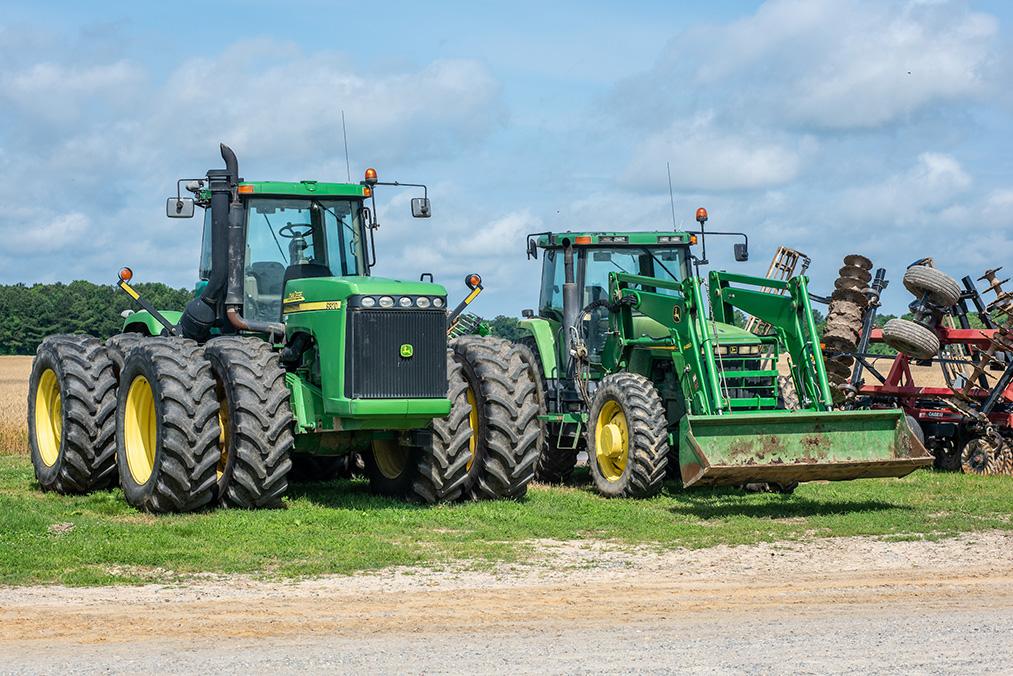
General liability insurance covers accidents that happen while the policyholder’s operation is conducting business as well as actions that occur on the operation’s premises. Accidents that occur on roads, such as an incident that occurs when a policyholder is transporting a tractor on a road, are usually covered, but the policyholder can ask their insurance agent if a vehicle is considered part of the farm business and covered by their vehicle insurance policy (University of Missouri Extension, 2019).
Most policies are sold for one-year periods, but policies can be purchased for shorter amounts of time to cover specific events. A policy only covers an activity that caused harm during the coverage period. Also, general liability insurance is not designed to cover an operation’s pre-existing conditions. An insurance agency might audit an operation before agreeing to an insurance policy (University of Missouri Extension, 2019).
How much does the farmer pay?
The policyholder pays a premium to the insurance company to receive coverage. The premium relates to the amount of coverage and risk. If the policyholder negotiates for more coverage, the insurance company agrees to more risk, and the policyholder must pay a higher premium. If a lawsuit occurs against the policyholder, the policyholder pays for whatever amount the insurance policy does not cover (University of Missouri Extension, 2019).
How should the farmer manage their general liability insurance policy over time?
Policyholders should disclose information with the insurance carrier when obtaining the general insurance policy, when renewing the policy, and whenever a change occurs that could impact the insurance company’s risk or the premium they charge. Changes might include the size of the operation, the number of employees, the activities on the operation, or the technology used on the operation. A policyholder may want to have an insurance agent or attorney visit their operation to identify potential legal risks so they can make changes to their operation and risk management plan if needed. Policyholders can also limit their legal risk by building relationships with their neighbors, keeping accurate records, following permits and regulations, and having a list of attorneys to contact in case an accident occurs.
Conclusion
General liability insurance is one tool that policyholders can implement to manage legal risk. A claim can only be made on liability insurance when an accident results in damage or injury, and the policyholder is legally liable for the damages. A general liability insurance policy protects the policyholder and individuals involved in the farm’s operation that are listed in the policy. The policy covers accidents that happen while the policyholder’s operation is conducting business and actions that occur on the operation’s premises, and only covers activities that occur during the coverage period. Policyholders should work with their insurance agent to ensure that their general insurance policy covers all liabilities on their operation, and purchase an umbrella policy or an endorsement if necessary. Risks often excluded from general insurance policies include nuisance, environmental, and trespass claims.
References
Goeringer, Paul. (2015, November). Understanding Agricultural Liability: Premise’s Liability. University of Maryland Extension. https://extension.umd.edu/resource/understanding-agricultural-liability-premises-liability-fs-1001/
MD CODE ANN. NAT. RES. §§ 5-1101 to 5-1109 (West 2025)
MD CRIM. Law CODE ANN. § 5-602 (West 2023)
Rivas v. Oxon Hill Joint Venture, 744 A.2d 1076 (Md. Ct. Spec. App. 2000).
Schilling, Brian. (n.d.). Agritourism Liability. Rutgers University. https://agritourism.rutgers.edu/pdfs/Module%205%20-%20Liability.pdf
The National Agricultural Law Center, University of Arkansas. (n.d.). Landowner Liability: An Overview. https://extension.umd.edu/programs/environment-natural-resources/program-areas/woodland-stewardship-education/your-woodland/forest-stewardship/landowner-liability-and-recreational-access/
University of Missouri Extension. (2019, March). Farm Liability Insurance. https://extension.missouri.edu/media/wysiwyg/Extensiondata/Pub/pdf/agguides/agecon/g00455.pdf
Wells v. Polland, 708 A.2d 34 (Md. Ct. Spec. App. 1998).
This material is based upon work supported by USDA/NIFA under Award Number 2023-70027-40447.


SERENA NEWTON
snewton5@umd.edu
PAUL GOERINGER
lgoering@umd.edu
This publication, Understanding Agricultural Liability:General Liability Insurance (FS-2025-0764), is a part of a collection produced by the University of Maryland Extension within the College of Agriculture and Natural Resources.
The information presented has met UME peer-review standards, including internal and external technical review.
For help accessing this or any UME publication contact: itaccessibility@umd.edu
For more information on this and other topics, visit the University of Maryland Extension website at extension.umd.edu
University programs, activities, and facilities are available to all without regard to race, color, sex, gender identity or expression, sexual orientation, marital status, age, national origin, political affiliation, physical or mental disability, religion, protected veteran status, genetic information, personal appearance, or any other legally protected class.
When citing this publication, please use the suggested format:
Newton, S. & Goeringer, P. (2025). Understanding Agricultural Liability: General Liability Insurance (FS-2025-0764). University of Maryland Extension. go.umd.edu/FS-2025-0764