
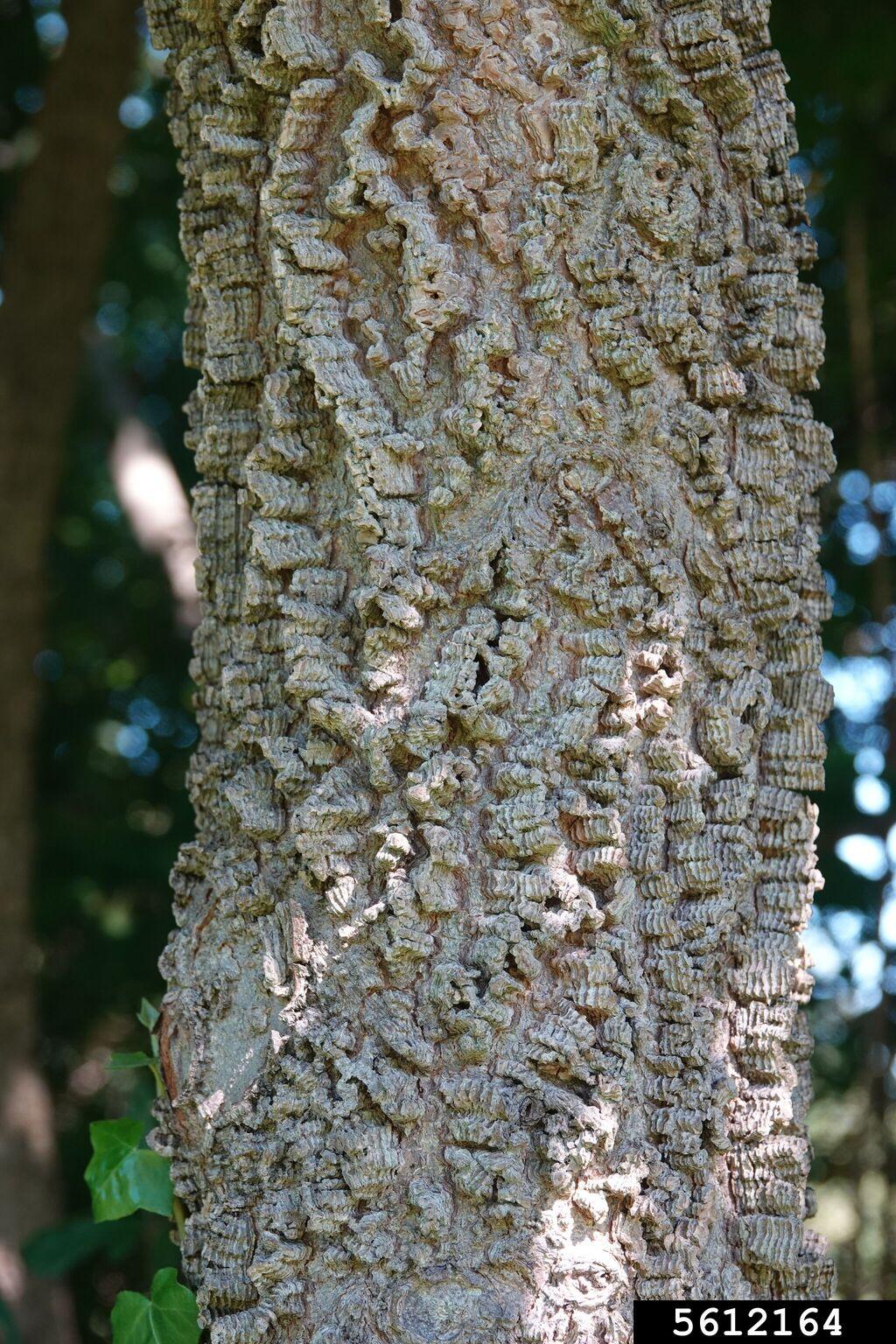
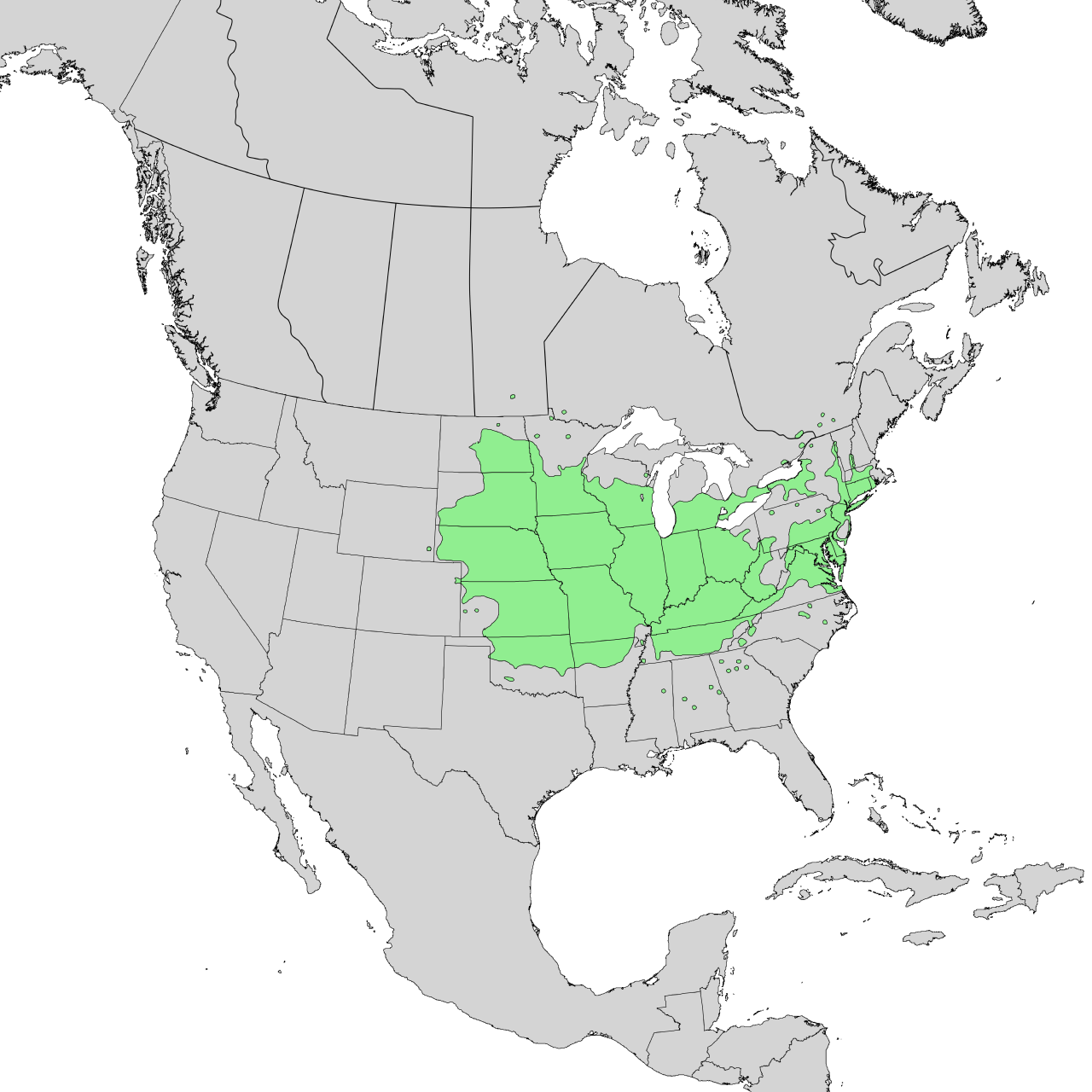
The humble common hackberry tree (Celtis occidentalis), sometimes referred to as a “nettletree” or “beaverwood,” has some fascinating characteristics if you are willing to look past its warty bark exterior. A member of the Cannabaceae family (which includes cannabis, hops, and other hackberry species), hackberry trees received their common name given their fruit’s close resemblance to European bird cherry trees (called “Hagberry trees” in Scotland). The native range of hackberry trees extends from the southern New England states to Tennessee, and west out to the Dakotas. These trees can tolerate climate extremes, as shown by their persistence in Great Plains states that have significantly lower rainfall and significantly higher temperature variation than coastal Eastern states.
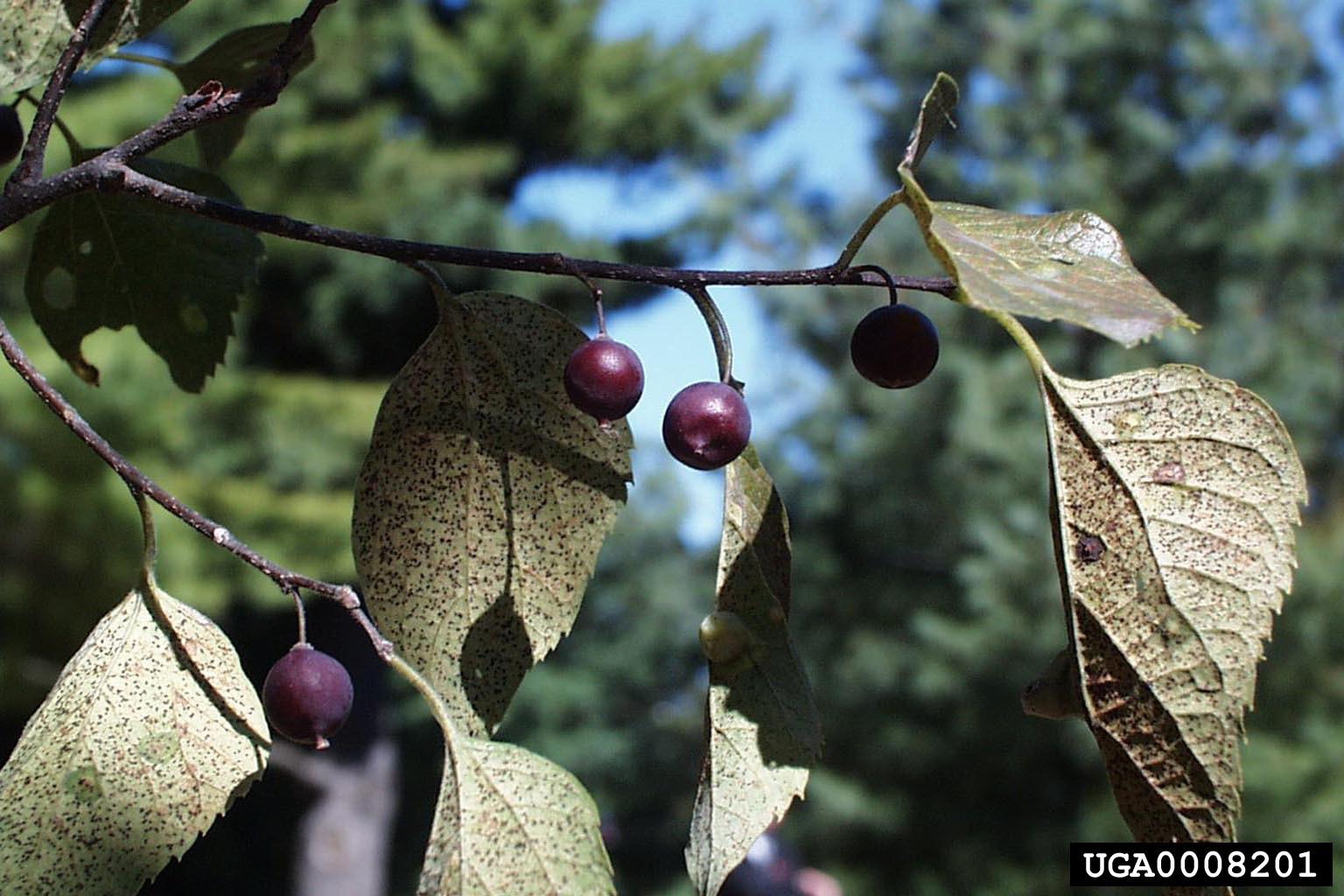
Hackberry trees can grow in a range of soil conditions, from deep, rich soils to exposed limestone outcrops. Furthermore, these trees are excellent for wildlife. Birds such as quail, wild turkey, robins and cedar waxwings enjoy the small berries produced by hackberry trees, and butterflies such as the Hackberry Emperor (Asterocampa celtis) depend on hackberry leaves for their diet when they are in their larval stage. Given their ability to withstand harsh conditions and their benefits to native wildlife, hackberry represents a great choice for an urban tree.
Hackberry fruit is edible and has been enjoyed by people for thousands of years. Histories of several Indigenous tribes across North America feature recipes for hackberry jams and pastes. These trees are slightly shorter than other hardwood tree species (topping out at around 40-60 feet) and short-lived (a lifespan of around 80-100 years). The wood from hackberry trees is sometimes used in some lower-quality furniture and tool handles and can be readily steam-bent. Hackberry is most often found near riverbanks and in forests across Maryland’s Piedmont region, as well as the Eastern and Western shores.
Sources:
Burns, R., and Honkala, B. Silvics of North America Volume 2. Hardwoods. United States Department of Agriculture (USDA), Forest Service, Agriculture Handbook 654.
Benfer, A. Foods Indigenous to the Western Hemisphere: Sugarberry and Hackberry. https://aihd.ku.edu/foods/hackberry.html