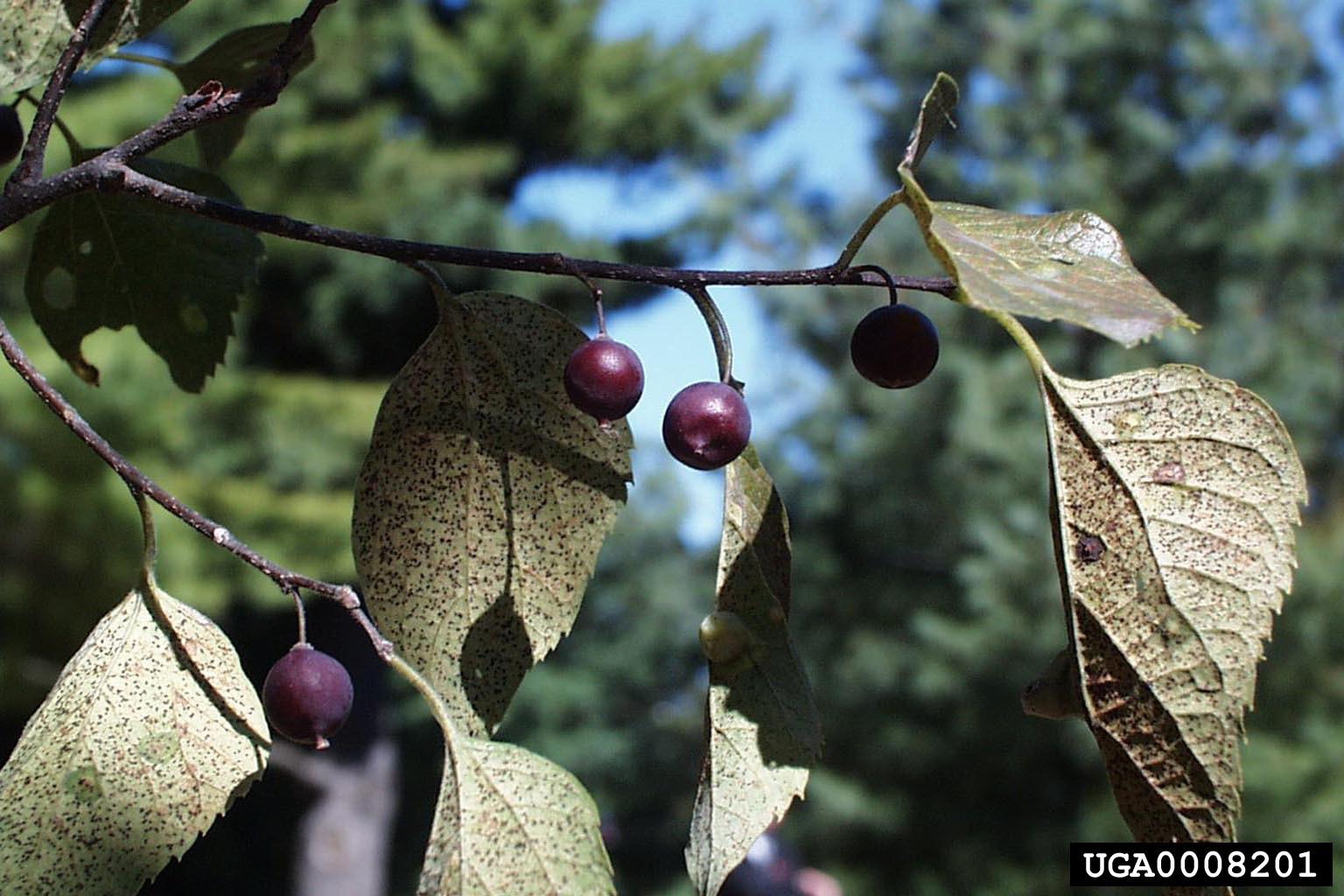
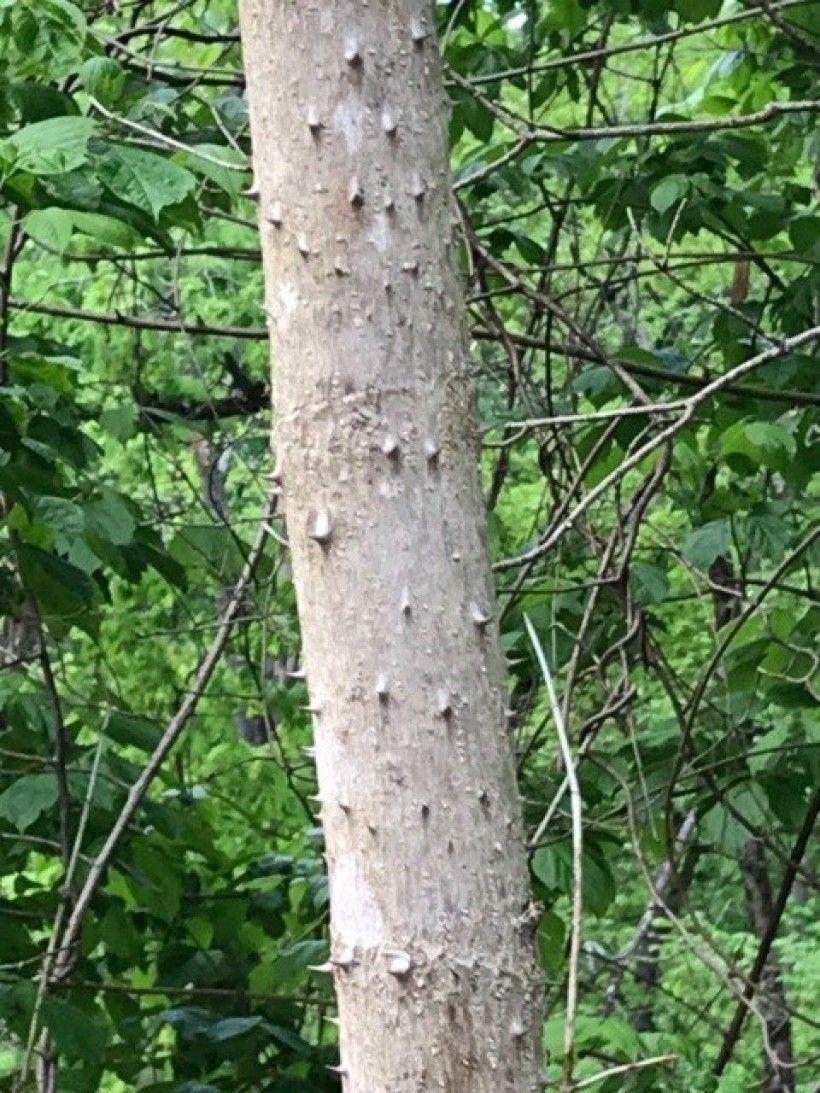
The fruit from common hackberry trees is edible and can be ground into powders or made into jams (Photo Credit: Paul Wray, Iowa State University, Bugwood.org).

The fruit from common hackberry trees is edible and can be ground into powders or made into jams (Photo Credit: Paul Wray, Iowa State University, Bugwood.org). 

Updated: February 26, 2026
By Andrew Kling , and Daniel Pratson

In our Winter 2026 issue...

In this issue: Read about the benefits of using phenology in your woodlands, and how you can join us for our online course, "The Woods in Your Backyard." Learn about a new group seeking to expand the knowledge and practice of prescribed fire in Maryland.  Our "Native Trees of Maryland" looks at the Common Hackberry, and "Invasives in Your Woodlands" looks at the Japanese Angelica Tree. And don't forget the events calendar and the Brain Tickler challenge.


Subscribe to Branching Out

Download your copy (PDF)

Phenology in Your Woodlands

 Andrew A. Kling, Branching Out editor

Phenology links what you see on the ground to patterns in weather and climate, turning casual observation into a powerful management tool.

Learn more >>

Registration is Now Open For the Spring Session of “The Woods in Your Backyard” Online Course

Registration is now open for the Spring 2026 session of “The Woods in Your Backyard” online course. Our course is designed primarily for small-acreage property owners who want to learn how to care for or expand existing woodlands, or to convert lawn space to woodlands. The self-directed, non-credit online course runs for ten weeks, from March 9 to May 18.

Learn more >>

New Group Seeks to Spread Knowledge of Prescribed Fire Benefits

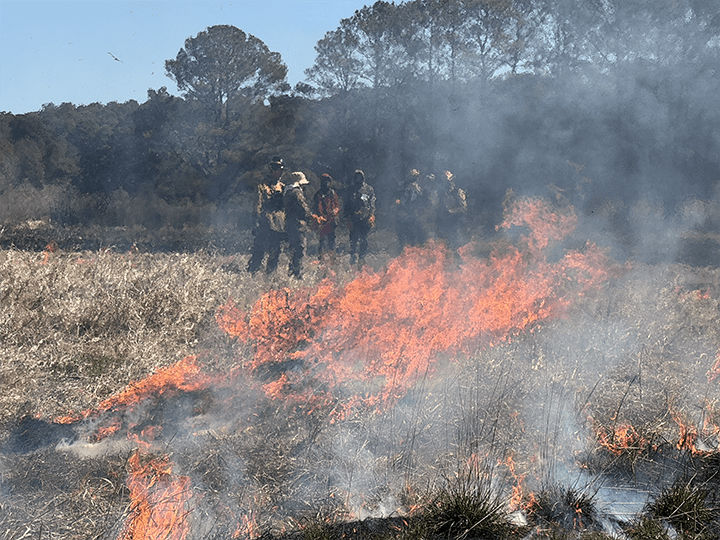
Many landowners in the Mid-Atlantic region are learning that prescribed fires can help them achieve their management goals for their property. The Maryland Prescribed Fire Council aims to protect, promote, and expand the safe and responsible use of prescribed fire in Maryland.

Learn more >>


Native Trees of Maryland: Common Hackberry, Celtis occidentalis

Daniel Pratson

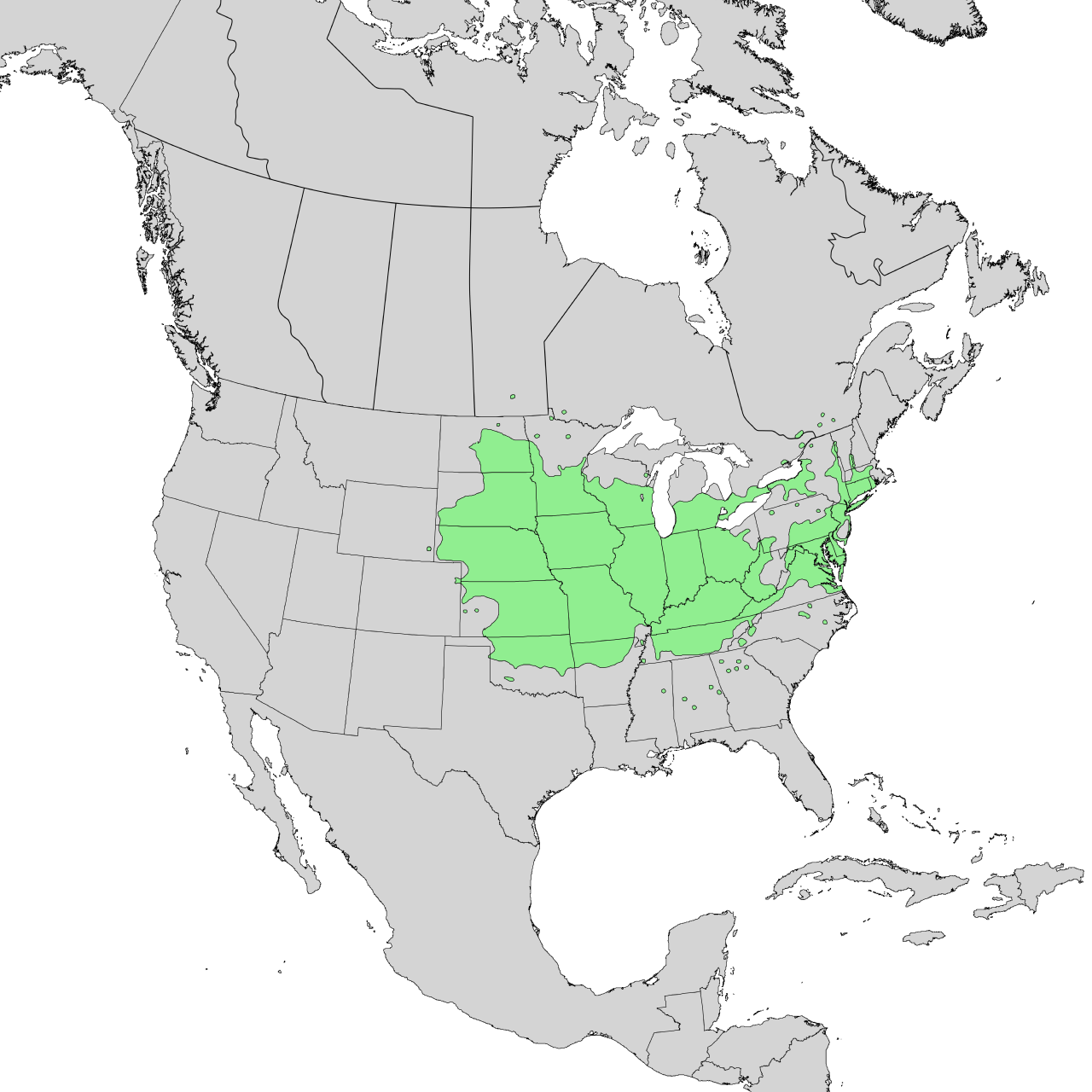
The humble common hackberry tree (Celtis occidentalis), sometimes referred to as a “nettletree” or “beaverwood,” has some fascinating characteristics if you are willing to look past its warty bark exterior. Given their ability to withstand harsh conditions and their benefits to native wildlife, hackberry represents a great choice for an urban tree.

Learn more >>

Invasives in Your Woodland: Japanese Angelica Tree

The Japanese angelica tree was introduced to the United States in 1830 as an ornamental plant and likely naturalized shortly after its introduction; however, its invasive tendencies in the Mid-Atlantic states were only first observed in the early 2000s.

Learn more >>

Events Calendar


March 3 - 6, 2026, 6:00 PM—4:00 PM
Central Hardwood Forest Conference 
Nittany Lion Inn, State College, PA

The Central Hardwood Forest Conference brings together foresters, silviculturists, and forest managers to explore current research, innovative practices, and emerging challenges in central hardwood forest management. This conference provides a collaborative forum for professionals to share knowledge, examine real-world applications, and discuss strategies that support the long-term sustainability and resilience of central hardwood ecosystems. ISA, SAF, and SFI credits available. Registration deadline: February 24, 2026. Go here for more information and to register.


March 28, 2026
2026 Treelay – Multiple Locations

Join the Alliance For the Chesapeake Bay for back-to-back tree plantings in a relay-style event to get thousands of trees in the ground in just one day. Known as “Treelay,” this event takes place at numerous sites across the Chesapeake Bay watershed, and volunteers plant continuously for one full day. Our 2026 Treelay will take place on Saturday, March 28th. More information here.


June 9, 2026, 12:00 PM & 7:00 PM
Online
Forest Seminar: Using Trail Cameras on your Forest Land

The rapid advancement of trail camera technology has broadened its value for forest landowners seeking better insight into their woodlands. This free webinar from Penn State Extension explores how trail cameras can support informed land management decisions, from monitoring wildlife activity to observing changes across the landscape. Participants will learn about the main types of trail cameras and the key features to consider when selecting equipment. Learn more and register here.  

Branching Out, Vol. 34, no. 1 (Fall 2026)

Branching Out is the free, quarterly newsletter of the Woodland Stewardship Education program. For more than 30 years, Branching Out has kept Maryland woodland owners and managers informed about ways to develop and enhance their natural areas, how to identify and control invasive plants and insects, and about news and regional online and in-person events.

Subscribe