
The Stormwater Management and Restoration Tracking (SMART) Tool accounts for stormwater best management practices (BMP) in the Chesapeake Bay Watershed, whether implemented by individuals, businesses, governments, or other groups.
Urban and suburban stormwater is the only pollution sector with increasing nitrogen, phosphorus, and sediment loads. This pollution can be reduced through voluntarily installed BMPs, but these practices are often not tracked by local governments and the pollution reduction is not incorporated into broader Chesapeake Bay restoration efforts.
The SMART Tool allows anyone to enter data about BMPs they have constructed or installed. These practices are then certified through a procedure approved by the Chesapeake Bay Program’s Urban Stormwater Work Group. Once certified,the amount of pollution prevented from entering the Bay by each practice is calculated using pollution reduction rates approved by the Chesapeake Bay Program’s Water Quality Goal Implementation Team.
This provides an opportunity for local governments to understand and share the positive impact of these BMPs. The Tool also allows for the formal accounting of pollution reduction requirements and increases the accuracy of the effort needed to meet water quality improvement goals for the Bay.

Interested in exploring current BMPs across the Chesapeake Bay Watershed, or ready to enter your own BMP?

Want to learn more about using the SMART Tool, BMPs, or how to enter your own BMP?
Stay tuned for the SMART Tool User’s Guide!
Which BMPs does the SMART Tool track?
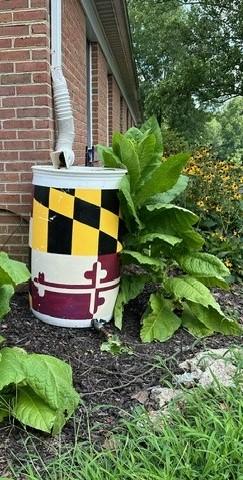
The SMART Tool tracks 19 different stormwater BMPs: ten small-scale practices typically implemented by homeowners and nine larger-scale practices that a contractor usually implements on larger restoration sites.