General lawn care practices that discourage weeds
Maintain healthy, dense turf that can compete with weeds and prevent weed germination and establishment. Mow the lawn high (at 3 to 4 inches) during the growing season, and seed bare spots to fill them in before weeds can colonize the exposed soil.
Lawn care and maintenance
Mechanical management
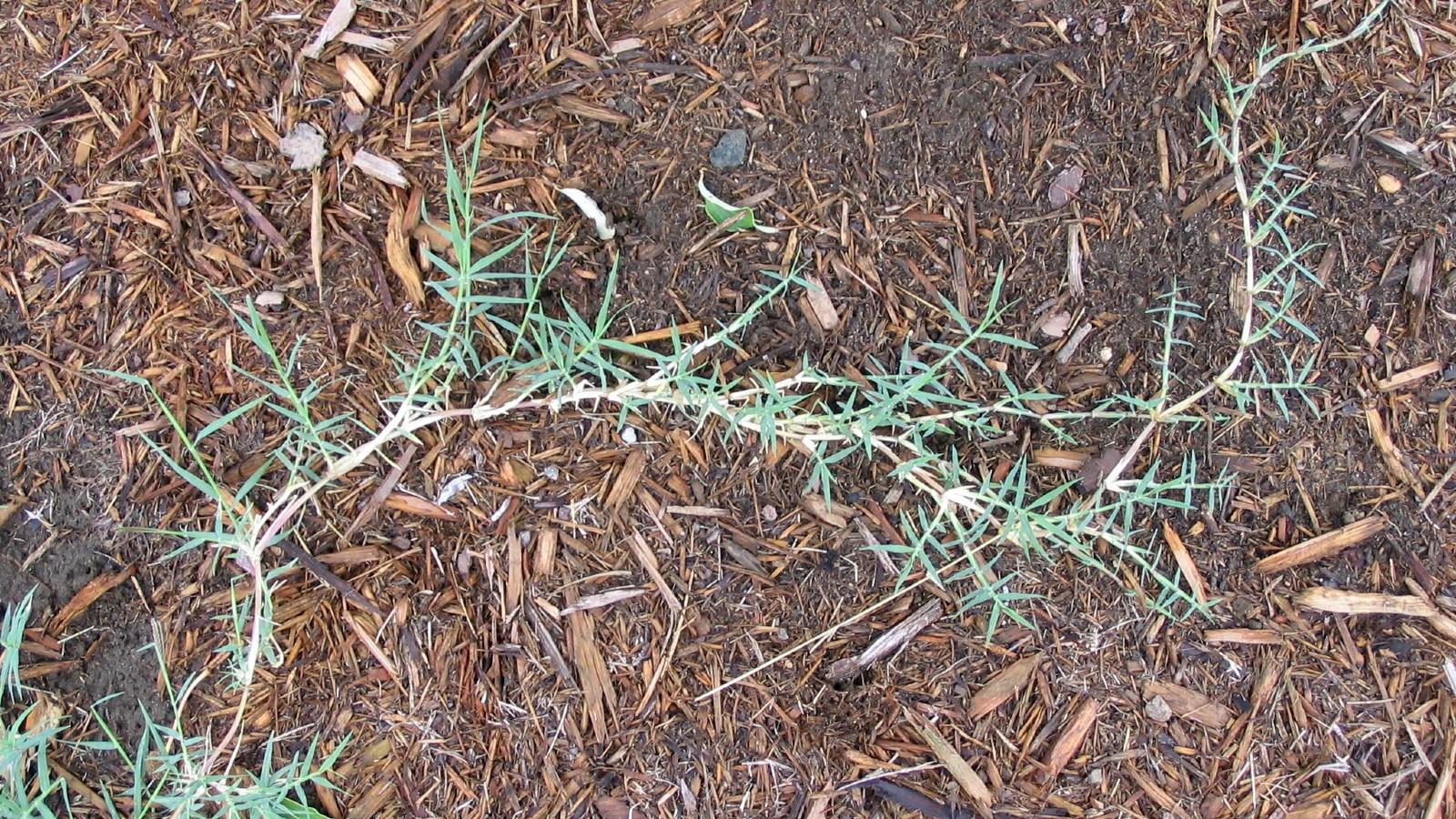
Digging established bermudagrass out of a lawn is usually not practical, and rhizome fragments left behind (even when the infested sod is removed) can regrow, although usually only from pieces left within a few inches of the soil surface.
In flower/garden beds, small bermudagrass infestations can be dug out manually. You must remove the entire root system and any rhizomes. Do not rototill live plants, which makes it easier to miss removing all of the resulting rhizome pieces, which will then resprout.
Manage Weeds Without Chemicals
Chemical management
Herbicide use should always be a last resort when managing weeds. Check for any local pesticide restrictions before buying and applying a product. For example, the Montgomery County pesticide law does not allow most synthetic pesticides (herbicides are a type of pesticide) to be used on lawns. The active ingredient glyphosate is also prohibited on lawns in Baltimore City.
Learn about herbicide classifications and terminology:
Herbicide Options for Managing Common Lawn Weeds
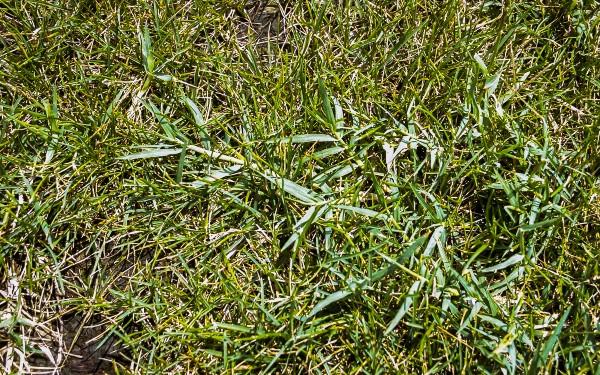
Perennial weedy grasses, like bermudagrass, are extremely difficult to control selectively in turfgrass without damaging or sacrificing the surrounding turfgrass in the process.
Post-emergent herbicide
A liquid, selective post-emergent herbicide with the active ingredient fenoxaprop can be used to suppress bermudagrass in lawns, but it will not fully eradicate it. The non-selective systemic ingredient glyphosate can be used to spot-treat individual plants or patches of bermudagrass, but it can also kill any turfgrass or other plants contacted by the spray.
Start over: lawn removal and replanting
When you need to replant an area of fescue lawn that is too heavily infested with bermudagrass, begin lawn renovation in mid- to late August, which allows time for putting down grass seed or sod during the September to mid-October ideal lawn planting window. If herbicide is used to kill the old lawn instead of removing it with a sod cutter machine or shovel, any weeds must be actively growing in August when glyphosate is applied.
To improve herbicide efficacy, water the area well if the weather has been dry, and allow the weeds to grow (do not mow them) for a week or two before making the application. Apply glyphosate at the rate recommended for bermudagrass on the product label, and do not disturb its leaves or roots for a week after application. Irrigate again (as needed based on weather) to encourage regrowth from any unaffected roots or runners, and apply the herbicide again if any new growth appears.
Be aware that the bermudagrass will probably return again in the future, as multiple rounds of control are usually needed to eradicate a significant infestation. Turfgrass seed can be sown 7 days after application, once you are sure the weeds are dead.