What Is Cyclosporiasis?
By Carol Allen, Agent Associate in Food Safety, University of Maryland, College Park
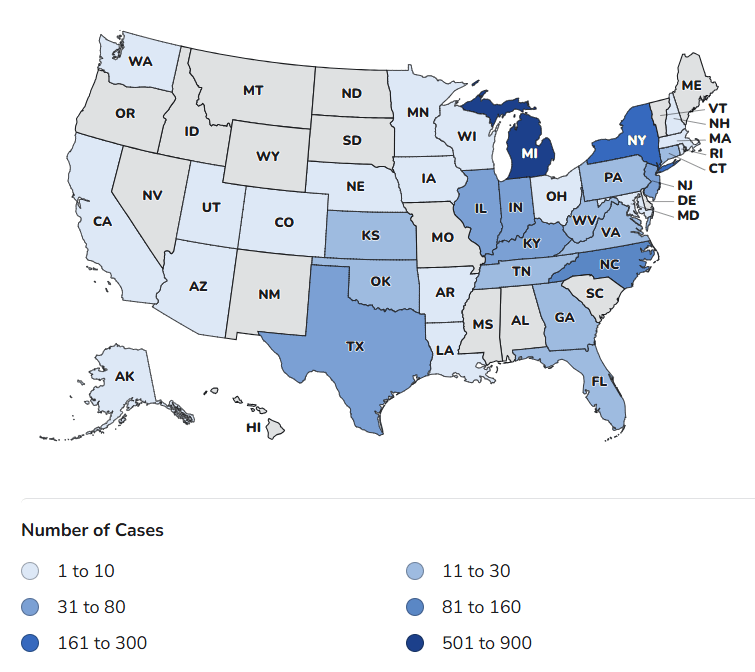
Cyclosporiasis continues to be in the news with cases in Michigan and Ohio rising dramatically in the past week. As of July 13, 2026 there have been 1,645 cases reported in 34 states, of these 141 cases required hospitalization (Fig 1.). There have been no reported deaths. An additional 440 cases were in people were traveling outside the United States during the 14 days before they got sick. In the Mid-Atlantic, neither Maryland or Virginia are seeing the rapid increase in cases of cyclosporiasis. Virginia reports a total of 10 cases for the year and Maryland reports 32 cases, again for the year.
Travelers outside of the US are at the greatest risk of exposure to these parasites by drinking contaminated water and eating contaminated food. Within the US, a typical year may see hundreds to thousands of cases nationwide, with healthcare providers seeing the peak in domestic cases between May 1 and August 3.
We typically see food borne illness outbreaks that are caused by bacteria. Cyclosporiasis is caused by a number of species of a microscopic parasite in the genus Cyclospora. The nature of the parasite makes trace back difficult as the life stage that is most often found in feces is an oocyst. That “resting” stage or unsporulated oocyst needs about two weeks in a favorable environment to produce infective sporulated oocysts. That lag time is what makes traceback difficult.
It is characterized by a watery, explosive diarrhea and other gastrointestinal symptoms. It is often unreported in healthy individuals. If untreated, cyclosporiasis can persist with periods of remission and recurrence.
At this time no link has been found tracing back to a common source. Clusters of cases are currently undergoing traceback efforts by the FDA. The CDC has initiated surveillance of the diseasehttps://www.cdc.gov/cyclosporiasis/outbreaks/07-26/index.html
While GAP and PSR training focuses primarily on bacterial pathogens, Cyclospora presents us with different problems.It is an intestinal protozoan that survives in the environment as oocytes, which are difficult to assay. Cyclospora is also resistant to standard sanitizers and can survive on fresh produce to cause food borne illness in humans. Historically it has been found in basil, berries, peas, cilantro, lettuces, and other fresh produce.
Cyclospora has been of minor concern in countries with trained workers and good sanitation procedures. In those countries cyclosporiasis outbreaks have usually been traced to high-risk raw produce imported from areas with poor public sanitation programs.
Cyclosporais not passed from human to human directly, but is spread via the fecal/oral route. Contaminated water, often surface water, contacting produce near or at harvest or contacting contaminated soil is thought to be the typical route.
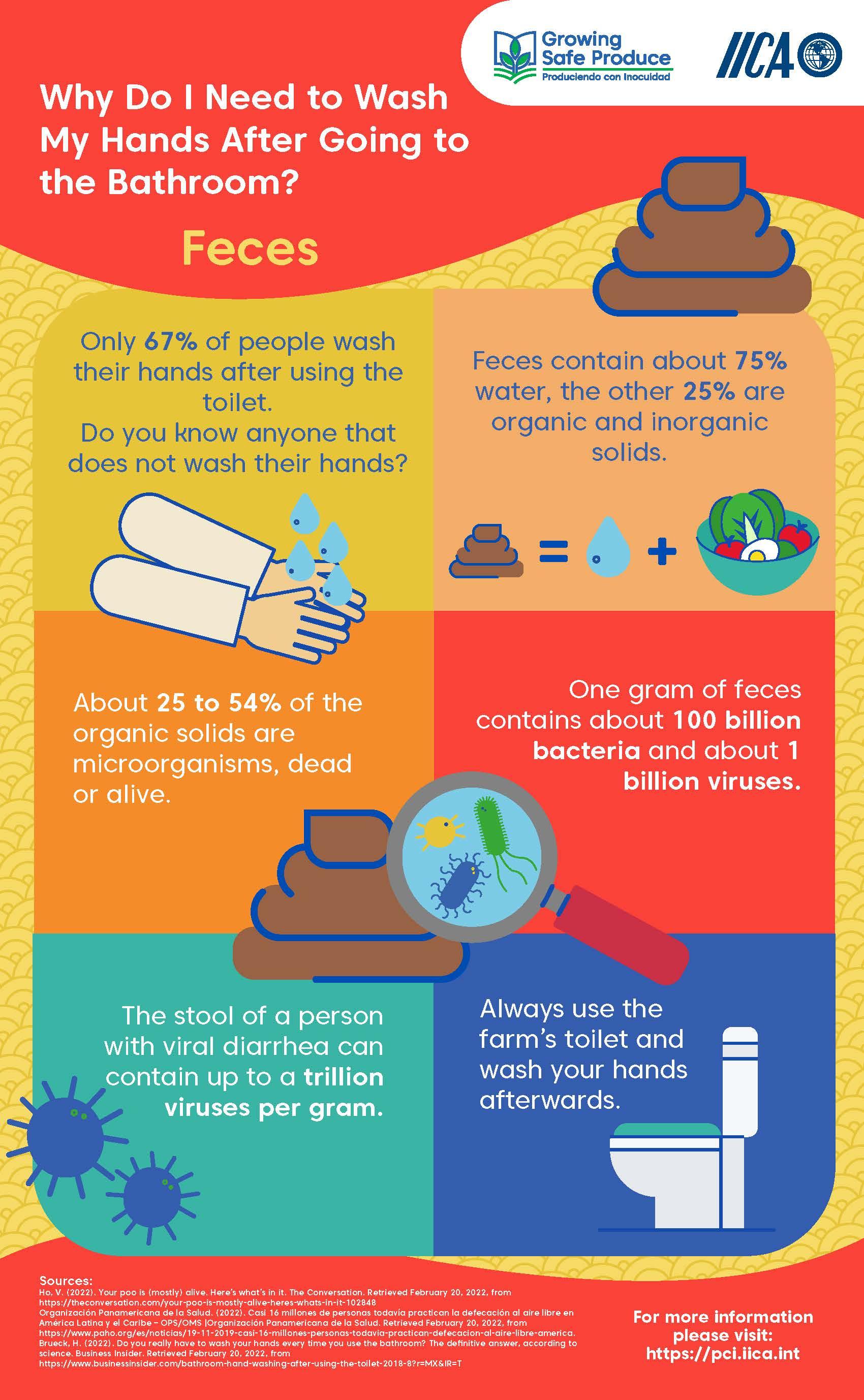
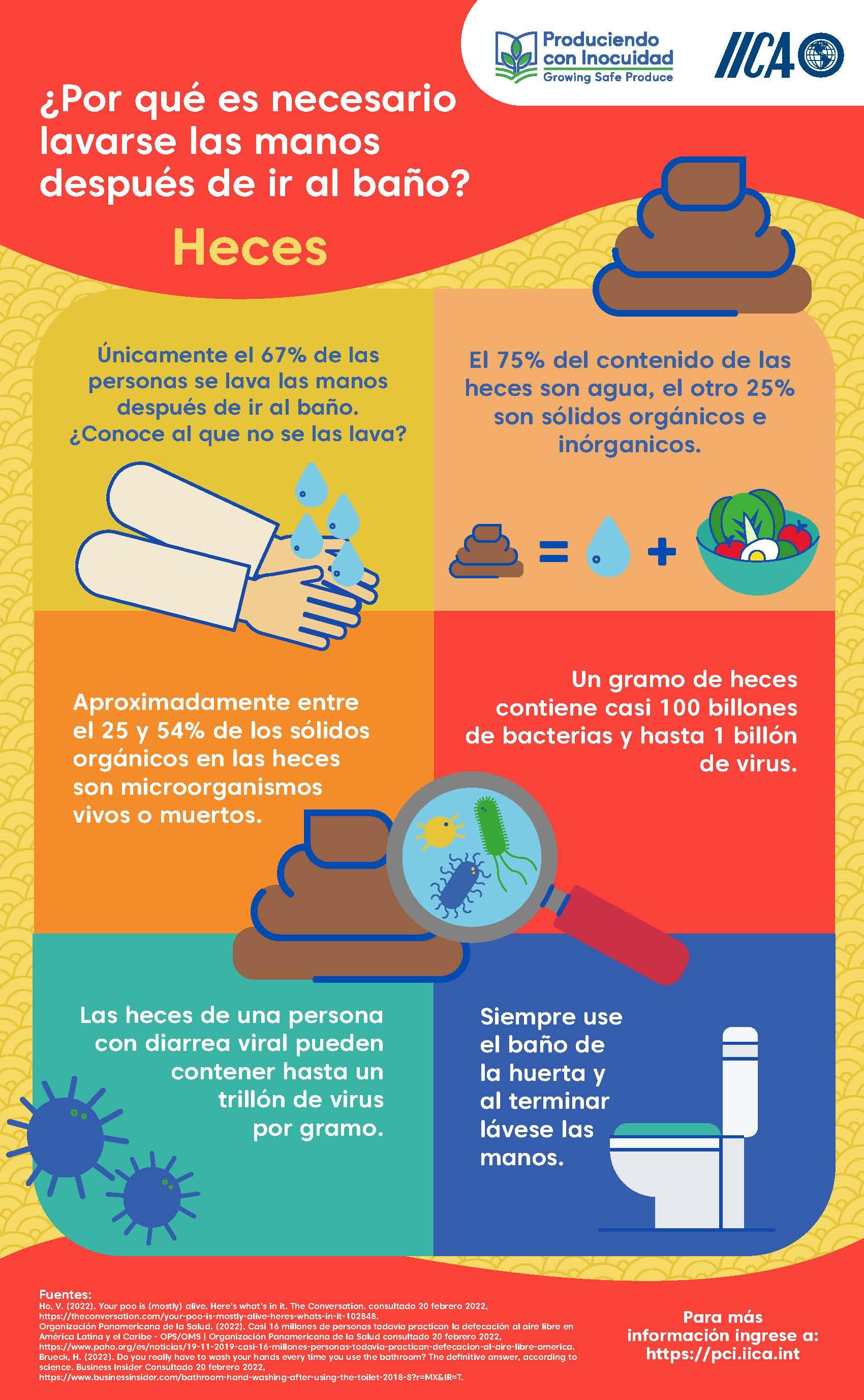
Worker training in basic health and hygiene will be an important part in preventing outbreaks (Fig 2.). Emphasis should be placed on not using field areas for defecation and the importance of hand washing after using the toilet and before handling produce. As travelers can carry the parasite, worker health and hygiene training should be initiated immediately when new workers start on the farm.
At the farm level for both workers and visitors make sure to have a plan in place to clean and maintain portable toilets. Keep them away from the growing environment where contamination of produce can occur, including all sources of water. Use a reputable third-party company for cleaning, sanitation and disposal of human waste into an adequate sewage system or through other adequate means. Have a plan for monitoring and managing leakages or spills of human waste.
The presence of Cyclospora cayetanensisin Mid-Atlantic waters has been of increasing concern since first documented in 2018. Kalmia Kniel, Ph.D. at the University of Delaware has been looking at the prevalence of the pathogen in Delmarva waters and the possible efficacy of Zero Valent Iron filtration in removing and inactivating the protozoa in irrigation water. Read more about the project at.