
Updated: April 1, 2022
Developing Proactive Legal Strategies for Handling Protesters and Hiring Employees to Limit Legal Issues on Your Farm (FS-1163)
Managing legal risks can mean following a well-thought-out process to hire new employees, correctly training new employees, allowing them additional training to stay current on the most recent chemical application and animal welfare practices, and developing other proactive strategies to limit legal challenges impacting a farm operation. This publication assists readers in better understanding what can go into this process. Title: Developing Proactive Legal Strategies for Handling Protesters and Hiring Employees to Limit Legal Issues on Your Farm (FS-1163). Author: Paul Goeringer, Ellen Pearson
Updated: March 29, 2022
Understanding Agricultural Liability: Legal Risk Management Considerations (FS-995)
Authors:
Paul Goeringer
This fact sheet can serve as another tool in a farmer’s risk management plans by providing information on how farmers can protect themselves from legal challenges from a nuisance or violation of an environmental permit. The information discussed in this fact sheet will not eliminate threats of lawsuits. Elimination of 100 percent of legal risk is not possible. Understanding Agricultural Liability: Legal Risk Management Considerations is available here http://drum.lib.umd.edu/handle/1903/16345. Author: Paul Goeringer, Title: Understanding Agricultural Liability: Legal Risk Management Considerations (FS-995)



Updated: May 13, 2021
Adoption of Household Stormwater Best Management Practices
This report summarizes the findings of a household survey conducted by the University of Maryland (UMD) regarding the adoption of stormwater best management practices (BMPs), including rain gardens, rain barrels, low fertilizer lawn care, and conservation landscaping.
Updated: January 21, 2021
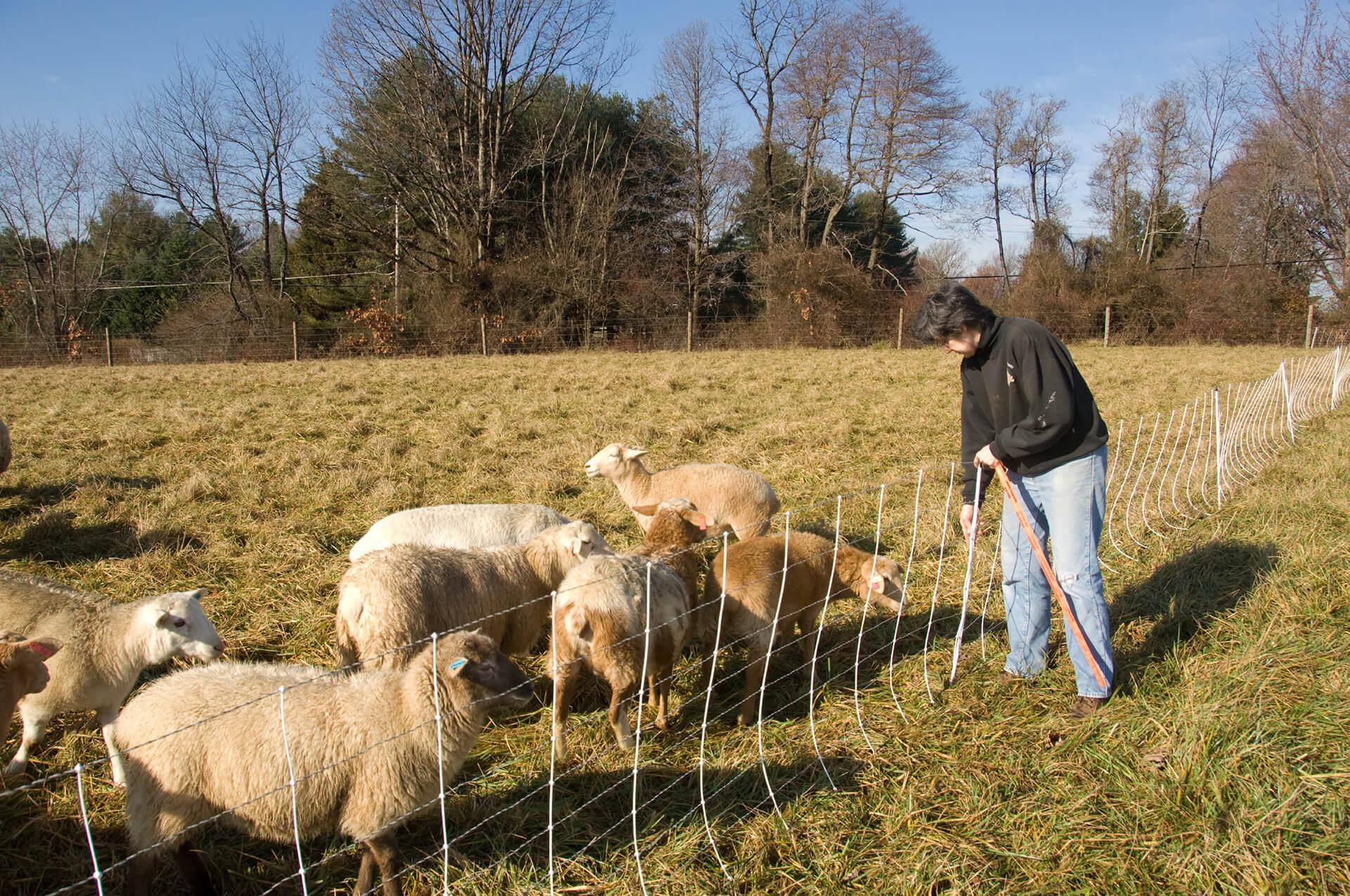
Maryland Farm Internships and Labor Laws
Authors:
Sarah Everhart
Many farms across Maryland use interns to lighten the overall farm workload and help young people gain practical farming knowledge. Although interns can be a welcome addition to a farm’s workforce, farm employers need to be aware of how to properly compensate interns and the legal consequences of adding them to the payroll.