
Updated: May 20, 2025
Using Thermochemical Processes to Handle Agricultural Waste (FS-2023-0688)
Thermochemical processing technologies can be used to reduce the volume of low moisture waste and produce heat, syngas for renewable energy production, biochar, or bio-oil, depending on the temperature and oxygen conditions used in processing. This Factsheet is part of the “Animal Waste Technology” series. Authors: Amro Hassanein, Stephanie Lansing, and Danielle Delp; Title: Using Thermochemical Processes to Handle Agricultural Waste (FS-2023-0688).
Updated: May 20, 2025
Anaerobic Digestion (EBR-2023-0686)
Anerobic digestion uses natural microorganisms to produce renewable energy in the form of electricity, heating, or vehicle fuel. Anaerobic digestion occurs inside a sealed reactor called a digester and reduces odors and greenhouse gas emissions. This Fact Sheet is part of the ‘Animal Waste Technology’ series. Authors: Amro Hassanein, Stephanie Lansing, and Danielle Delp; Title: Anaerobic Digestion (EBR-2023-0686).
Updated: May 20, 2025
Anaerobic Digestion: Basic Processes for Biogas (FS-994)
Anaerobic digestion is a process where anaerobic bacteria break down organic material to produce biogas. This process occurs naturally in various environments and can be used in anaerobic digesters to treat and dispose of waste, generate biogas, and destroy pathogens. The biogas produced consists mainly of methane and carbon dioxide, with trace levels of other gases. Authors: Gary Felton, Stephanie Lansing, Andrew Moss, and Katherine Klavon; Title: Anaerobic Digestion: Basic Processes for Biogas (FS-994).
Updated: May 20, 2025
Reducing Greenhouse Gas Emissions through Improved Manure Management (FS-2023-0689)
The greenhouse gas emissions from manure storage and emissions reductions that could be realized through implementation of three animal waste technologies (anaerobic digestion, composting, and thermochemical processing) are presented. This Factsheet is part of the “Animal Waste Technology” series. Authors: Amro Hassanein, Stephanie Lansing, and Danielle Delp; Title: Reducing Greenhouse Gas Emissions through Improved Manure Management (FS-2023-0689).
Updated: May 20, 2025
Environmental Justice in Agricultural Waste Management (EBR-2023-0690)
This fact sheet introduces environmental justice and describes how vulnerable communities, including racial and ethnic minorities, are impacted by the introduction of new waste management technology across Maryland's Eastern Shore. Author's: Eric Burnstein, Mimi Sanford, Priscilla Alves, Higor Costa, and Marccus Hendricks; Title: Environmental Justice in Agricultural Waste Management (EBR-2023-0690).
Updated: May 19, 2025
Maryland’s Nutrient, Animal Waste, and Technology Landscape (FS-2024-0737)
A culmination of recent research on Maryland’s livestock sector assesses nutrient production, management practices, and treatment technologies, highlighting areas where nutrient outputs exceed processing capacity to support informed policymaking, strategic investments, and public awareness. Authors: Lillian Masson, Elizabeth Thilmany, Stephanie Landsing, and Derek Wietelman; Title: Maryland’s Nutrient, Animal Waste, and Technology Landscape (FS-2024-0737).
Updated: January 15, 2021
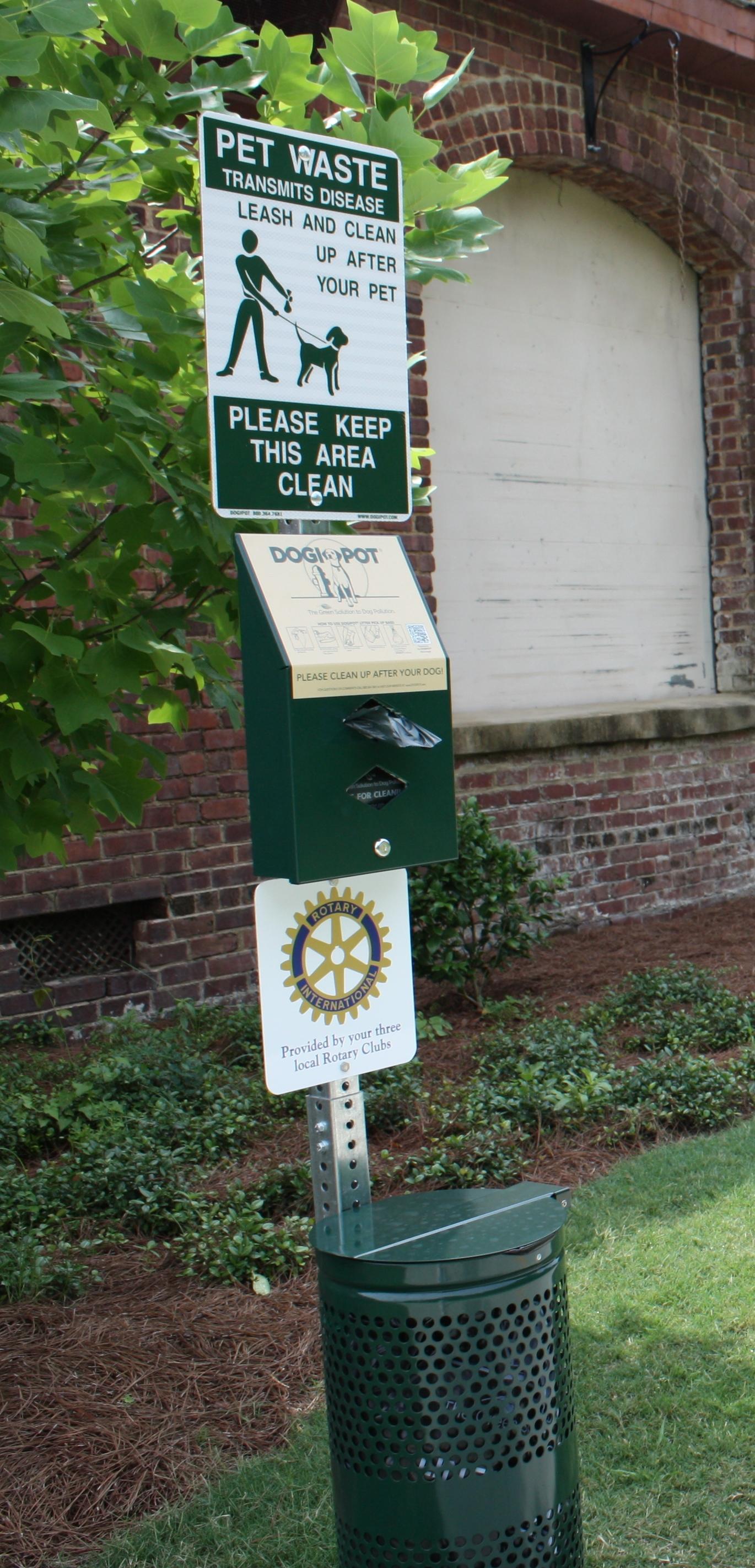
Install a Pet Waste Station
Authors:
Krisztian Varsa
When disposed of improperly, pet waste can be a source of water pollution because it contains diseases and bacteria. When precipitation falls on pet waste, bacteria and diseases are picked up and carried to local waterways and eventually the Chesapeake Bay. The pollution caused by unscooped pet waste affects both wildlife and humans – diseases associated with pet waste can cause illness and even death in people with weakened immune systems.