Aquafarming

Sort by:
Updated: October 23, 2024

How to Build a Low-Cost, Small-Scale Aquaponic System (EM-2023-0698)


Aquaponics is a soilless farming method that combines aquaculture and hydroponics. By combining the two methods the user achieves a mutually beneficial system of plant and fish production that can produce high-yield crops with limited space and water. This factsheet is a step-by-step guide to building a small aquaponics system using repurposed Intermediate Bulk Container (IBC) and parts easily found online or at your local aquarium and hardware stores. Do-it-yourself construction may save farmers money on startup costs and may provide a system with which they can learn and practice aquaponic methods before investing in larger or commercial-scale systems. Authors: Andrea Franchini, Jose-Luis Izursa, Neith Grace Little; Title: How to Build a Low-Cost, Small-Scale Aquaponic System
Updated: October 21, 2024

Methods for the Detection of Vibrio Species


Vibrio bacteria naturally inhabit coastal waters and are frequently isolated from a variety of raw seafood, particularly oysters. Detection of Vibrio species in seafood and growing water has traditionally been problematic because of the limitations of conventional techniques based on plate culture methods. Moreover, no culture method is able to discriminate pathogenic populations. In order to provide education and training to individuals involved in seafood testing, a hands-on training course has been developed and offered through cooperative efforts of University of Maryland Extension (UME) and University of Maryland’s Joint Institute of Food Safety and Applied Nutrition (JIFSAN). The methods described in this manual are designed for detection and enumeration V. parahaemolyticus, V. vulnificus, and V. cholerae in oysters. The analytical methods are combination of procedures from the Food and Drug Administration (FDA) Bacteriological Analytical Manual (BAM) and other sources, and have been used as training protocols for the hands-on training course on Vibrio Detection.
Updated: June 24, 2022

Considerations for Shell Use in Oyster Rehabilitation Assessing the Effectiveness of Multiple Options (FS-1140)
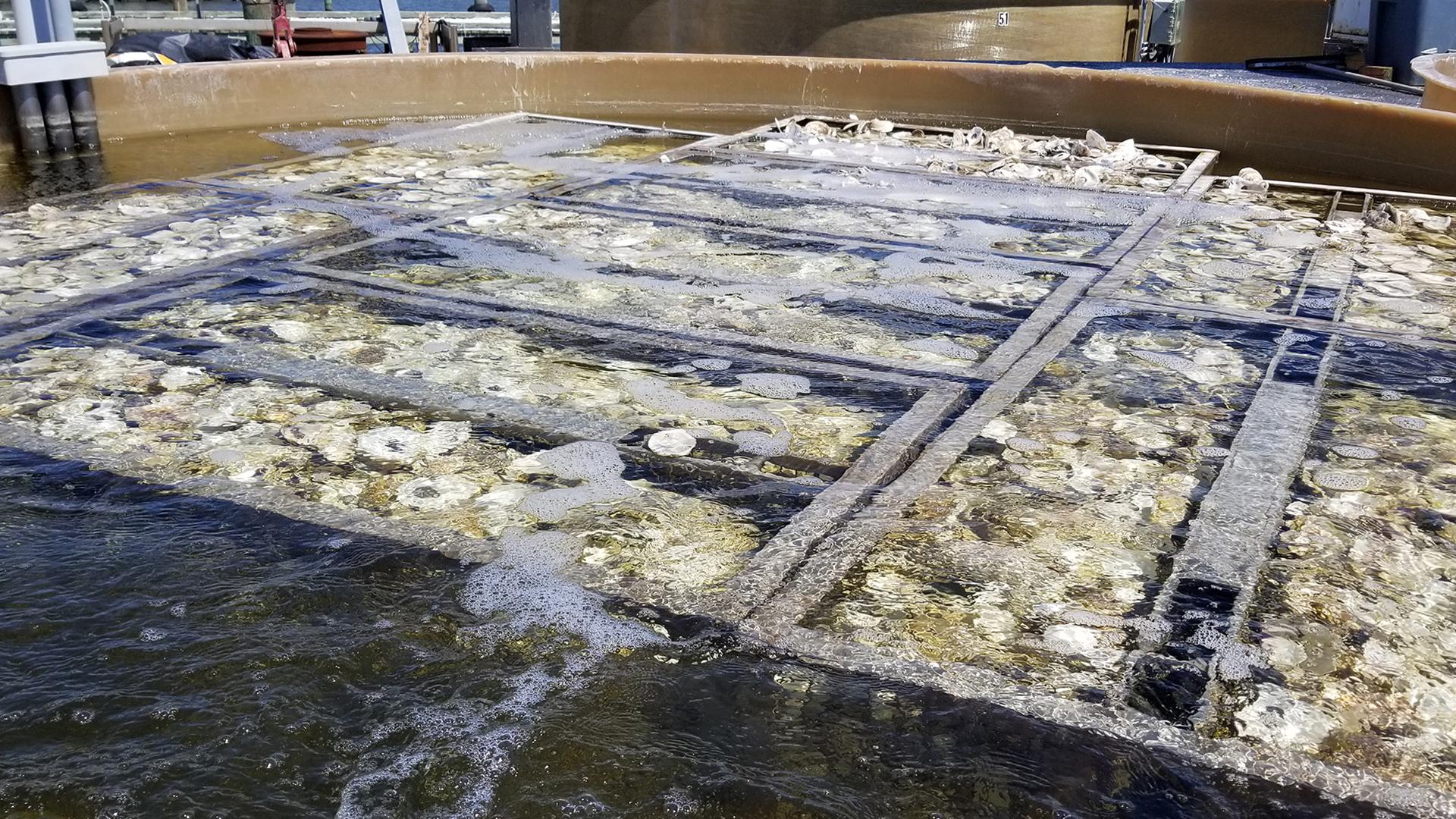
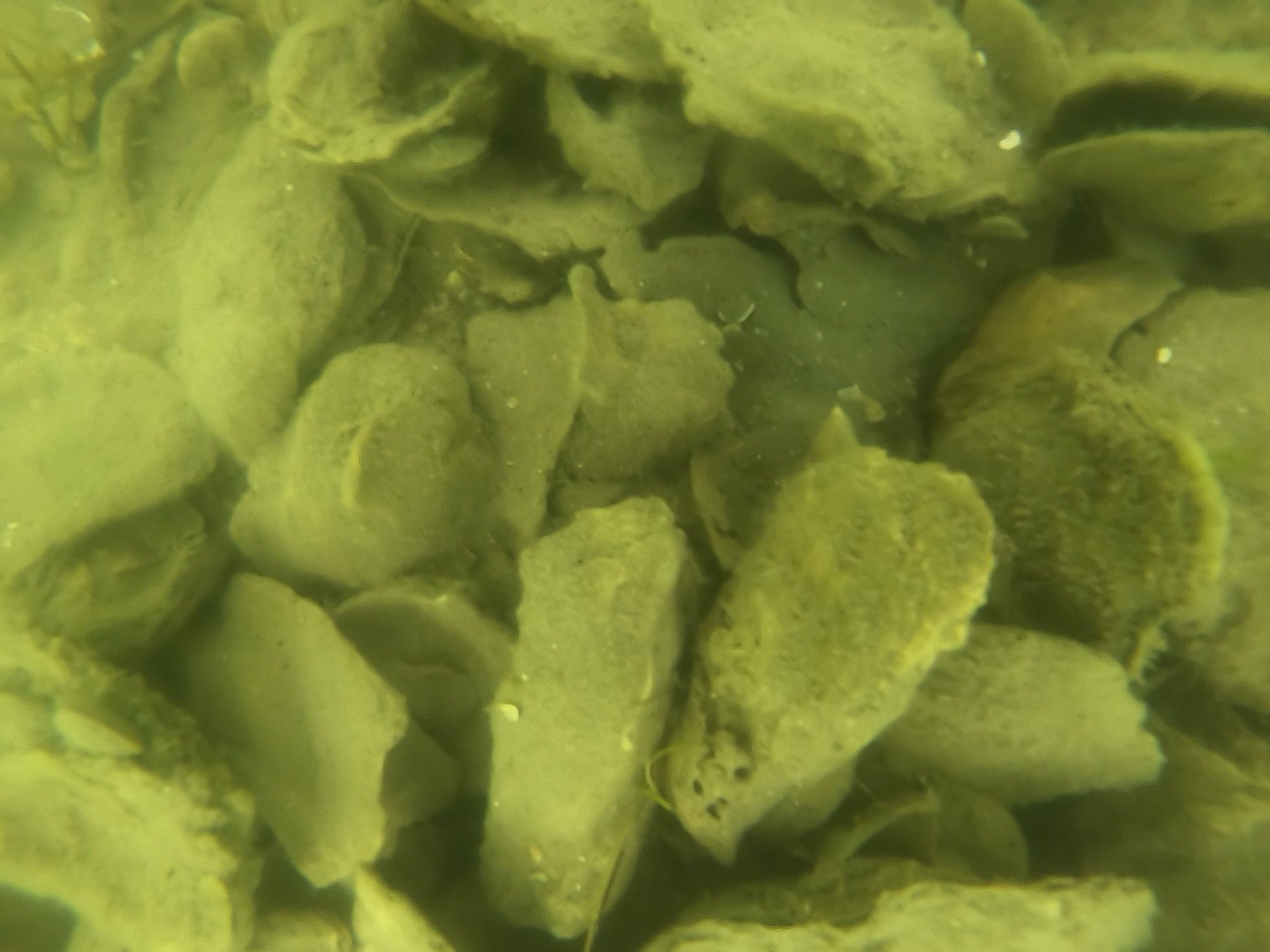
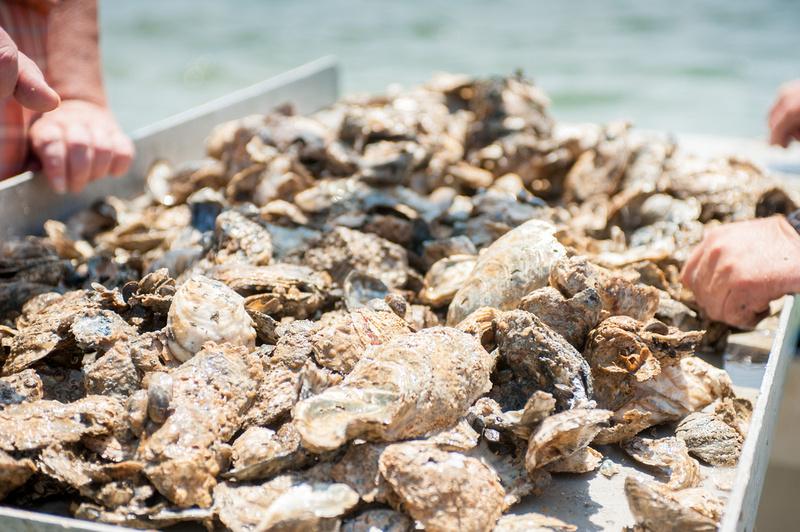
There has been much concern regarding the precipitous decline in Mid-Atlantic oyster production, with various groups attempting to place blame and espouse causes. However, it is instructive to veer away from traditional arguments to compare oysters with traditional agricultural crops for a different view of the problem and a vision for potential solutions. Comparing the production of oysters with other crops allows us to examine how those have been managed over time to increase production. The United States today is considered a world leader in food production. Taking lessons from that development and applying them to oysters could help guide the restoration of the industry that once flourished. Authors: Donald Webster and Donald Meritt; Title: Considerations for Shell Use in Oyster Rehabilitation Assessing the Effectiveness of Multiple Options (FS-1140)