Skip to main content
Menu
Get Involved
Give
Contact
Ask Extension
About
Leadership
UMD Extension Impact
Careers
Directory
Civil Rights Compliance
Extension Advisory Council and Committees
Program and Organizational Development
Resources
Animal Agriculture
Plant Agriculture
Yard & Garden
Pests
Natural Resources
Environment & Energy
Agribusiness Management
Food & Nutrition
Health & Well-Being
4-H & Youth Education
Programs
4-H Youth Development
Family & Consumer Sciences
Agriculture & Food Systems
Environment & Natural Resources
Home & Garden Information Center
Locations
Publications
News & Events
All News
Events
Forest Health
Home
Resources
Forest Health
For full functionality of this site it is necessary to enable JavaScript. Here are
instructions for how to enable JavaScript in your web browser
.
Sort by:
Date
Title
Updated: February 15, 2023
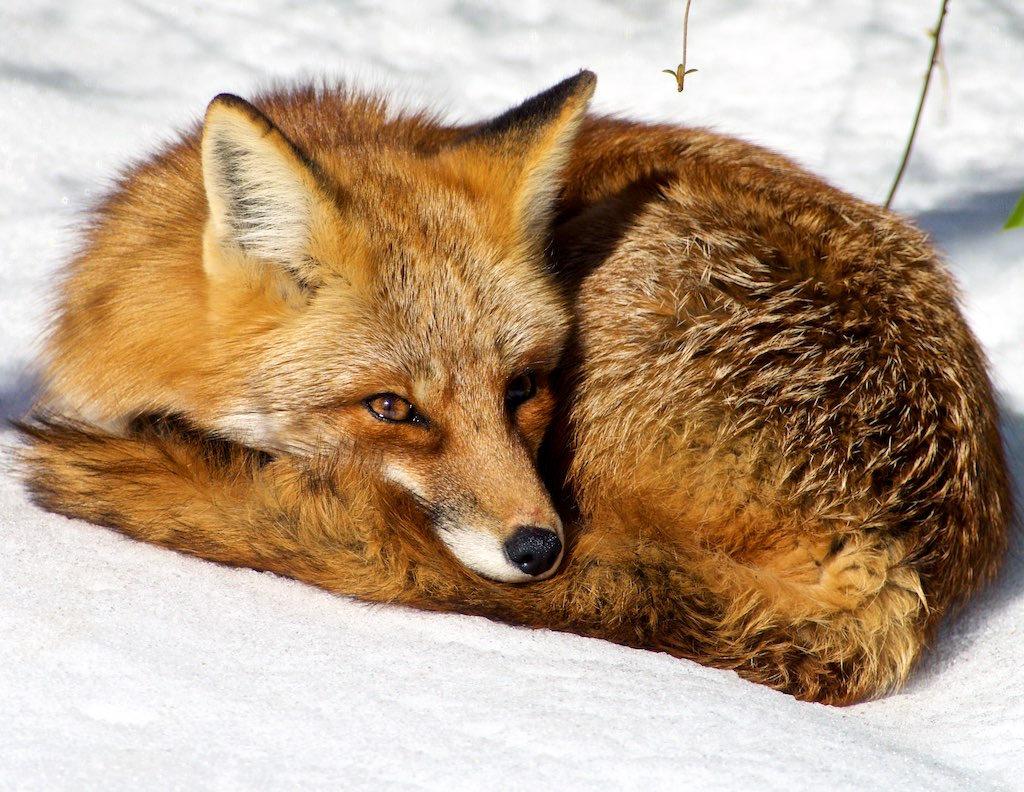
Woodland Wildlife Spotlight: American Beaver
The American beaver was almost hunted to extinction in Maryland and across the continent. Read about this nocturnal herbivore that scientists are helping to conserve, and that in return, are discovering the benefits of having beavers in a variety of ecosystems in need of help.
Updated: January 24, 2023
Branching Out - Winter 2021
Registration for the spring session of "The Woods in Your Backyard" online course is now open. Our Regular features include the Woodland Wildlife Spotlight, Invasives in Your Woodland, our events calendar, and the Brain Tickler challenge.
Updated: November 15, 2022
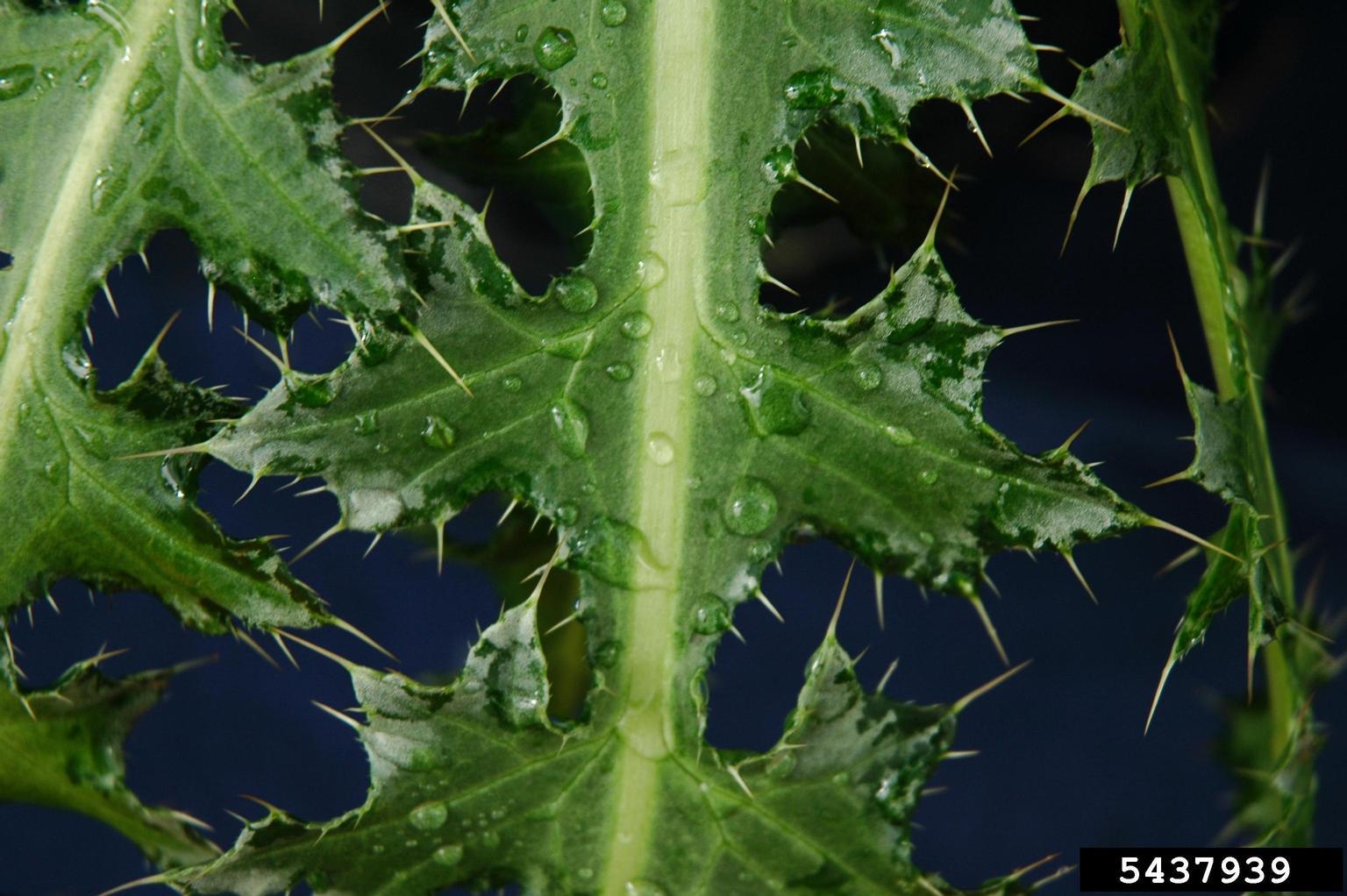
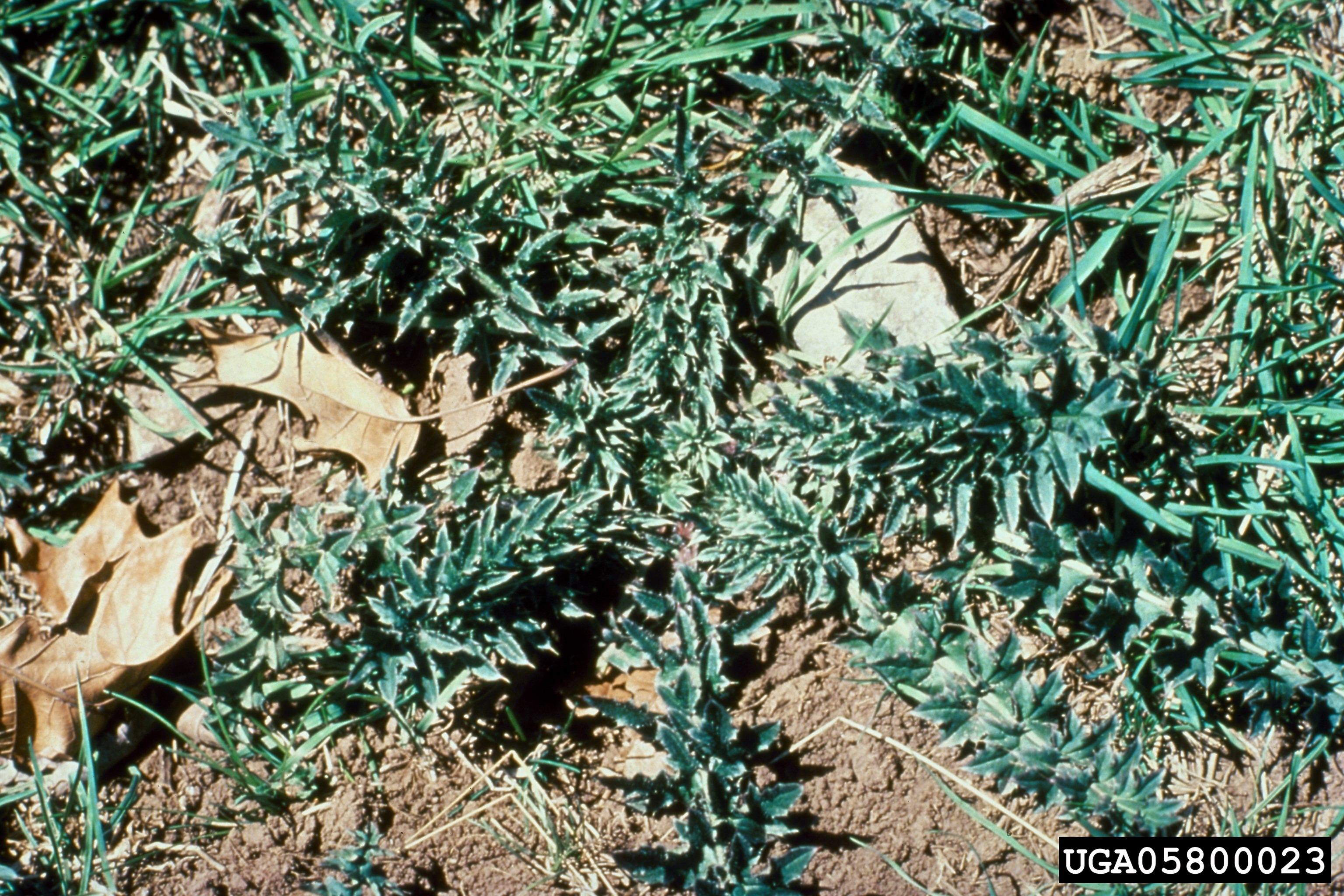
Invasives in Your Woodland: Bull Thistle
In this issue, we look at bull thistle. It's a widespread invasive found throughout Maryland, where it has been declared a noxious weed.
Updated: November 15, 2022
Invasives in Your Woodland: Musk Thistle
In this issue, we look at musk thistle, also known as "nodding thistle," one of four invasive thistles classified as a noxious weed by the Maryland Department of Agriculture. Each plant can spread over 100,000 seeds.
Updated: November 15, 2022
Invasives in Your Woodland: Plumeless Thistle
In this issue, we look at plumeless thistle, also known as "spiny plumeless thistle." Its presence in Maryland might be more widespread than some reports suggest.
Updated: November 11, 2022
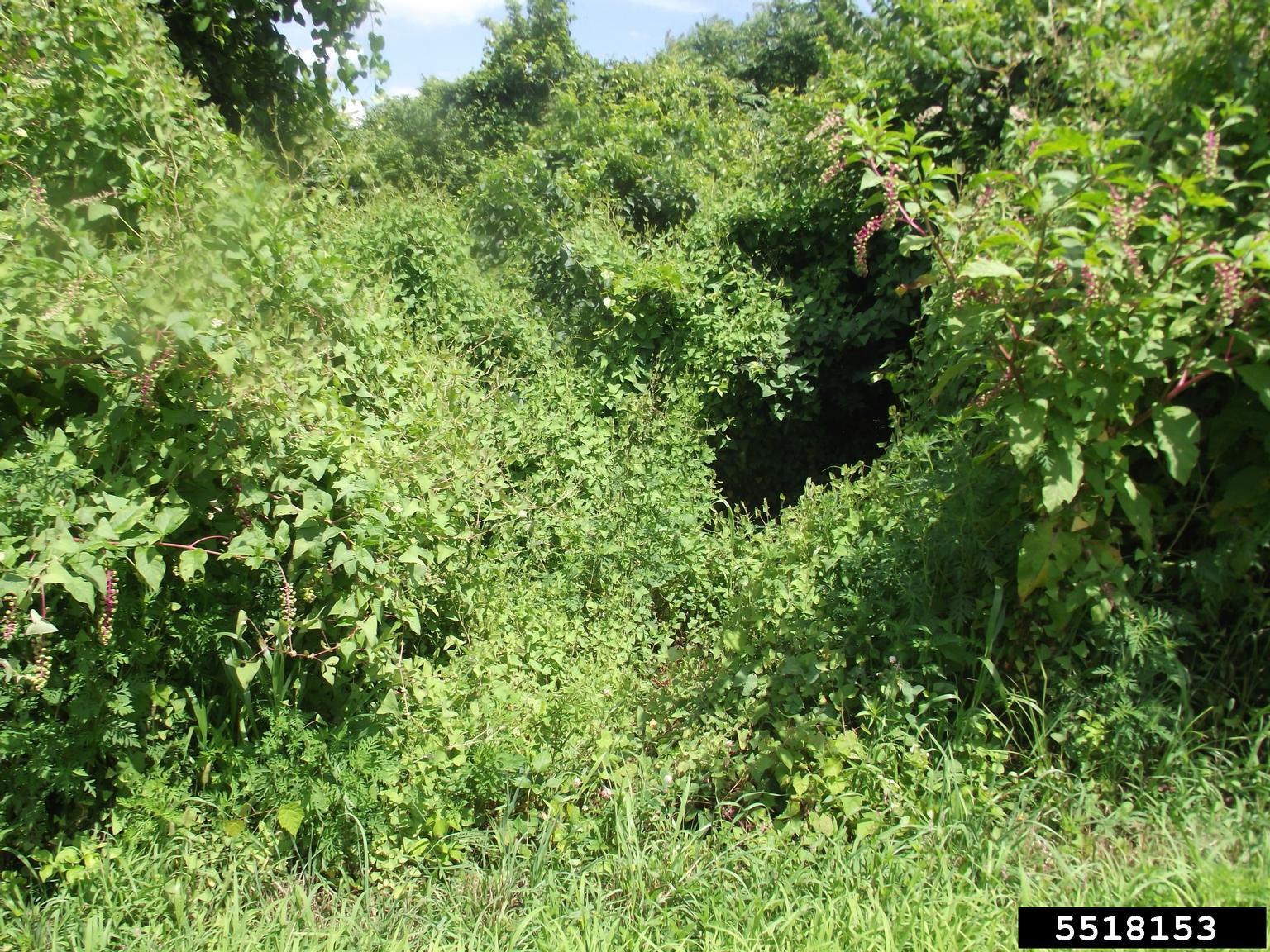
Invasives in Your Woodland - Mile-a-minute
Mile-a-minute is a vigorous invasive that may only have just begun to spread in the United States. One estimate surmises that it is only found in 20% of its potential range in this country.
Updated: September 14, 2022
FAQs: Forest Ecology and Management
Listed are some of the most common questions related to forest ecology and forest management.
Updated: August 22, 2022
Branching Out - Summer 2017
Read our features Woodland Wildlife Spotlight, Invasives in Your Woodland, and the Brain Tickler challenge. There's also news about the state Tree Farmer of the Year and much more.
Updated: August 22, 2022
Branching Out - Spring 2017
Twenty-five years of "Branching Out" - read how it all started. Plus, read our "Woodland Wildlife Spotlight" and "Invasives in Your Woodland," and take the Brain Tickler challenge. This and much more inside this issue.
Updated: August 22, 2022
Branching Out - Fall 2017
This issue features Invasives in Your Woodlands, the Woodland Wildlife Spotlight, the Brain Tickler, and woodland stewardship news from around the region.
First
Previous
…
Page
10
Page
11
Page
12
Page
13
Current page
14
Page
15
Page
16
Page
17
Page
18
…
Next
Last