Skip to main content
Menu
Get Involved
Give
Contact
Ask Extension
About
Leadership
UMD Extension Impact
Careers
Directory
Civil Rights Compliance
Extension Advisory Council and Committees
Program and Organizational Development
Resources
Animal Agriculture
Plant Agriculture
Yard & Garden
Pests
Natural Resources
Environment & Energy
Agribusiness Management
Food & Nutrition
Health & Well-Being
4-H & Youth Education
Programs
4-H Youth Development
Family & Consumer Sciences
Agriculture & Food Systems
Environment & Natural Resources
Home & Garden Information Center
Locations
Publications
News & Events
All News
Events
Pasture
Home
Resources
Pasture
For full functionality of this site it is necessary to enable JavaScript. Here are
instructions for how to enable JavaScript in your web browser
.
Sort by:
Date
Title
Updated: July 25, 2025
Assessing Pastures in Preparation for Fall Pasture Renovation
Assessing Pastures in Preparation for Fall Pasture Renovation
Updated: December 10, 2024
Agronomy News-August 2022
Agronomy News-August 2022, Volume 13, Issue 4. Topics in this issue are Small Grain Variety Trials, Palmer Amaranth Control in Organic Systems, Possible Changes to Atrazine Use, Japanese Stiltgrass Identification and Control, Sampling for Nematodes in Soybeans, Sprayer and Pesticide Twilight Meeting, Broiler Grower Settlements, New Rules for Processing Food Wastes and Residuals, Webinar: Solar On The Farm, Pasture and Grazing Workshops, Grain Market Report, Weather Outlook, and Regional Crop Reports.
Updated: November 1, 2024
Agronomy News-June 2021
Agronomy News is a statewide newsletter for farmers, consultants, researchers, and educators interested in grain and row crop forage production systems. The topic for this edition is Preemergence Herbicides, Mowing Pastures: To Mow or Not to Mow, Checking Vegetative Growth Stages, Summer Nutrient Management Tips, Wheat Yields & Double-Crops—Time is Important to Maximize Yield, New Extension Agent, 2021-2022 Cover Crop Sign-Up, LEAD Maryland Fellowship Applications, MDA Pesticide Exams, MDA Pesticide Disposal Program, Weather Outlook, and Regional Crop Reports.
Updated: October 24, 2024
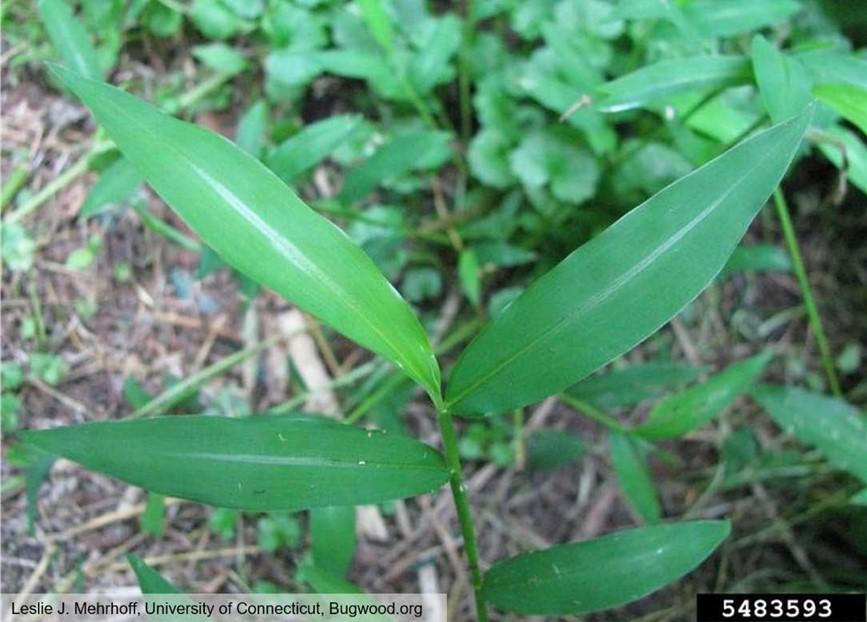
Japanese Stiltgrass Identification and Management
Now is the time to scout pasture and hay fields for Japanese stiltgrass and take note of its locations. This invasive grass is typically seen in wooded areas, but unfortunately has been creeping into fields. Once the seed heads start to form in another month or two, you’ll want to have the mower ready.
Updated: October 23, 2024
Fall Armyworm Alert: Scout Sod and Pastures!
A fall armyworm outbreak is occurring throughout Virginia, Kentucky, and Ohio. This week, we received a report of armyworm damage to sod from Maryland’s Eastern Shore as well as residential lawns in Lewes, Delaware. This appears to be one of the most significant armyworm flights in many years. Scout turf, sod, pasture grasses, any late sweet corn that has not yet headed, and when the time comes, small grain and cover crops. Females lay egg masses containing between 50 and 200 eggs, meaning damage can be localized and intense and that it does not take many moths to infest a field. It is important to catch an infestation as early as possible. Larvae consume 80% of their total intake during the last three days of larval development. Often, it is during this period or just after larvae have finished that damage is noticed, occurring seemingly overnight as if an army had stripped the field. It takes about 14-19 days for larvae to mature.
Updated: October 23, 2024
Managing Fall Armyworm in Pastures and Hayfields
Although fall armyworm (Spodoptera frugiperda) is a native pest to North America and a chronic pest in the southeastern US, reports of fall armyworm activity and outbreaks are unusually high this year. There are numerous reports of heavy fall armyworm activity coming out of Virginia, Kentucky, Indiana, Illinois, Ohio, and other states. In Maryland, there have been cases reported across much of the state so far, including Anne Arundel, Baltimore, Charles, Calvert, Frederick, Howard, Montgomery, Prince George’s, St. Mary’s, and Washington counties. Weather conditions have allowed fall armyworm to flourish this year, so producers are encouraged to be on the lookout for potential problems.
Updated: October 21, 2024
Drought Management and Recovery for Pastures and Hayfields
Discover essential strategies to navigate the challenges of drought management! This article provides valuable insights that can help you sustain your pastures and optimize your hayfields during dry conditions. Learn how to extend your forage supply, promote faster recovery, and safeguard your operations for a more resilient future. Don’t miss these practical tips—your livestock and land will thank you! Dive in to explore actionable solutions that can make a real difference!
Updated: August 6, 2024
Summer Grazing Management
This summer has certainly been hot and dry for many of us, which has reduced productivity of many cool-season perennial grass pastures. As we continue into the traditionally driest, hottest days of summer, there are management practices that can be implemented to maximize plant growth and protect pasture stands during these hot, dry periods.
Updated: March 23, 2023
Maryland Milk Moos-March 2023
The Maryland Milk Moos (March 23, 2023, Vol. 4, Issue 1) is a quarterly newsletter published by the University of Maryland Extension that is focused on dairy topics related to Nutrition and Production, Herd Management, and Forage Production. In this issue, we focus on antibiotic regulation changes, dietary supplements for cows, and spring weed control for pastures and hayfields.
Updated: March 23, 2023
Spring Weed Control for Pasture and Hayfields
As things are greening up this spring, you may notice a few not-so-friendly plants popping up around your fields, especially given the milder weather this past winter. If you haven’t already done so, now is the time to scout your pastures and hayfields in search of winter annual and biennial weeds. When it comes to weed control, timing of herbicide application critical and it is important to spray when weeds are most susceptible to achieve maximum effectiveness.
First
Previous
Page
1
Current page
2
Page
3
Next
Last