Skip to main content
Menu
Get Involved
Give
Contact
Ask Extension
About
Leadership
UMD Extension Impact
Careers
Directory
Civil Rights Compliance
Extension Advisory Council and Committees
Program and Organizational Development
Resources
Animal Agriculture
Plant Agriculture
Yard & Garden
Pests
Natural Resources
Environment & Energy
Agribusiness Management
Food & Nutrition
Health & Well-Being
4-H & Youth Education
Programs
4-H Youth Development
Family & Consumer Sciences
Agriculture & Food Systems
Environment & Natural Resources
Home & Garden Information Center
Locations
Publications
News & Events
All News
Events
Tomatoes
Home
Resources
Tomatoes
For full functionality of this site it is necessary to enable JavaScript. Here are
instructions for how to enable JavaScript in your web browser
.
Sort by:
Date
Title
Updated: October 23, 2024
Tomato Ripening Problems and Cucumber Beetles
Several growers have complained that their second set of tomatoes is catfaced or are deformed and ripening poorly. Their first set of tomatoes looked good, but the second set is having problems in scattered areas throughout the field.
Updated: October 23, 2024
Stink Bug Damage Common in Tomatoes This Year (2013)
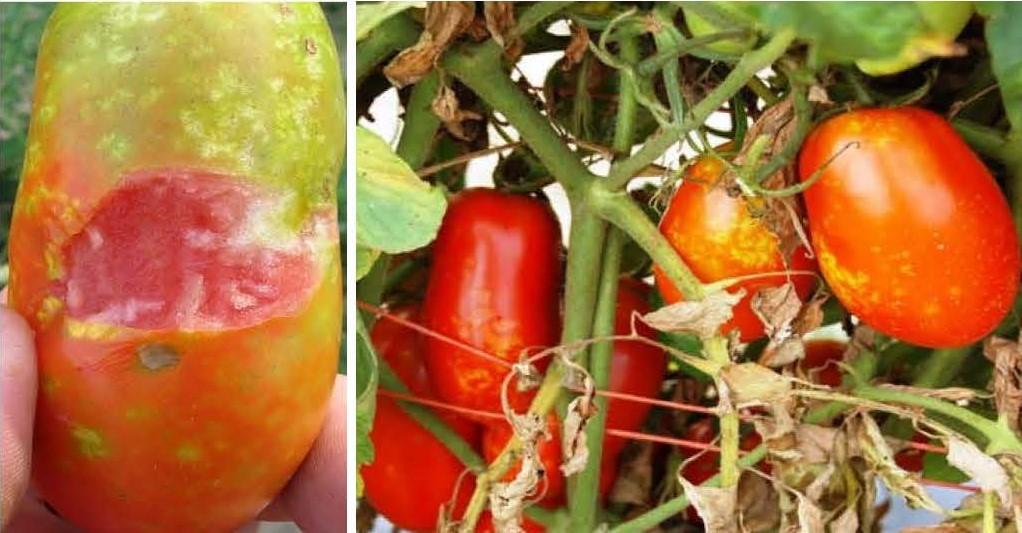
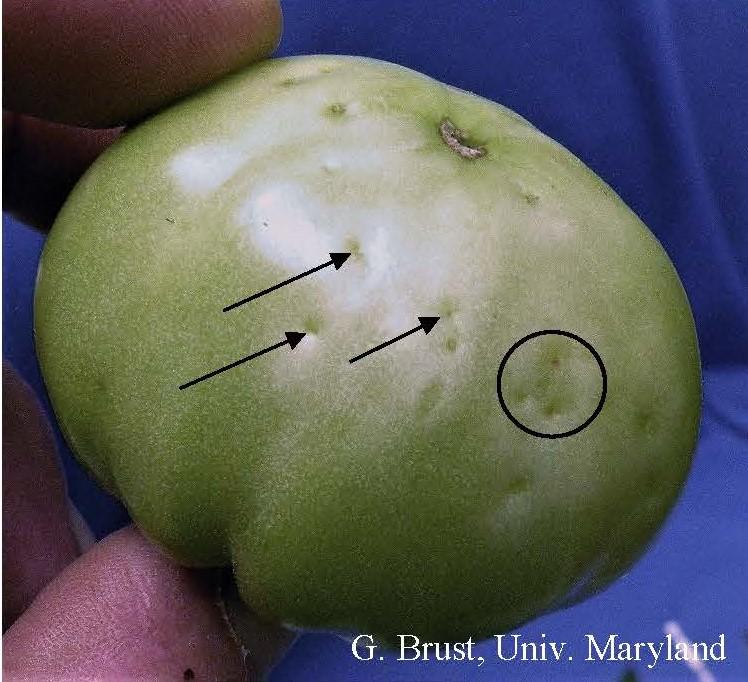
This has been a bad year for stink bug damage in tomatoes. Just about every field I walk into has at least some damage while others have moderate to heavy damage (>20% tomatoes not marketable). Cloudy spot of tomato fruit is caused by the feeding of various species of stink bug (SB). On green fruit the damage appears as whitish areas with indistinct borders (Fig. 1).
Updated: October 23, 2024
Stinkbug Damage Found in Tomato Fields
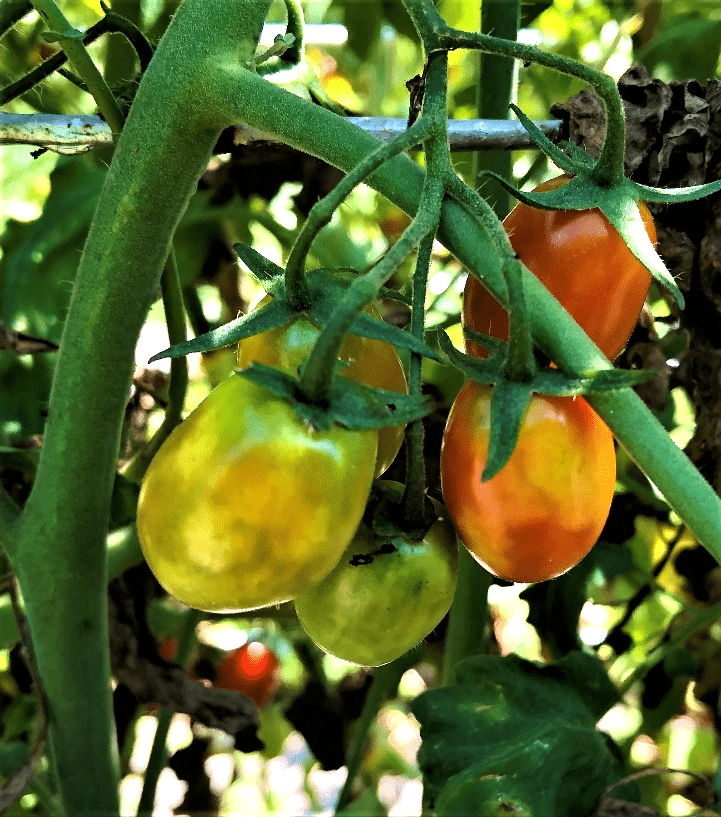
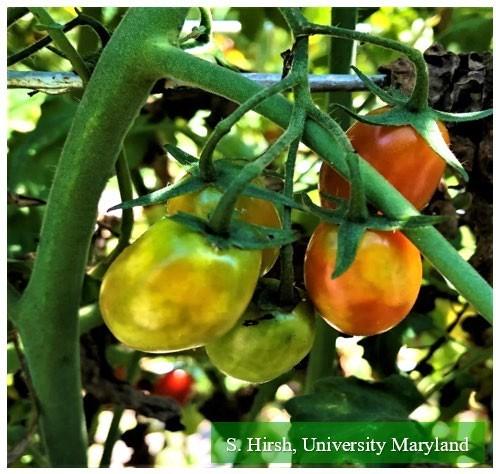
I have seen and have gotten reports of (and some really nice pictures of) stinkbug damage in tomatoes over the past few weeks from all over Maryland including the Eastern Shore. Stinkbug feeding damage is called cloudy spot in tomato fruit (fig. 1). It occurs when the adult or immature stinkbug puts its needle-like mouth parts into the fruit and removes material from a large number of cells. On green fruit the damage appears as whitish areas with a black dot in the center and indistinct borders (fig. 2) on ripe fruit the spots are golden yellow (fig. 1).
Updated: October 23, 2024
Transmission of the Yeast Eremothecium Coryli to Fruits and Vegetables by the Brown Marmorated Stink Bug
The Brown marmorated stink bug (BMSB) Halyomorpha halys (Figs. 1 and 1a) was accidentally introduced into the United States in shipping containers arriving from Asia. The first confirmed specimen was collected in Allentown, PA in October 2001, although there is evidence that it was collected from black light traps in New Jersey as early as 2000.
Updated: October 23, 2024
Managing Some Hard to Control Vegetable Pests of the mid-Atlantic Region
Over the last 4-5 years I have received calls and emails from growers about insect pests that they cannot seem to control as well as they had in the past. This presentation is going to look at some of the top vegetable pests that growers in the mid-Atlantic have had problems with and some ways to mitigate those problems.
Updated: October 23, 2024
Feeding Damage by Blister Beetles
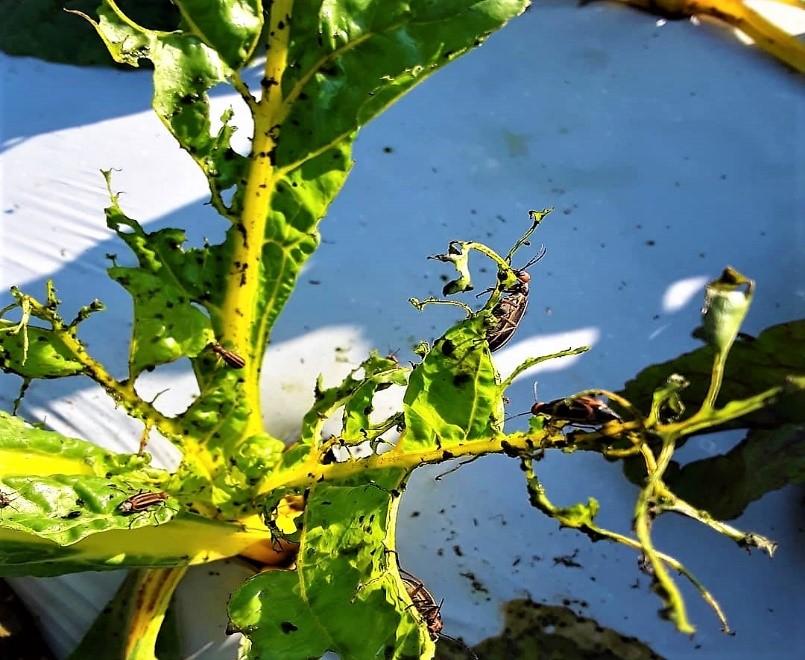
Normally at this time of year when I talk about any insect problems in crucifers I talk about harlequin bugs that feed by sucking out plant juices and inject toxins into the plant. But I have seen several fields and even some high tunnels with blister beetles feeding and defoliating several different vegetables such as tomato (including the fruit), leafy greens, crucifers, spinach and especially swiss chard (fig. 1). Blister beetles begin feeding on the edges of leaves eventually leaving only stems (fig. 1). The presence of blister beetles now is not unusual as they are often found in large clusters in late summer-early fall. They can arrive in large groups, seemingly overnight and can do a great deal of damage in a short period of time.
Updated: October 23, 2024
Stinkbug Damage Found in Tomato Fields
I have seen and have gotten reports of stinkbug damage in tomatoes over the past few days. Stinkbug feeding damage is called cloudy spot in tomato fruit (fig. 1). It occurs when the adult or immature stinkbug puts its needle- like mouth part into the fruit and removes material from a large number of cells.
Updated: October 23, 2024
Vegetable and Fruit News-July 2021
Fruit and Vegetable News, Volume 12, Issue 4 (July 15, 2021)
Updated: October 22, 2024
Odd Symptoms in Tomato Plants Turn Out to be Viruses
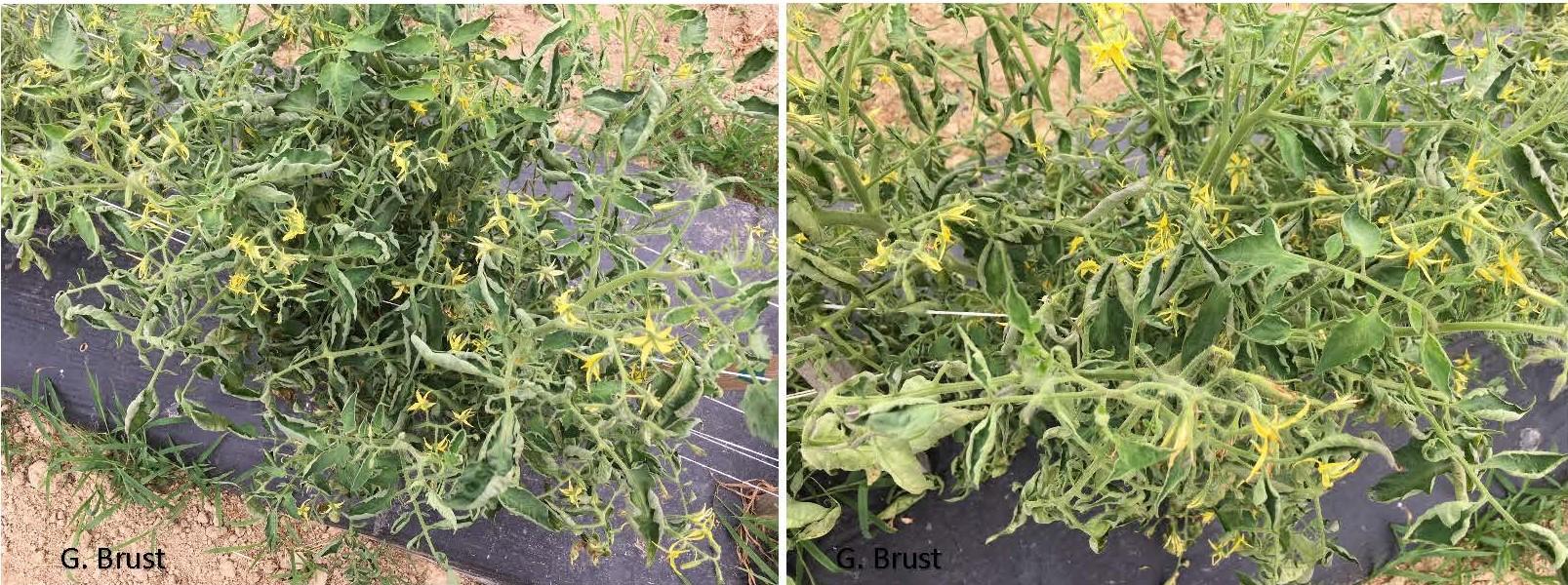
In figure 1 you can see tomato plants that look a bit squirrely. I thought it was possibly herbicide or virus or nutrient problems. After eliminating the first and third we had the plants tested for a battery of viruses. There were 3 viruses found in the plants. The most unusual one was the Pepino mosaic virus, which belongs to the Potexviruses. This virus is very easily transmitted mechanically and has a low seed transmission rate. Seed transmission occurs at rates of less than one in a thousand when seed is not properly cleaned. The virus is external, contaminating the seed coat and not the embryo or endosperm.
Updated: October 22, 2024
Spotted Wilt Virus in Tomatoes
A couple of high tunnels and even a field of tomatoes have been found with tomato spotted wilt virus in Maryland. The high tunnel finds were not too suprising but the field was a bit as we usually do not see field infections until later in the season.
First
Previous
Page
1
Current page
2
Page
3
Page
4
Page
5
Page
6
Page
7
Next
Last