Skip to main content
Menu
Get Involved
Give
Contact
Ask Extension
About
Leadership
UMD Extension Impact
Careers
Directory
Civil Rights Compliance
Extension Advisory Council and Committees
Program and Organizational Development
Resources
Animal Agriculture
Plant Agriculture
Yard & Garden
Pests
Natural Resources
Environment & Energy
Agribusiness Management
Food & Nutrition
Health & Well-Being
4-H & Youth Education
Programs
4-H Youth Development
Family & Consumer Sciences
Agriculture & Food Systems
Environment & Natural Resources
Home & Garden Information Center
Locations
Publications
News & Events
All News
Events
Invasive Woody Plants
Home
Resources
Invasive Woody Plants
For full functionality of this site it is necessary to enable JavaScript. Here are
instructions for how to enable JavaScript in your web browser
.
Sort by:
Date
Title
Updated: June 17, 2025
Invasives in Your Woodland: Callery Pear (updated 2025)
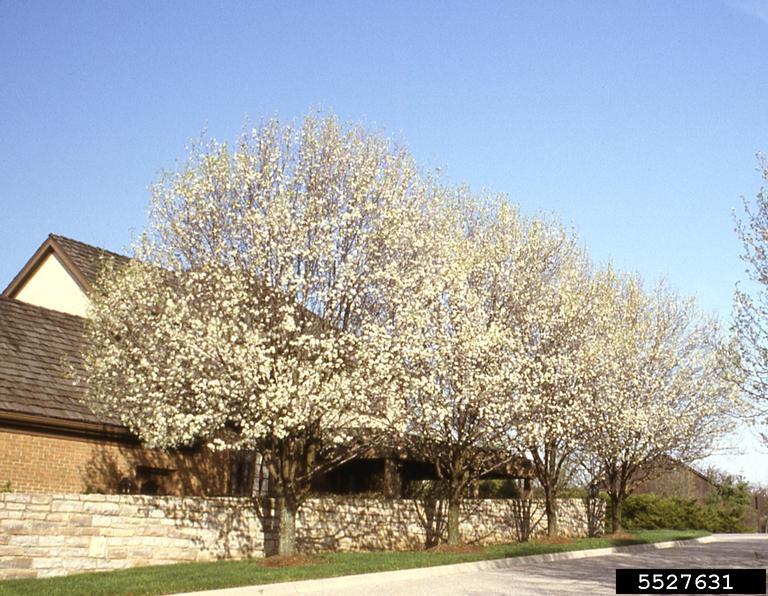
Drive along many of Maryland’s major roads in the spring, and you will see what seems like a wall of white, as the Callery pear (and its offshoot, the Bradford pear) are in bloom. While these may be an impressive sight, these trees are an invasive and highly competitive species.
Updated: June 16, 2025
Invasives in Your Woodland: Norway Maple
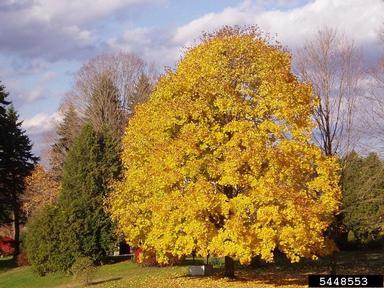
The Norway Maple is so conspicuous throughout the United States that it is often easy to forget that it is an introduced species that can adversely affect the environment.
Updated: October 23, 2024
Branching Out - Winter 2023
In this issue: Help us learn more about our readers and subscribers by taking our short survey. Read about a potential ally in the fight against hemlock wooly adelgid, and how Marylanders can get a rebate for planting native trees. There's information about our spring session of "The Woods in Your Backyard" online course, plus our regular features: the "Woodland Wildlife Spotlight" looks at the American beaver and "Invasives in Your Woodlands" looks at Princess tree. And don't forget the events calendar and the Brain Tickler challenge.
Updated: August 10, 2023
Invasive Tree Control
How to manage invasive trees.
Updated: February 22, 2023
Invasive Shrub Control
How to manage invasive shrubs.
Updated: May 4, 2022
Invasives in Your Woodland: Japanese Privet
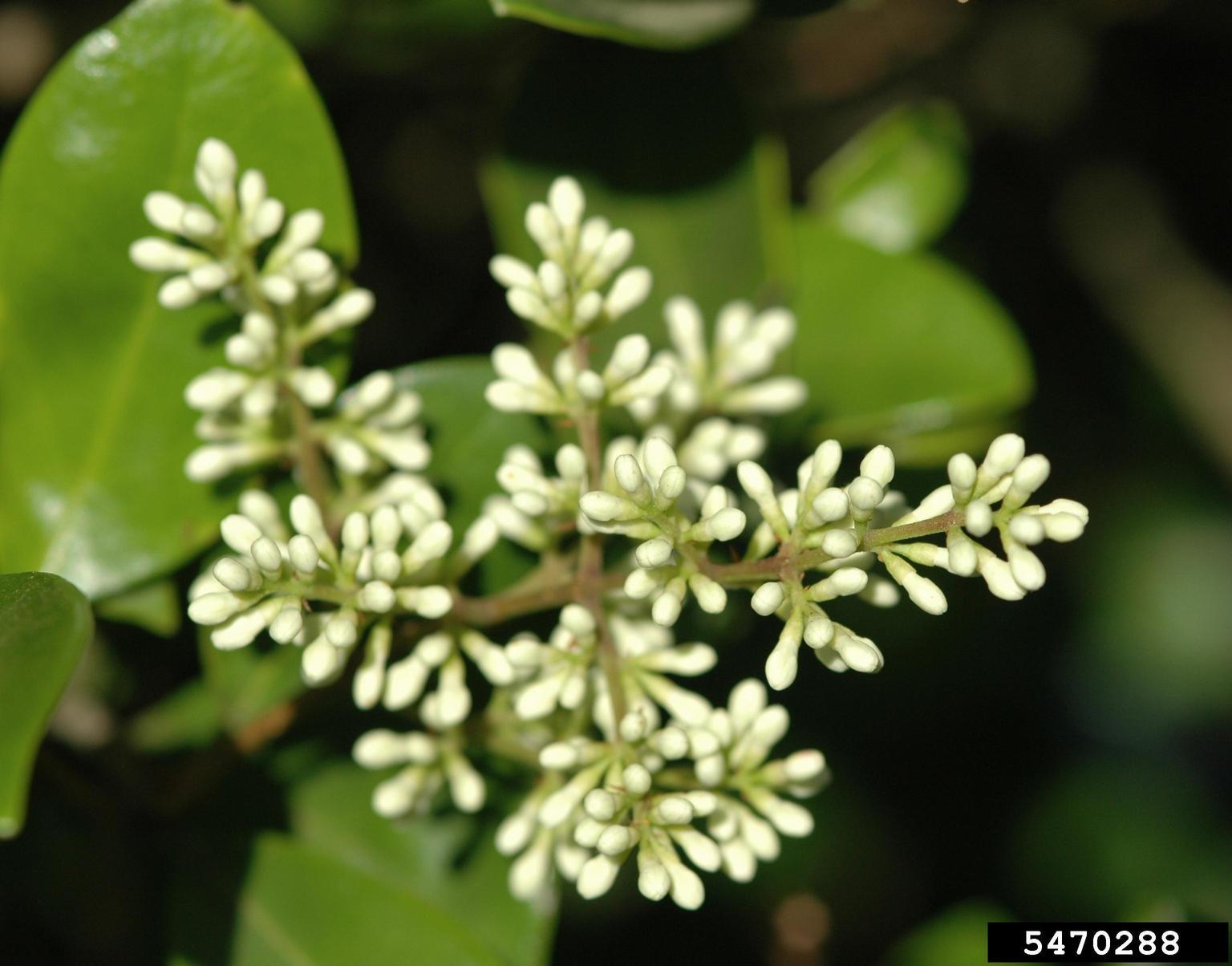
Japanese privets are less common than other privets that are more widespread across the eastern U.S. Reported sightings in the mid-Atlantic are sparse, but it may be more widespread, based on its continued use in landscaping.
Updated: May 4, 2022
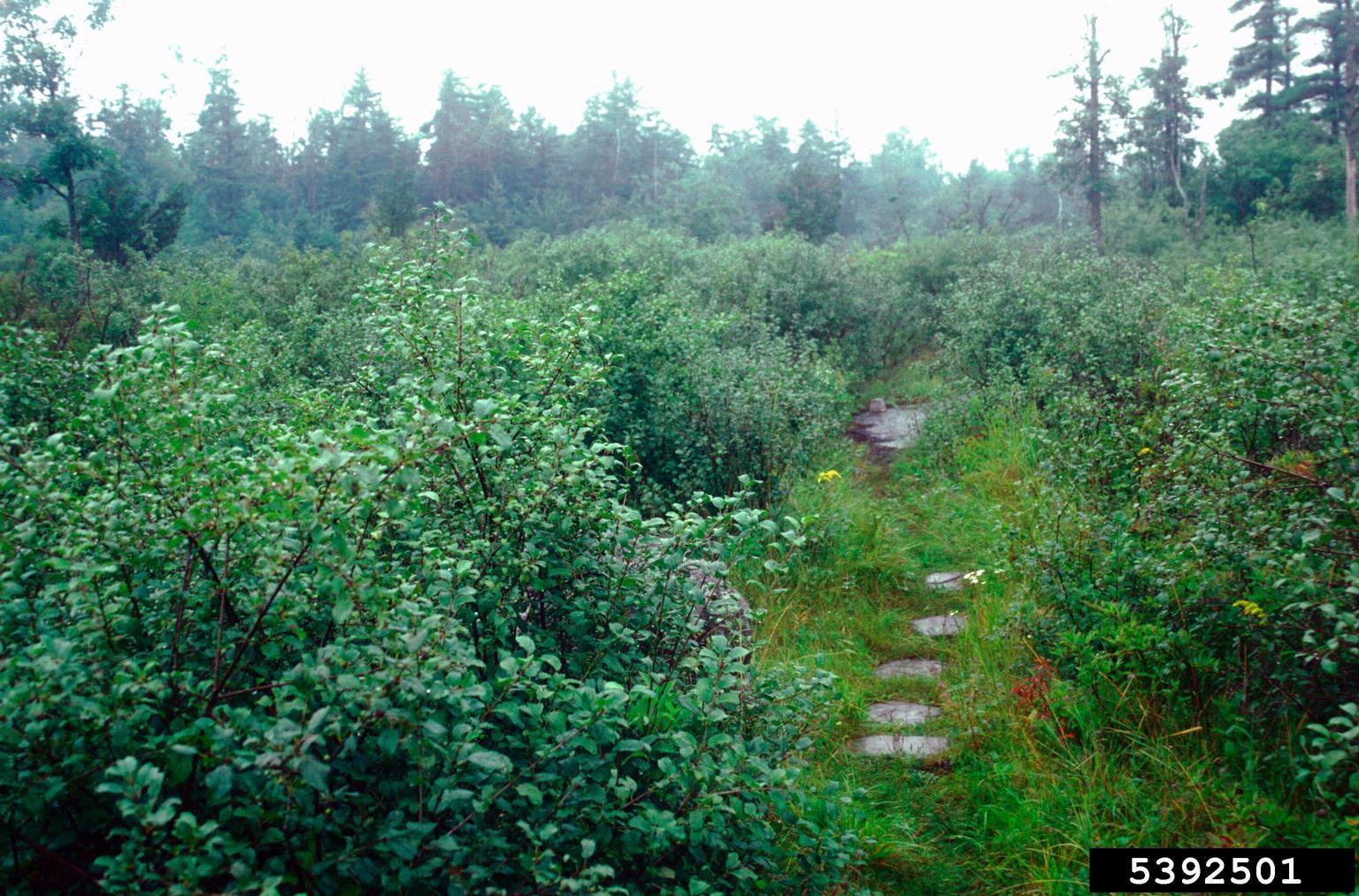
Invasives in Your Woodland - European Buckthorn
European buckthorn is a native of Europe and was introduced here as an ornamental plant, perhaps as early as the late 1700s. In the 1900s, it was planted widely to form living fence rows and for wildlife habitat. Since then, it has spread aggressively into a variety of environments.
Updated: May 3, 2022
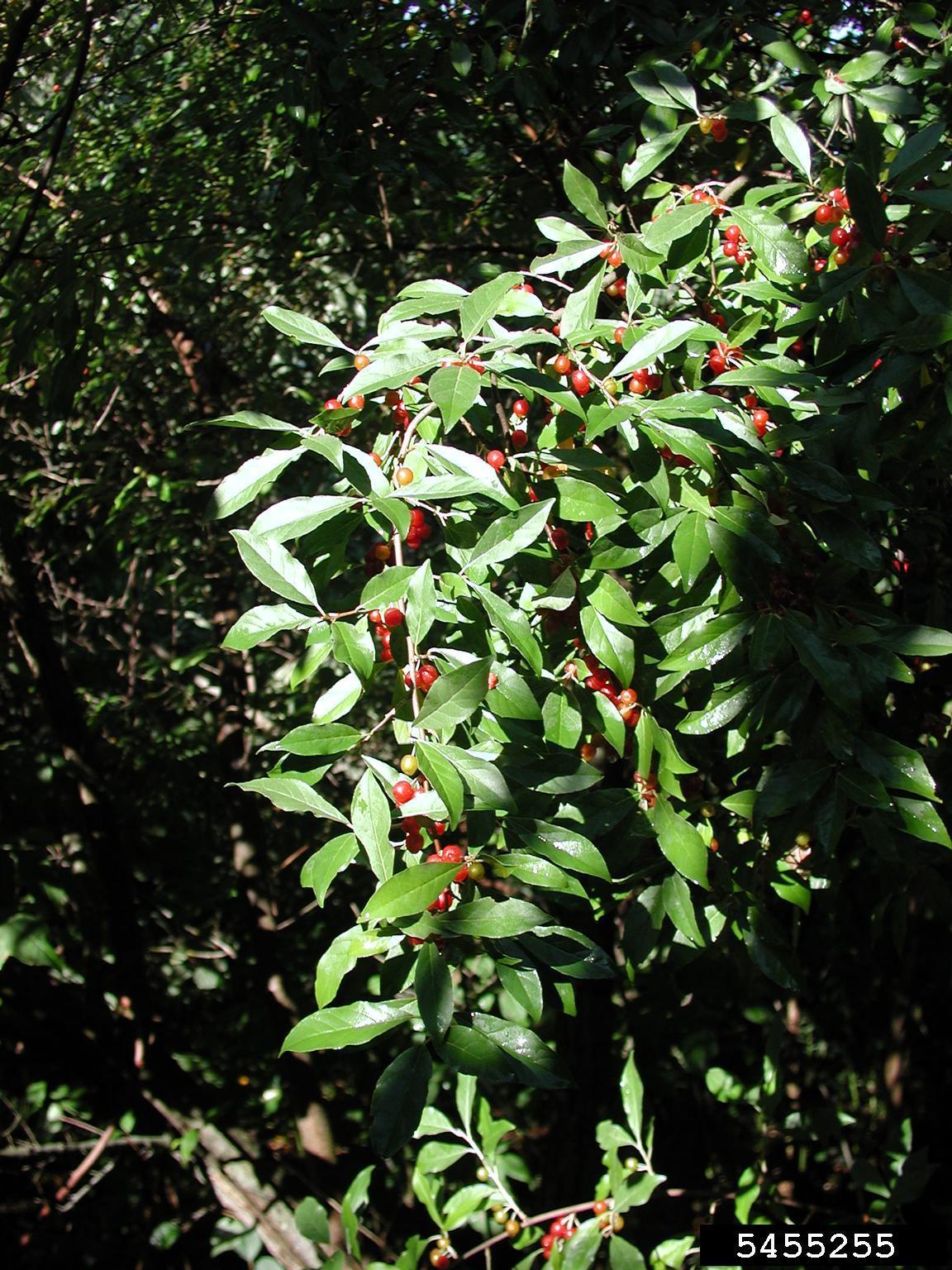
Invasives in Your Woodland: Autumn Olive
Autumn olive is now considered an invasive plant species for a variety of reasons. While it is not illegal to sell the plant in every jurisdiction where it exists, many natural resources management agencies and organizations discourage property owners from further planting.
Updated: May 3, 2022
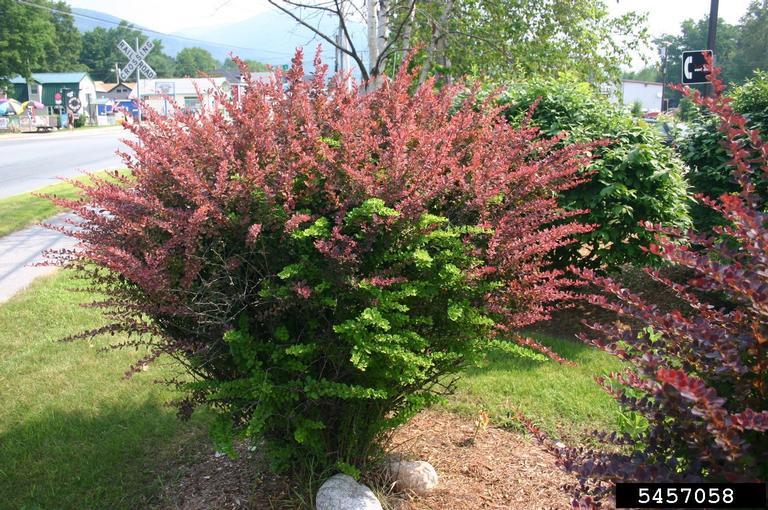
Invasives in Your Woodland: Japanese Barberry
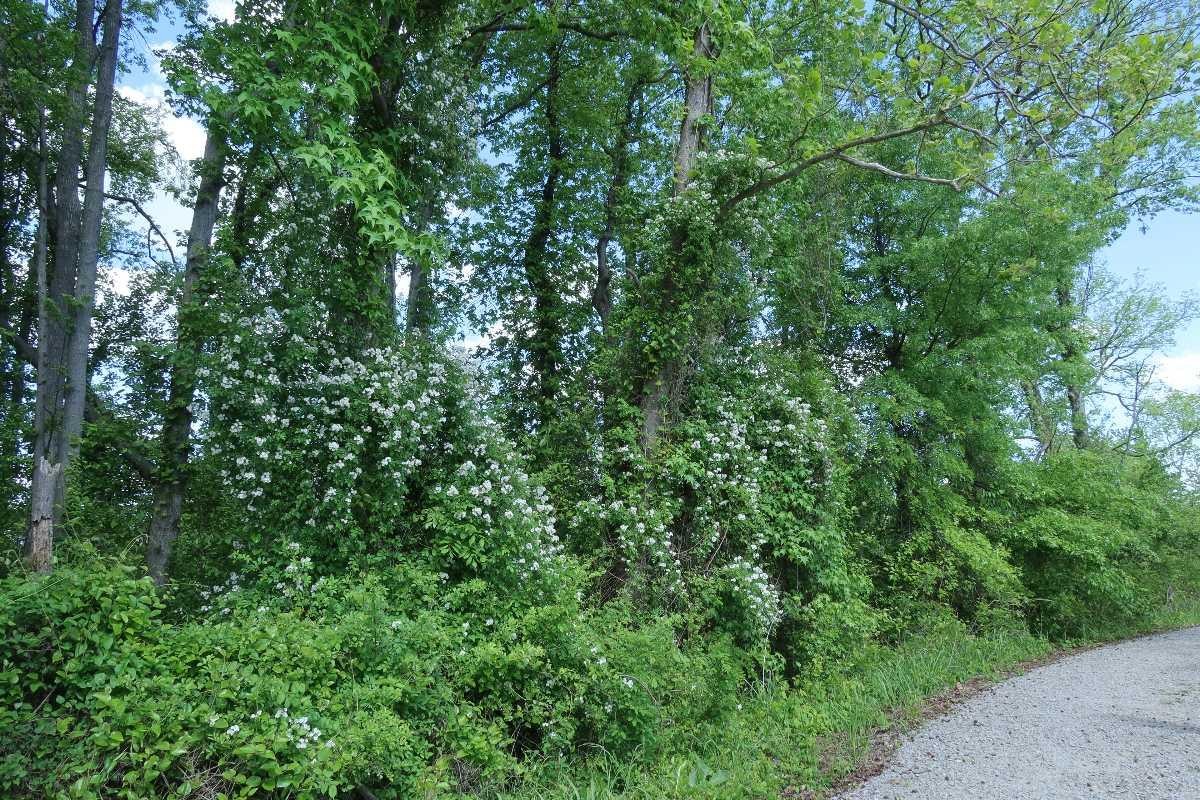
Japanese barberry tolerates shade, resists drought, and deer don’t eat it. While this sounds like a perfect combination for ornamental planting, because deer do not browse it, it can outcompete native shrubs. It spreads rapidly through woodlands, open fields, and wetlands.
Updated: May 3, 2022
Invasives in Your Woodland: Bush Honeysuckles
Eurasian bush honeysuckles are non-native species that can out-compete many native plant species. They are found throughout Maryland and the mid-Atlantic states, where these multi-stemmed plants spread rapidly in disturbed areas, forming dense thickets that can reach ten to fifteen feet in height.
First
Previous
Page
1
Page
2
Page
3
Current page
4
Page
5
Next
Last