Talbot County Master Gardener Program 

The University of Maryland Extension's Environment and Natural Resources (ENR) program delivers research-based education and technical assistance to help individuals, communities, and organizations conserve and responsibly manage Maryland's natural resources. 

The Talbot County Extension Master Gardener program aims to educate Maryland residents about safe, effective, sustainable horticultural practices that build healthy gardens, landscapes, and communities. UME Talbot County also offers a range of additional ENR programming in home gardening, sustainable landscaping, and environmental conservation. To learn more about these and other local county Extension programs, please contact our office.


Learn More About ENR           ENR Events Calendar

Talbot County Environment & Natural Resource Programs

Master Gardener Program

The Talbot County Master Gardener Program is made up of local citizens whose shared goal is to promote safe, effective, and sustainable horticultural practices that build healthy gardens.  Master Gardeners are volunteer representatives of the University of Maryland Extension and are supervised and supported by University of Maryland Extension staff.   

You become a Master Gardener by successfully completing the Master Gardener 40-hour training program and then volunteering your time.

For more information, contact our Talbot County Extension Master Gardener Coordinator:

Mikaela Boley | mboley@umd.edu | 410 822-1244

Master Gardener FAQs

The UME Master Gardener program began in 1978 as a means to extend science-based knowledge to the general public by providing horticultural and pest management expertise to help protect and improve Maryland's natural resources. Talbot County established a Master Gardener program in 2005.

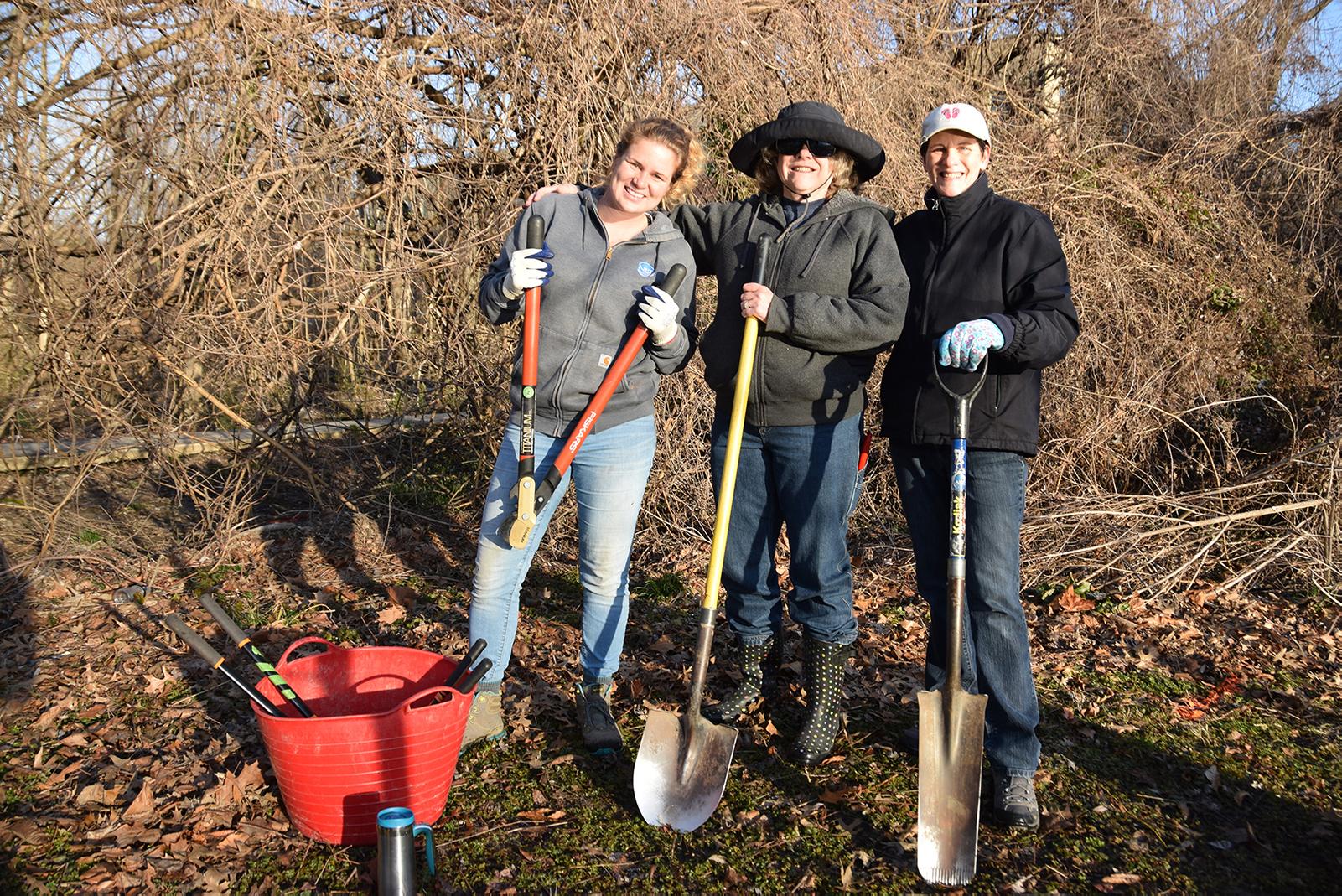
UME Master Gardeners are volunteers who combine their love of plants, people, and the environment to help residents in their communities solve problems and make environmentally sound decisions. Their work includes rain garden demonstration sites, Ask a Master Gardener services, and Bay-Wise best management practices for the community.

Master Gardeners help the University of Maryland Extension solve gardening problems and teach environmentally sound practices by:

  • Working in information booths at community events and fairs
  • Maintaining demonstration gardens
  • Answering garden questions at plant clinics
  • Teaching horticulture to beginning gardeners and youth
  • Using special talents, such as writing and photography, to benefit the program

How Are Master Gardeners Trained?

Master Gardener training classes are conducted annually by the University of Maryland Extension. Through the training program, participants learn many different horticultural subjects from specialists, educators, and other horticulture professionals. This classroom period covers 40+ hours of education.

What Are The Master Gardener Training Topics?

Master Gardeners are trained in the following topics:

  • Botany
  • Composting
  • Diagnosing plant problems
  • Ecology
  • Entomology
  • Flower gardening
  • Lawn care
  • Organic gardening
  • Pesticide use and safety
  • Soils and fertilizers
  • Tree and shrub care
  • Vegetable gardening

Other subjects of interest may be included.

What Does Master Gardener Training Cost?

Training costs are $200 for the basic training courses, and include the Master Gardener Handbook. The cost covers materials and the handbook for the intern.

How Can I Become a Master Gardener?

Please get in touch with your local Master Gardener Coordinator according to the county of your residence:

Become a Master Gardener

Urban Horticulture

The Urban Horticulture program provides programs and resources to the residents of Talbot County in the areas of turf, woody plants, entomology, soil testing, native plants, invasive plants, pest management, and identification. Trained Master Gardener volunteers and Extension faculty assist homeowners with landscape and gardening questions.

Bay-Wise Program

The University of Maryland Extension Bay-Wise Program is a science-based, peer education program conducted by the University of Maryland Extension (UME) that teaches Marylanders sustainable landscape and garden practices that promote clean water, healthy soil, native biodiversity, and climate-resilient communities through our statewide Master Gardener program.

"Better water quality through smarter gardening"

Most Maryland residents live within a half-mile of a storm drain, stream, or river. Most of those waterways eventually drain into the Chesapeake Bay. What we do to maintain our own landscapes can affect the health of our local waterways (drainage ditches, streams,s and rivers), the Chesapeake Bay, a,y and our environment. We all need to do our part to take care of our waterways and environment. By changing a few simple landscape practices, you and your family can help keep Maryland communities healthy.

The Maryland Bay-Wise Program is a homeowner education program conducted by Maryland Master Gardeners in several counties.

Take the Bay-Wise Challenge

How does your yard "measure up"? Contact mboley@umd.edu to schedule a free consultation with Master Gardener volunteers for your residence a free consultation on better environmental practices. By taking the advice of our educated volunteers, you can even get your landscape Bay-Wise certified! This certification recognizes bay-friendly environmental practices that you can be proud of, and earns you official Bay-Wise signage.

How Do I Get My Landscape Certified?

Want to make your landscape more ecologically sound? Follow these three steps:

1. View the downloadable Maryland Living Landscapes Metric.

2. Review the actions and decide which you would like to try on your local landscape.

3. After you have completed actions in each group, total your score. A score of at least 80-100 may qualify you for a certification visit. Contact your local Bay-Wise committee to request a certification visit.

Aquaculture and Seafood Technology

UME educational programs that support sustainable aquaculture, seafood safety, ecosystem restoration, and Maryland's seafood industry. 

Learn More

Forestry and Natural Resources

The University of Maryland Extension ENR program offers resources on forest stewardship, wildlife habitat, conservation practices, renewable energy, and natural resource management

Learn More

Home Gardening & Horticulture

UMD Extension agents provide the community with science-based information on gardening, landscaping, integrated pest management, and sustainable landscape practices. 

Water and Climate

UME agents offer education on water quality, watershed protection, climate resilience, stormwater management, and the proper care of private wells and septic systems

Learn More

Extension ENR Resources

From flooding and forestry to watershed restoration and wildlife, UME has hundreds of ENR resources to discover. Find expert-curated tips to manage your lawn, plants, and food gardens, or get answers from our team of Maryland Certified Professional Horticulturists, Extension Faculty, and Master Gardeners. View all ENR resources.