Skip to main content
Menu
Get Involved
Give
Contact
Ask Extension
About
Leadership
UMD Extension Impact
Careers
Directory
Civil Rights Compliance
Extension Advisory Council and Committees
Program and Organizational Development
Resources
Animal Agriculture
Plant Agriculture
Yard & Garden
Pests
Natural Resources
Environment & Energy
Agribusiness Management
Food & Nutrition
Health & Well-Being
4-H & Youth Education
Programs
4-H Youth Development
Family & Consumer Sciences
Agriculture & Food Systems
Environment & Natural Resources
Home & Garden Information Center
Locations
Publications
News & Events
All News
Events
Insect Pest - Other/Misc
Home
Resources
Insect Pest - Other/Misc
For full functionality of this site it is necessary to enable JavaScript. Here are
instructions for how to enable JavaScript in your web browser
.
Sort by:
Date
Title
Updated: October 23, 2024
Periodical (17-year) Brood X Cicadas
This Timely Viticulture article is on the periodical (17-year) Brood X Cicadas. The content includes the background, life cycle, damage, and the management of the emergence of the Brood X Cicada in the vineyard.
Updated: October 23, 2024
Grasshoppers in High Populations
This season keeps with the weird and unusual with reports of grasshoppers causing damage in many different vegetables.
Updated: October 23, 2024
Who has been in my strawberries? Slugs and sap beetles, two common pests
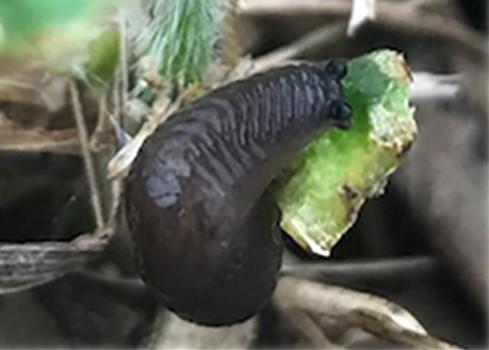
The cool, wet spring weather we have been experiencing favors slugs, so be on the lookout for slug damage. Slug damage may easily be confused for sap beetle feeding, but management of these pests is very different, so it is important to correctly identify the problem. Both pests can be common in matted row production. Authors: Sankara Ganesh, Maria Cramer, and Kelly Hamby, Department of Entomology, University of Maryland, College Park
Updated: October 23, 2024
Slug Damage to Soybeans—Do Cover Crops Help or Hurt?
Reports of slug damage to emerging soybean seedlings (Glycine max) have increased in recent years, though their activity is highly variable from field to field, and within a field from year to year. Spring, 2021 weather was both cool and wet, conditions that many slug species find ideal. Slug eggs overwinter in the soil, hatch in the spring, and the juvenile slugs can begin causing damage to crops in just a week’s time after hatching (Hammond et al. 2009).
Updated: October 23, 2024
A New Way to Fight Lyme Disease: Prescribed Fire
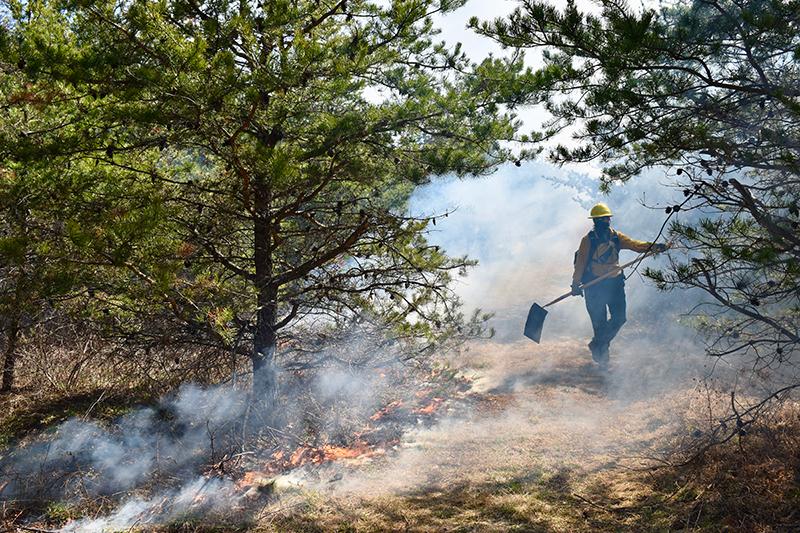
Scientists studying Lyme Disease and forest health surmise that prescribed burning could both reduce the tick population and restore certain woodland ecologies.
Updated: October 23, 2024
Wet Cool Spring May Increase Slug Damage
Recently planted field crops may be at risk from slug damage due to the heavy rains and cooler temperatures we have experienced in the mid-Atlantic from the end of April into the beginning of May. Therefore, the UMD fact sheet “Managing Slugs in Field Crops Using IPM Principles” may be of interest.
Updated: October 23, 2024
August IPM Insect Scouting Tips
August IPM insect scouting tips on soybean, field corn, and sorghum.
Updated: October 23, 2024
July IPM Insect Scouting Tips
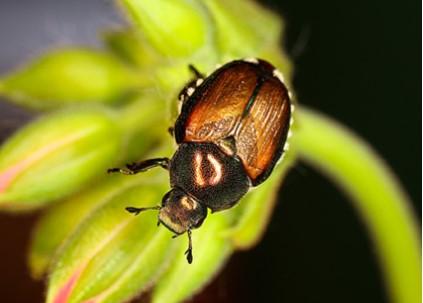
Soybean: Scout for the usual defoliators, including bean leaf beetle, Japanese beetle, and caterpillars. The treatment threshold is 15-20% defoliation for bloom to pod fill. Note that defoliation percentages should be based on the entire soybean plant or canopy, not just the top leaves or worst leaves. University of Nebraska Extension has a nice guide for defoliating insects in soybeans (https://croptechcafe.org/defoliating-insects-in-soybeans-thresholds-training-and-tools/). Adult Dectes Stem Borer will be emerging over the next several weeks. Chemical control is not recommended since it would require multiple applications to reduce larval infestations, which is not economical. However, if a high number of adults are found, harvesting that field as soon as it matures will reduce losses associated with lodged plants.
Updated: October 23, 2024
September IPM Insect Scouting Tips
Soybeans: Continue scouting for corn earworm, stink bugs, and soybean looper in double-crop fields. Defoliation thresholds at R5 are 15% and between 20 and 30% at R6. Corn earworm pheromone trapping information for Maryland can be found at https://extension.umd.edu/resource/corn-earworm-pheromone-trapping. NC State Extension has a good CEW threshold calculator can be used to help decide if it is worth treating: https://www.ces.ncsu.edu/wp-content/uploads/2017/08/CEW-calculator-v0.006.html. Stink bug thresholds are 5 bugs per 15 sweeps until the soybeans reach the R7 stage, after which treatment for stink bugs is not necessary.
Updated: October 23, 2024
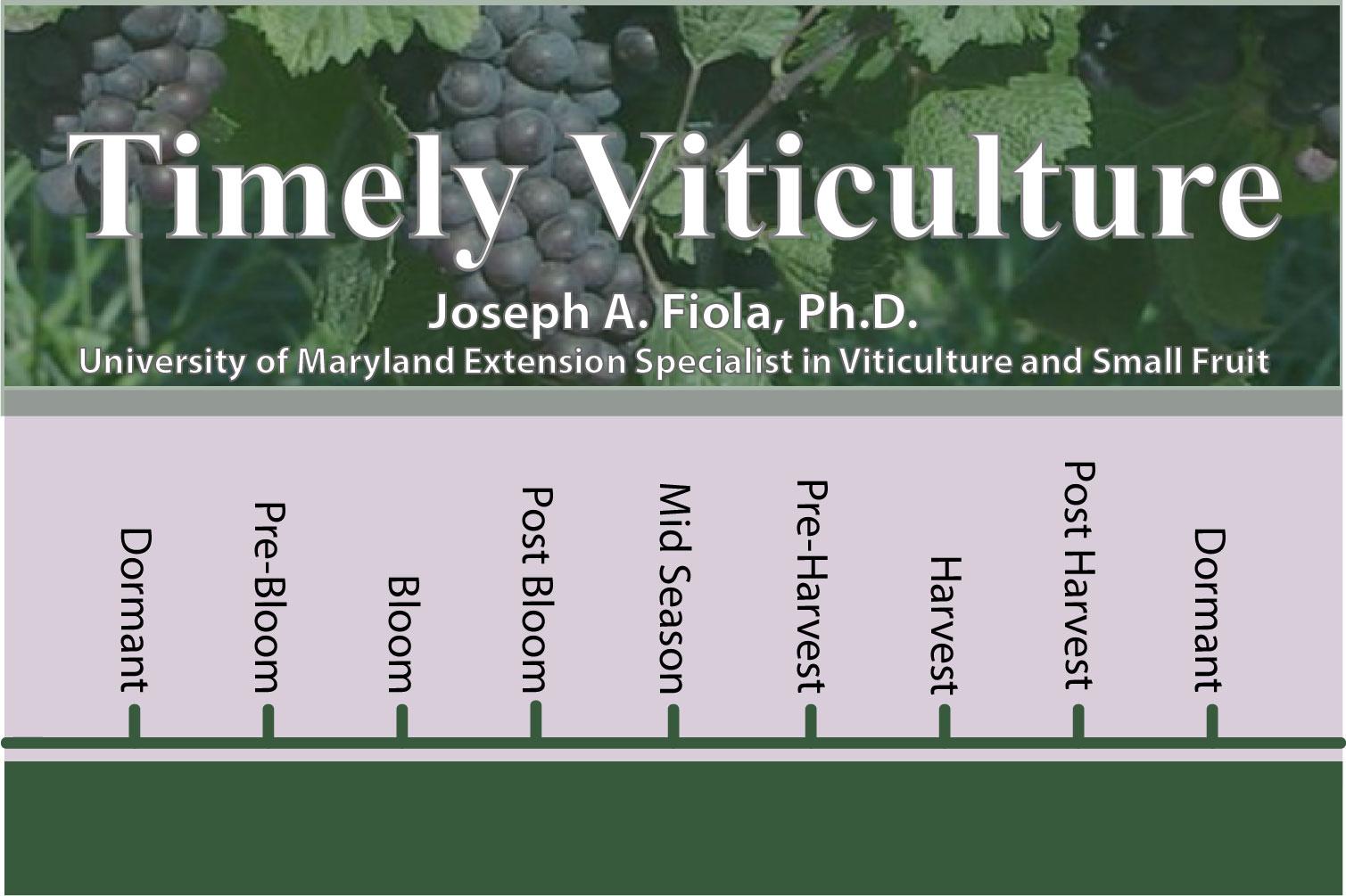
Timely Viticulture
Timely Viticulture is an electronic newsletter designed to remind grape producers of seasonal vineyard needs and considerations throughout the year.
First
Previous
Page
1
Page
2
Page
3
Current page
4
Page
5
Next
Last