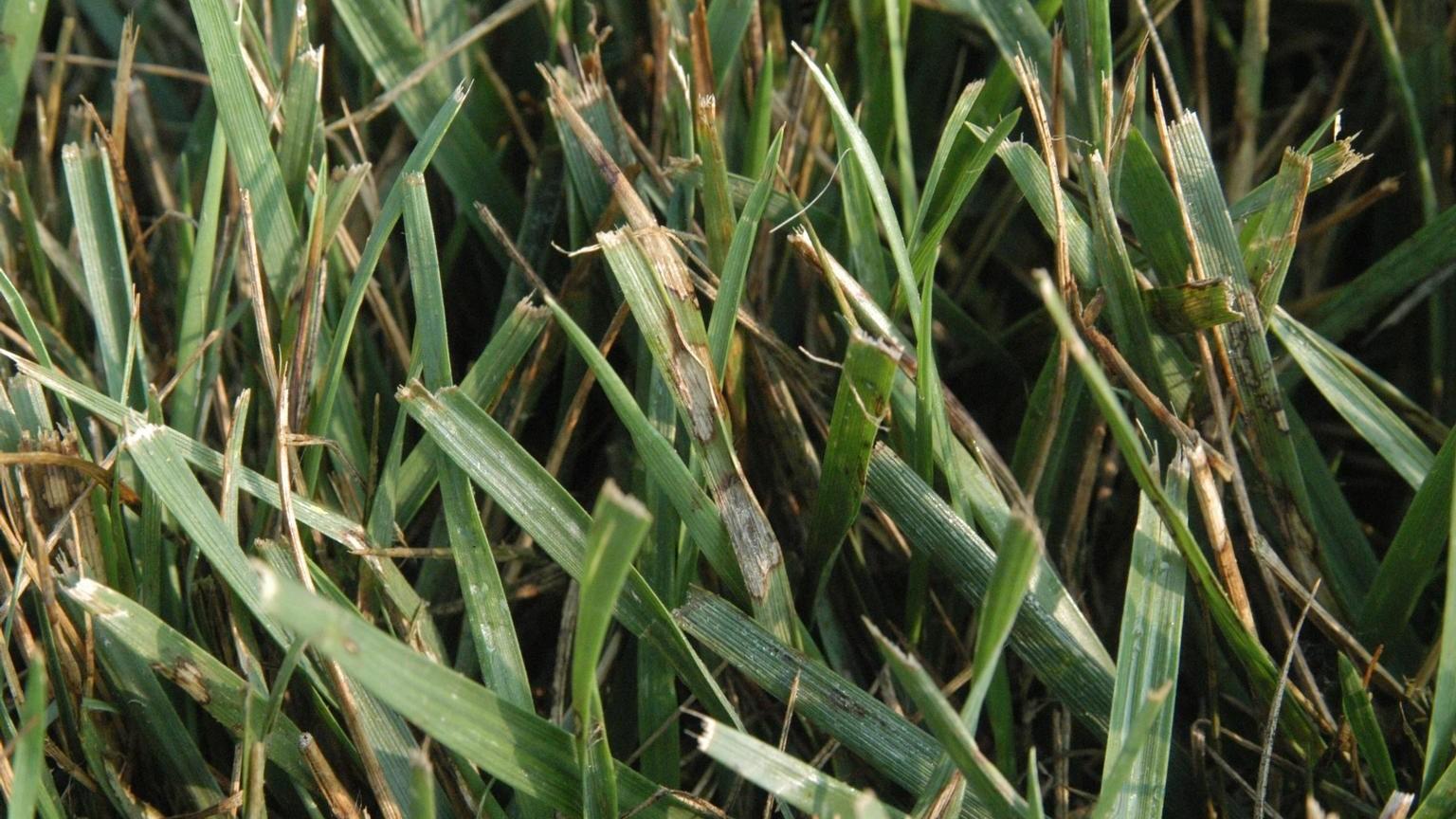
Key points about lawn infections
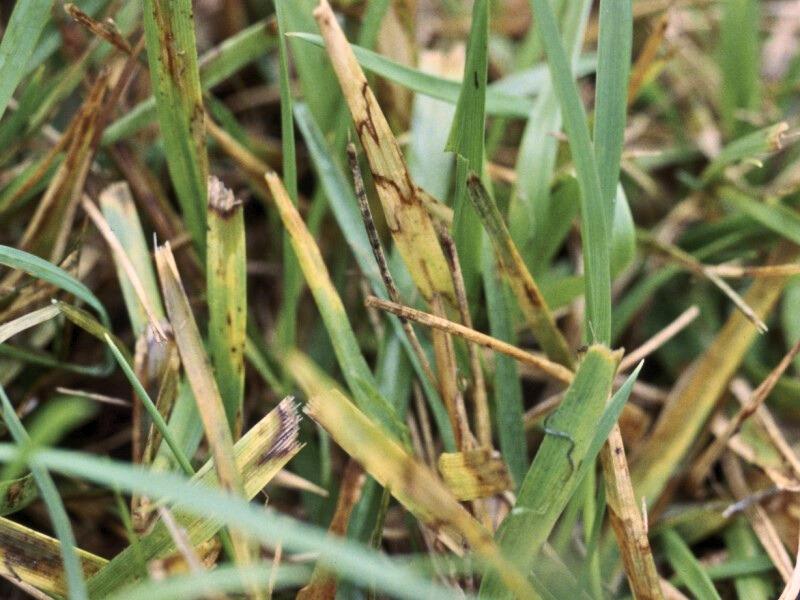
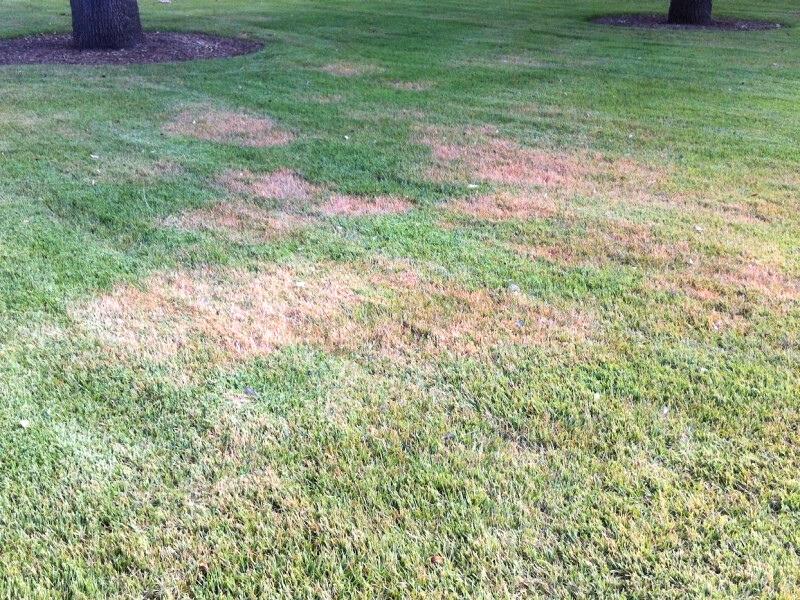
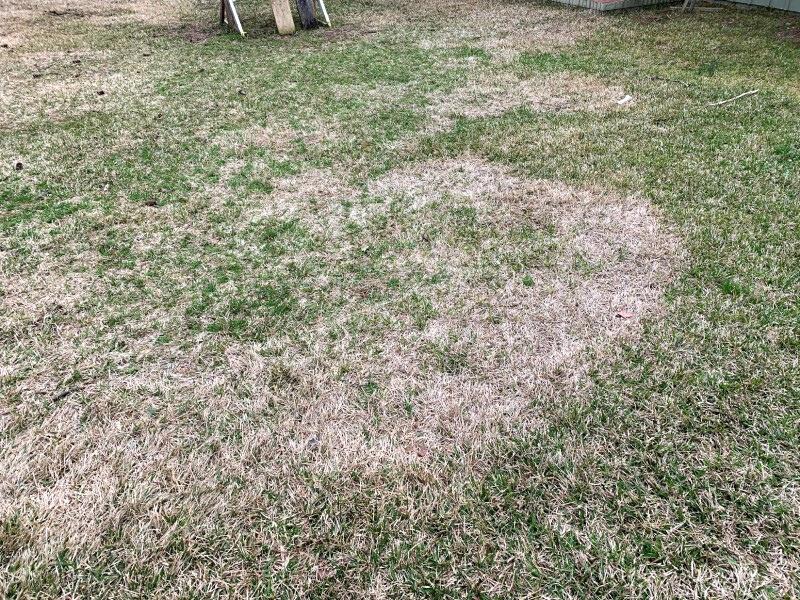
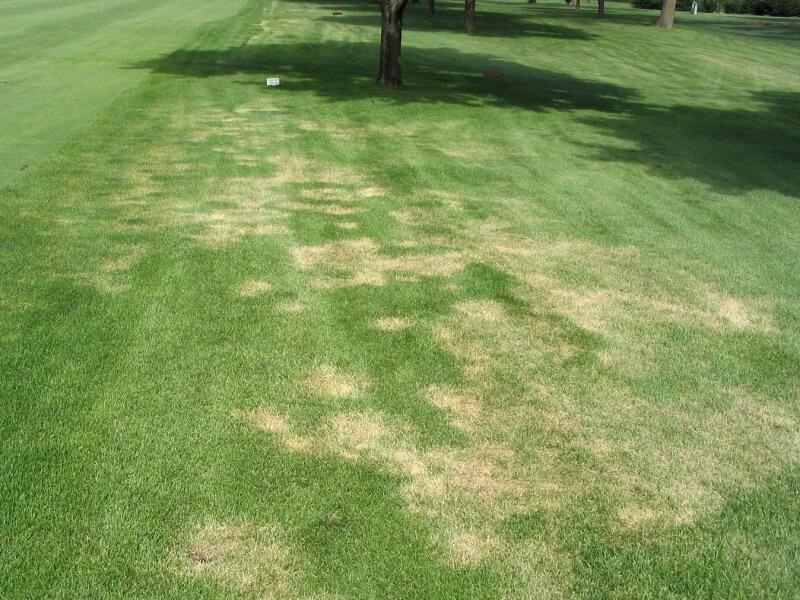
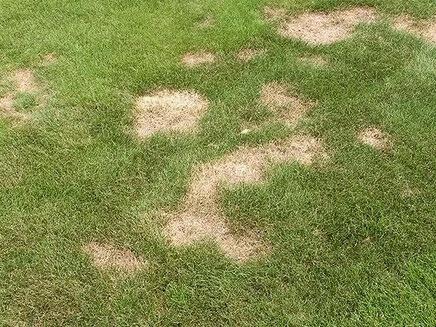
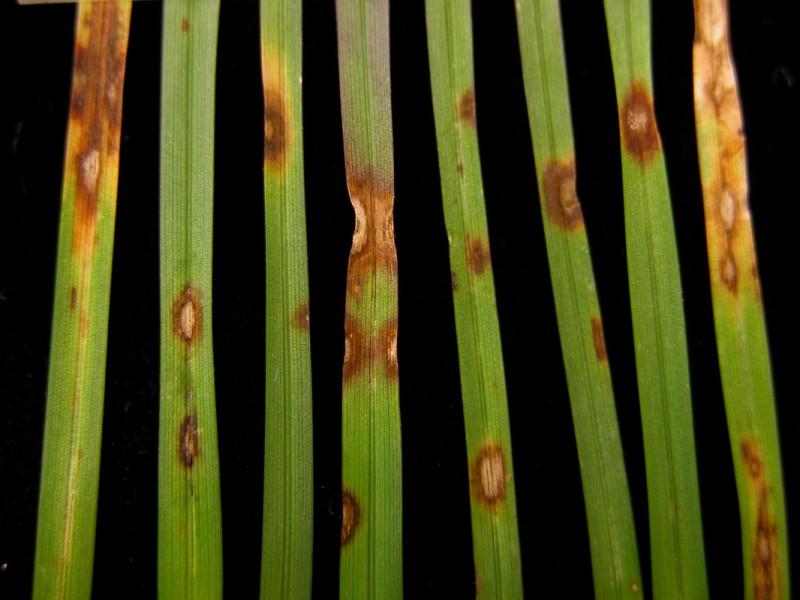
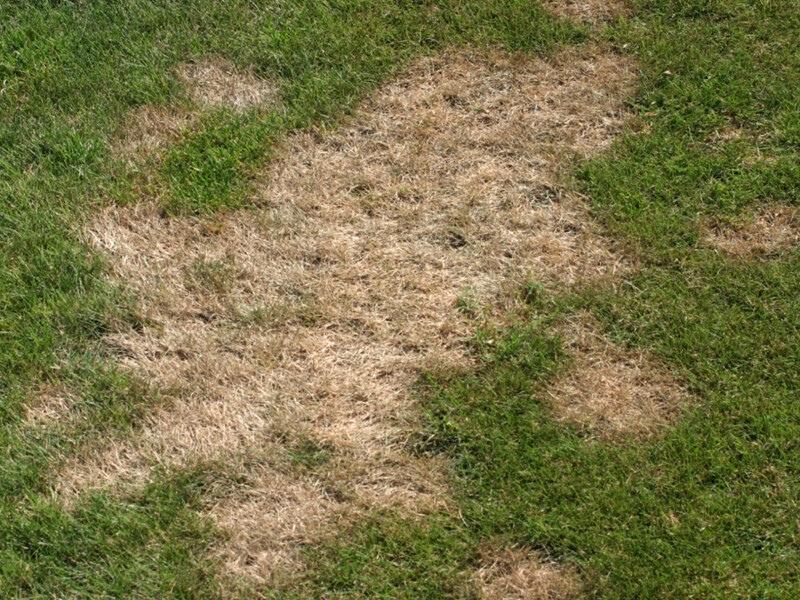
- Diagnosing lawn problems can be challenging, as symptoms from multiple factors (environmental stress, pests, diseases, or physical damage) can overlap.
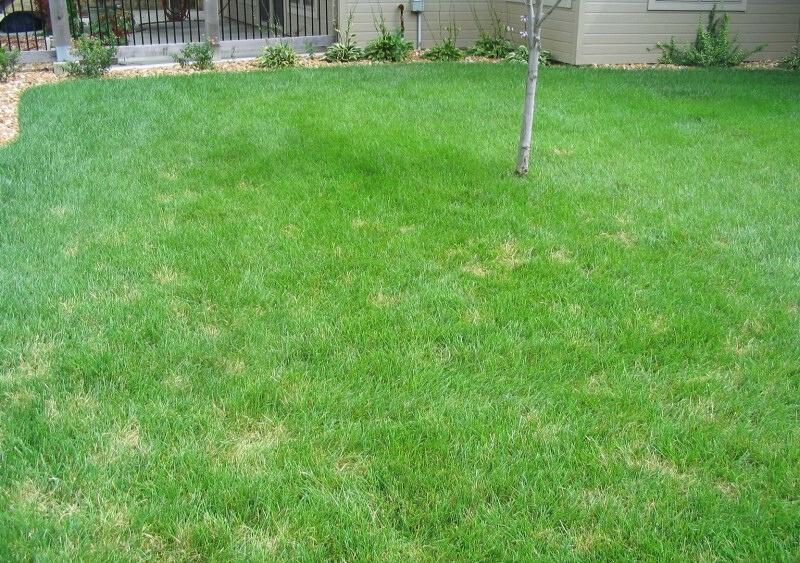
- Not all lawn diseases kill the turf; some merely discolor it, and the grass regrows once seasonal conditions change. Where possible, tolerate temporary blemishes to avoid the use of fungicides that can harm other organisms or cause the fungus to become resistant to treatment.
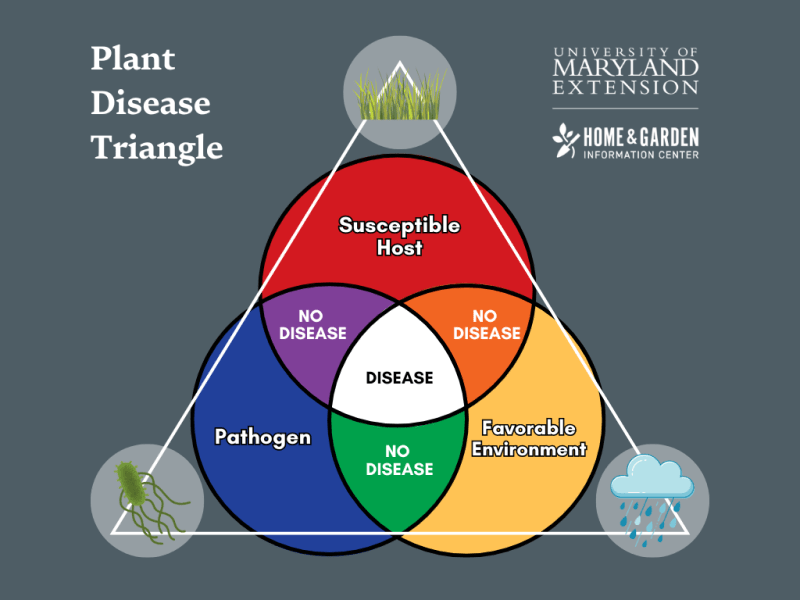
- Avoiding conditions that promote disease (like watering late in the day) helps reduce the frequency and severity of outbreaks. Infections take place before disease symptoms appear.
- No single management approach (like fungicide) is likely to work well by itself. Focus on proper turfgrass maintenance to support the grass’s ability to resist disease on its own.
- Growing recommended turfgrass varieties helps lawns better resist or recover from disease. Not all turf types are equally susceptible to each disease, and even disease-resistant grasses can be infected when environmental conditions favor fungal growth.
Disease vulnerability by turfgrass type
The following chart provides a guide for comparing the most notable disease vulnerabilities for each turfgrass type. It is not an exhaustive list, nor is it ranked by disease prevalence. Grass variety resistance and weather conditions can influence how extensive any disease becomes.
| Turfgrass type | Most common diseases |
|---|---|
| Tall fescue | Brown patch, red thread, gray leaf spot, rust |
| Kentucky bluegrass | Summer patch, dollar spot, rust, powdery mildew, brown patch |
| Fine fescue (primarily creeping red) | Red thread, Drechslera leaf spot, net blotch, dollar spot, summer patch, powdery mildew |
| Perennial ryegrass | Gray leaf spot, brown patch, dollar spot, red thread, rust |
| Zoysia | Large patch, dollar spot, rust |
| Bermudagrass | Spring dead spot, leaf spot |
Lawn disease terms
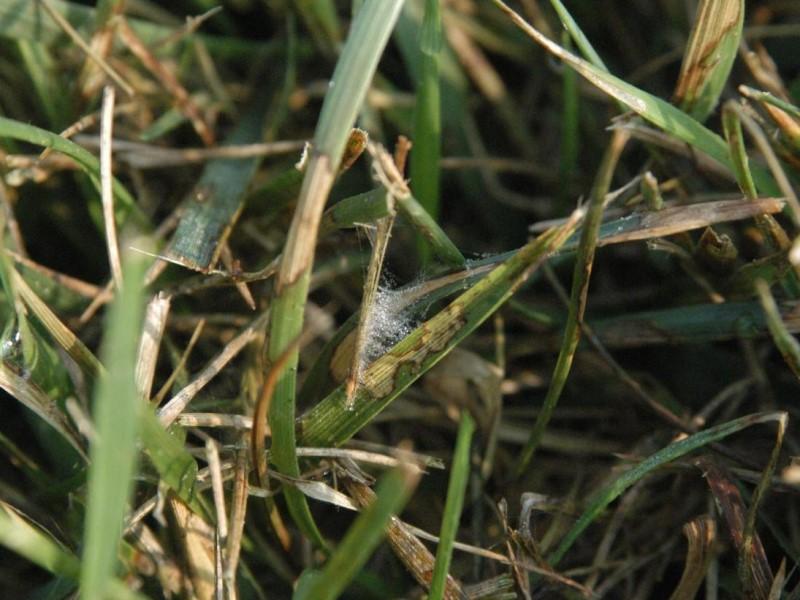
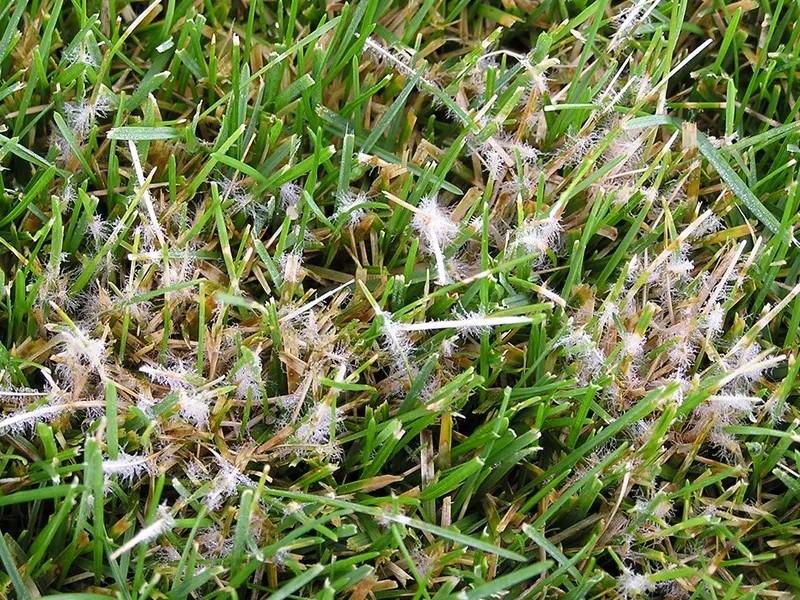
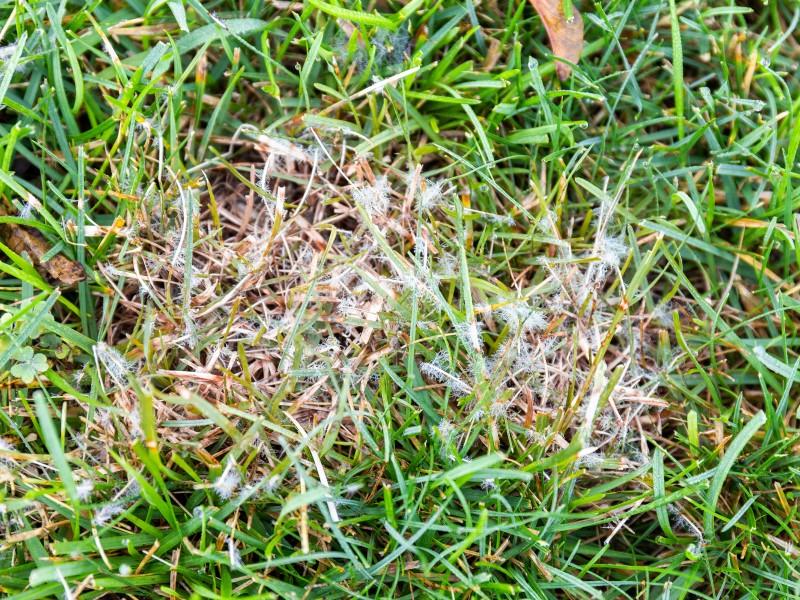
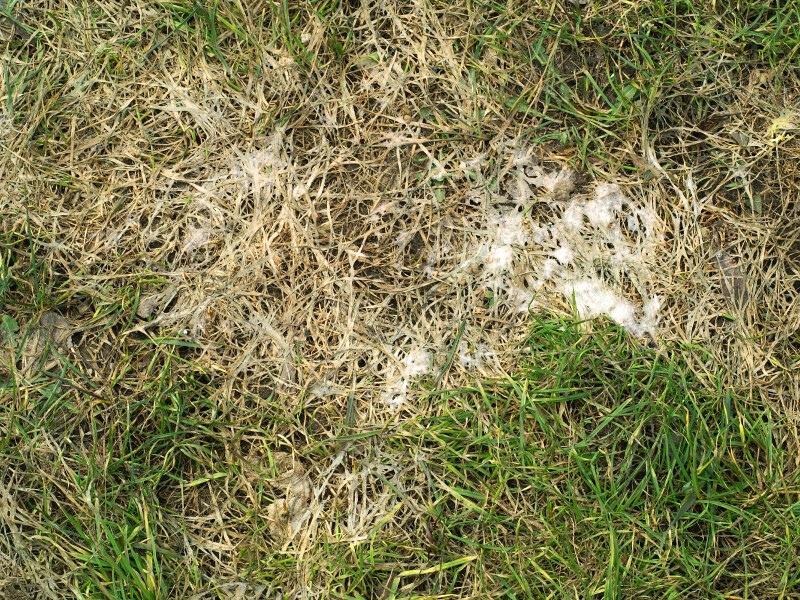
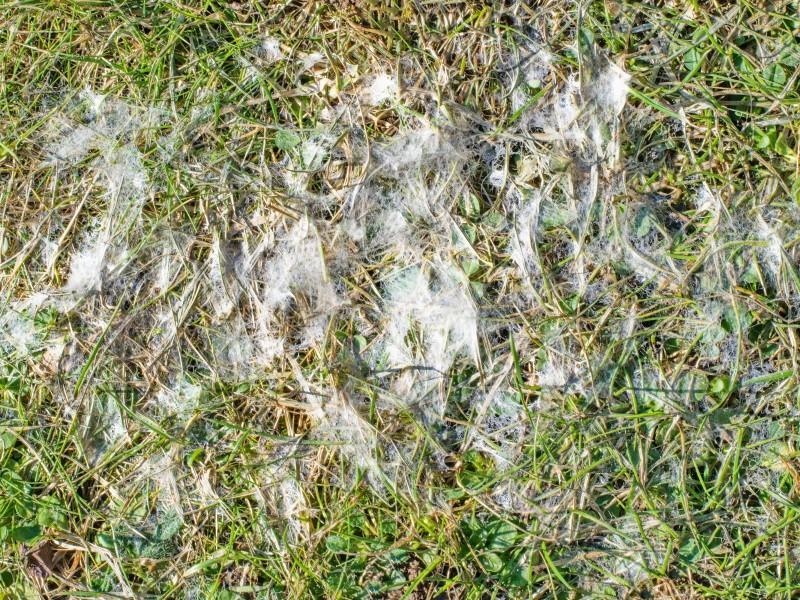
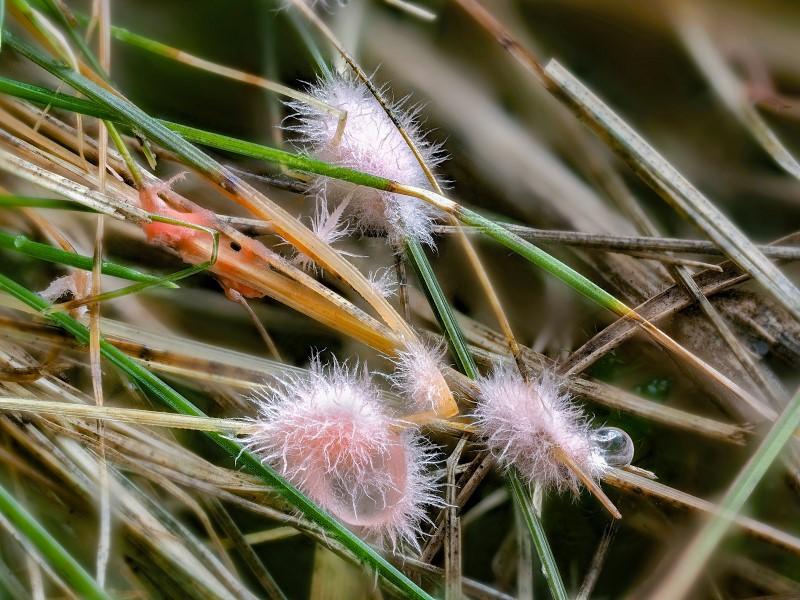
Mycelium (plural mycelia) forms the bulk of the fungal body. It is a network of filaments (hyphae) that spreads through and around their food source as the fungus consumes dead organic matter or infects living organisms. Fungal mycelia are not usually visible, though they can sometimes be seen on the soil or plant surface during periods of high humidity or wetness. When visible, mycelia often appear thready, cobwebby, or fuzzy.
Fungi can survive periods of harsh weather (like winter or a drought) as resting structures called sclerotia. These tough, dormant capsules can persist in the soil or within infected plant parts. They may survive in the soil for many years when suitable host plants are not available. This can be one reason why a relatively new or refreshed lawn that has not had disease issues in the past may develop an infection once weather conditions favor the regrowth of the fungus.
Inoculum is any part of a fungus capable of starting an infection. This could be spores, sclerotia, or fragments of mycelium.
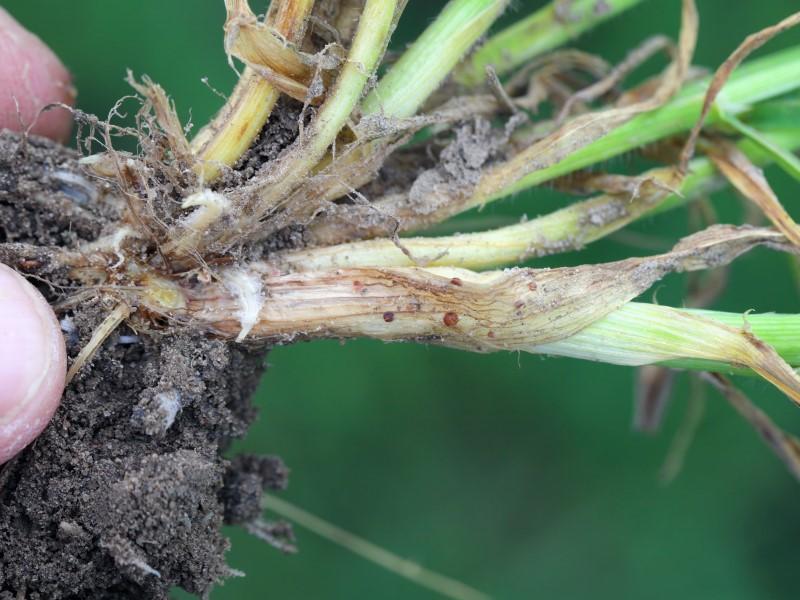
The crown of a grass plant is the area at the soil level where the roots and shoots (above-ground growth) meet. New growth originates from the crown when turfgrass has to regrow foliage, whether from mowing, damage (such as drying out from drought or loss from insect chewing), or fungal leaf infections.