Skip to main content
Menu
Get Involved
Give
Contact
Ask Extension
About
Leadership
UMD Extension Impact
Careers
Directory
Civil Rights Compliance
Extension Advisory Council and Committees
Program and Organizational Development
Resources
Animal Agriculture
Plant Agriculture
Yard & Garden
Pests
Natural Resources
Environment & Energy
Agribusiness Management
Food & Nutrition
Health & Well-Being
4-H & Youth Education
Programs
4-H Youth Development
Family & Consumer Sciences
Agriculture & Food Systems
Environment & Natural Resources
Home & Garden Information Center
Locations
Publications
News & Events
All News
Events
Forest Health
Home
Resources
Forest Health
For full functionality of this site it is necessary to enable JavaScript. Here are
instructions for how to enable JavaScript in your web browser
.
Sort by:
Date
Title
Updated: December 16, 2025
Natural Area Management Services Directory: Tree Planting
Planting trees helps your natural areas in many ways. They contribute to cleaner air and water, increase shade to reduce energy costs, and provide habitat for wildlife. Providers of tree planting services are listed here.
Updated: December 15, 2025
Natural Area Management Services Providers: A to Z
Entries in the Natural Area Management Services Directory are listed alphabetically.
Updated: December 2, 2025
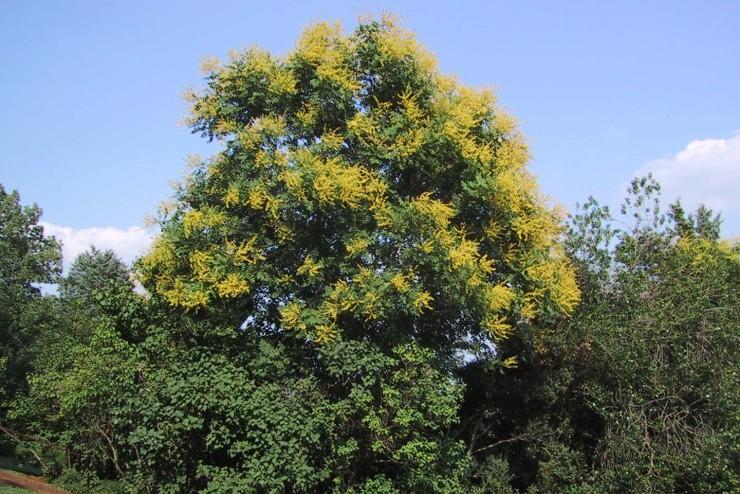
Invasives in Your Woodland: Goldenrain Tree
Since its introduction in the United States, goldenrain tree became popular as a landscape tree. It was planted throughout the mid-Atlantic and as far away as California. While initially prized for its resilience and speed of growth, observers and researchers began to recognize its invasive nature as it outcompetes native flora, significantly altering local ecosystems.
Updated: December 2, 2025
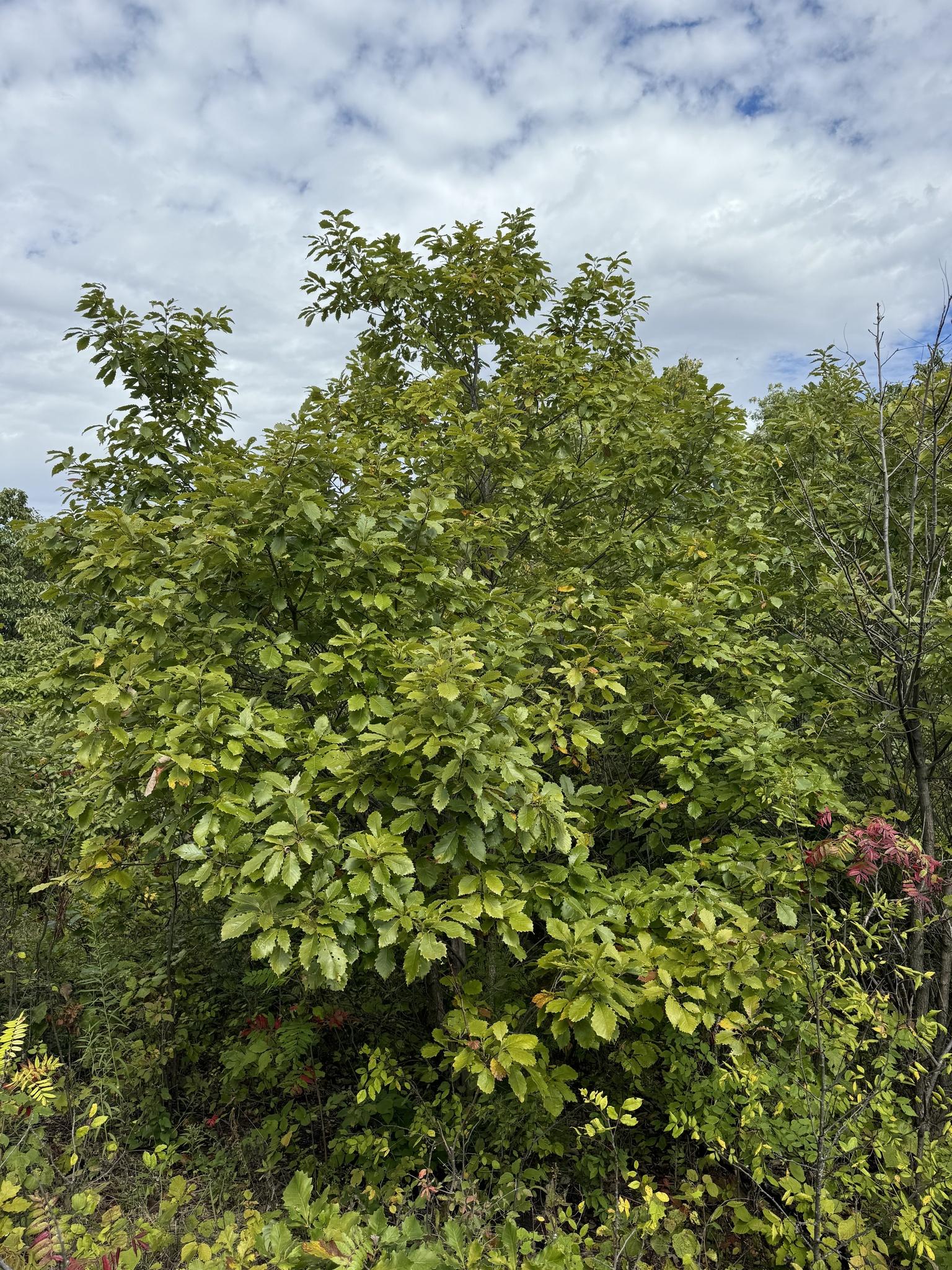
Native Trees of Maryland | Small Tree, Big Impact: Why the Dwarf Chinquapin Oak Deserves a Place in Your Landscape
The dwarf chinquapin oak (Quercus prinoides), unlike its towering relatives, is a mere 3-12 feet tall (rarely up to 20 feet). It’s one of only two shrublike oaks native to Maryland. Easily grown in a variety of environments, the dwarf chinquapin oak, while small, is ecologically mighty.
Updated: December 2, 2025
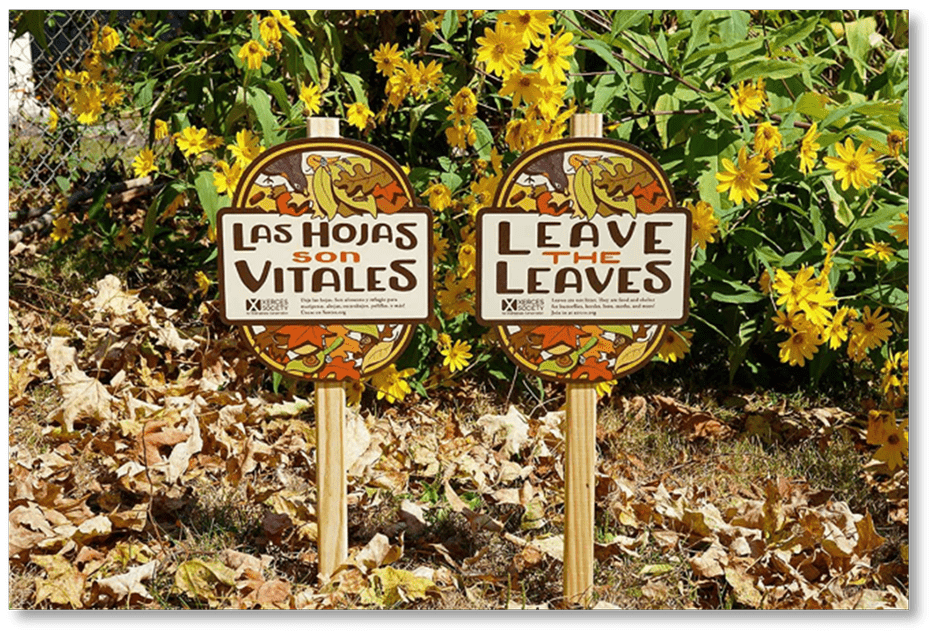
Leave the Leaves for Natural Pest Control
Once flowers have bloomed and your yard plants have died back in the fall, you might wonder where all the insects you saw in your yard spend the winter. Most overwinter right where they spent all summer, just hidden. Leaving the leaves provides year-round habitat for all sorts of beneficial insects.
Updated: December 2, 2025
Branching Out Fall 2025 News and Notes
In the News and Notes roundup for this issue: The Maryland state tree nursery is now taking orders for 2026 planting projects; Virginia tribal members establish a food forest; a writer from Backpacker explores a grove of American chestnuts; and NSF funding assists AI research at UMD to forecast wildfires.
Updated: December 2, 2025
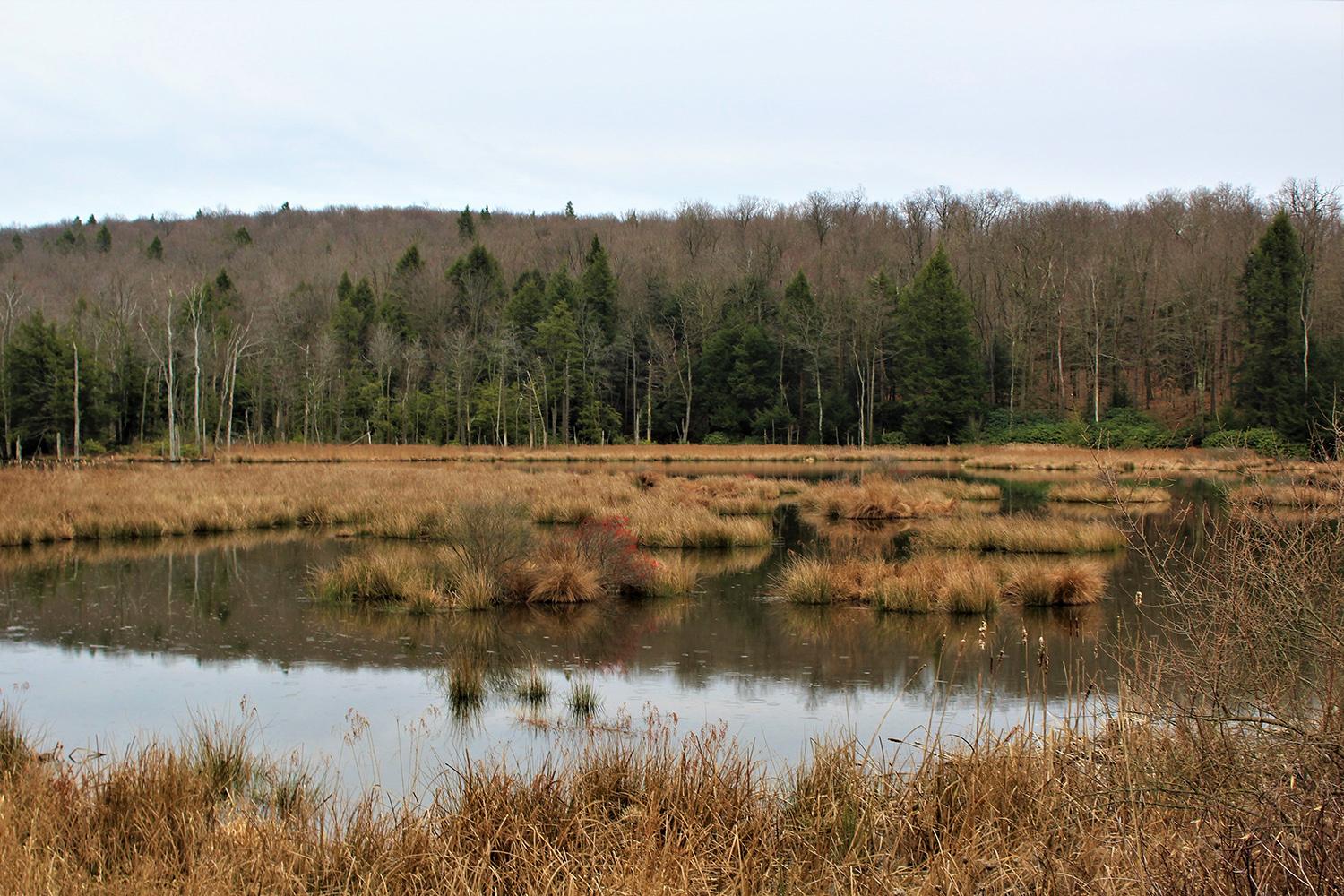
Transitioning from Fall to Winter
As the famous pallet of fall colors begin to fade, Maryland's forests undergo an important transformation into the winter season.
Updated: September 3, 2025
Branching Out - Summer 2025
In this issue: Read about some good news for Maryland forests, and the promising future of a new woodland stewardship tool. There's information about how to sign up for our popular "The Woods in Your Backyard" online course, and how to find a licensed tree expert for your property. Our "Native Trees of Maryland" looks at the American sycamore, and "Invasives in Your Woodlands" looks at the paper mulberry. And don't forget the events calendar and the Brain Tickler challenge.
Updated: August 4, 2025
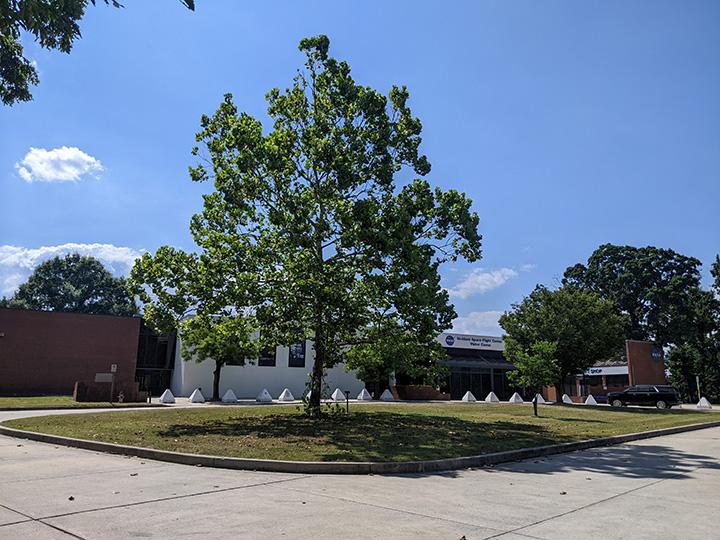
Native Trees of Maryland: The American sycamore, Platanus occidentalis
The American sycamore is native to a broad portion of the Middle and Eastern portions of North America, extending from south-central Texas to southern Maine. They are most often found in low-lying, riparian areas across Maryland, although they are also common pioneer hardwood species in abandoned fields and mining sites. Interestingly, sycamores tend to persist through most successional stages and are often present in mature forests.
Updated: August 4, 2025
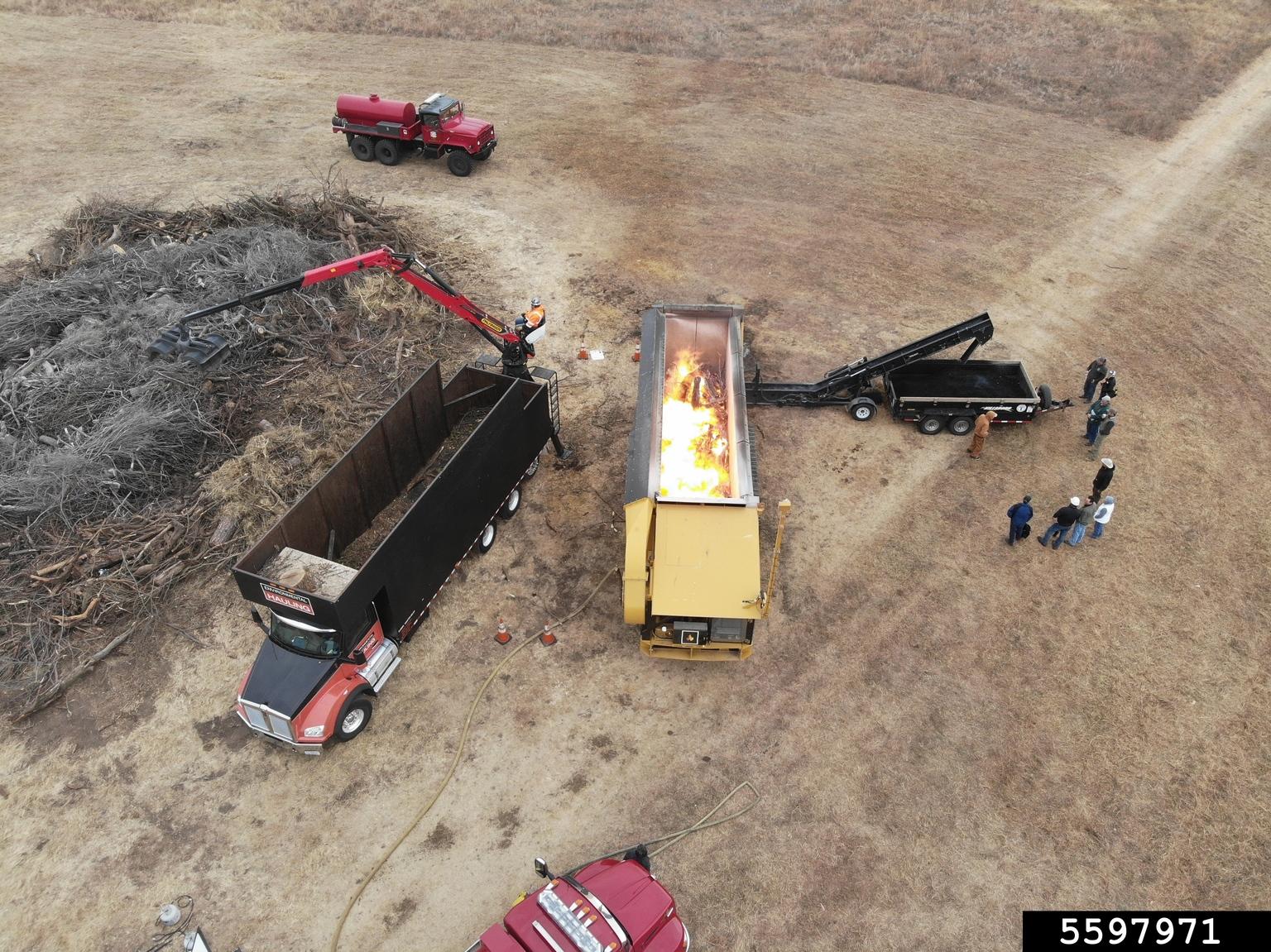
Woody biochar: A promising stewardship tool for Maryland's trees and forests
Over the past few months, I have received several phone calls from residents across the state who share a similar problem: they have large trees in their yards that need to be trimmed or removed, yet they do not want the wood to go to waste. Is there any productive use for the woody material that will come from their trees? The product from a relatively simple process may be an answer.
First
Previous
Page
1
Page
2
Page
3
Current page
4
Page
5
Page
6
Page
7
Page
8
Page
9
…
Next
Last