
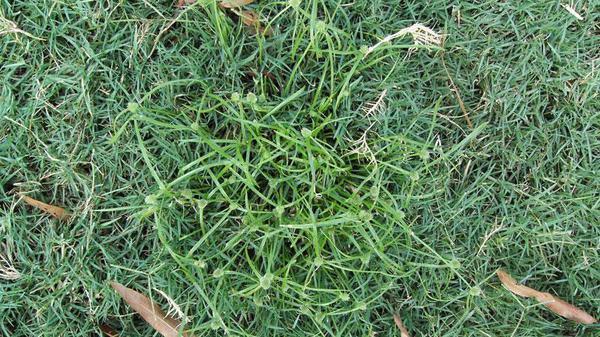
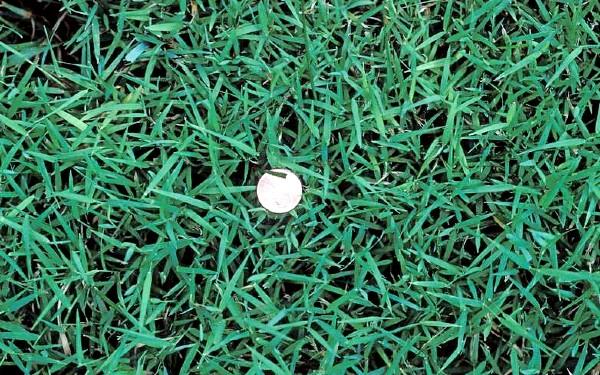
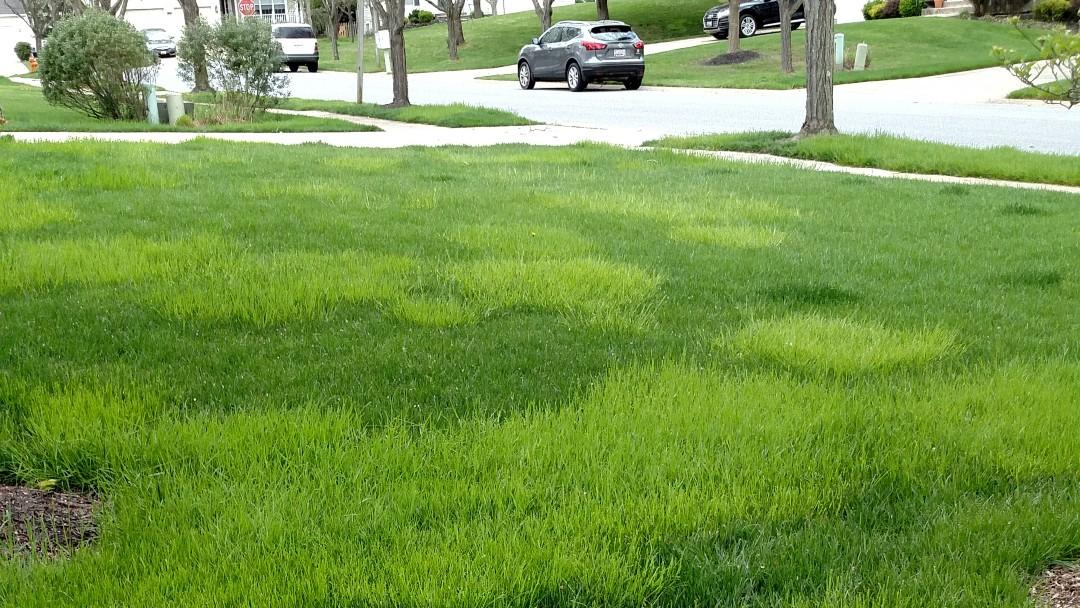
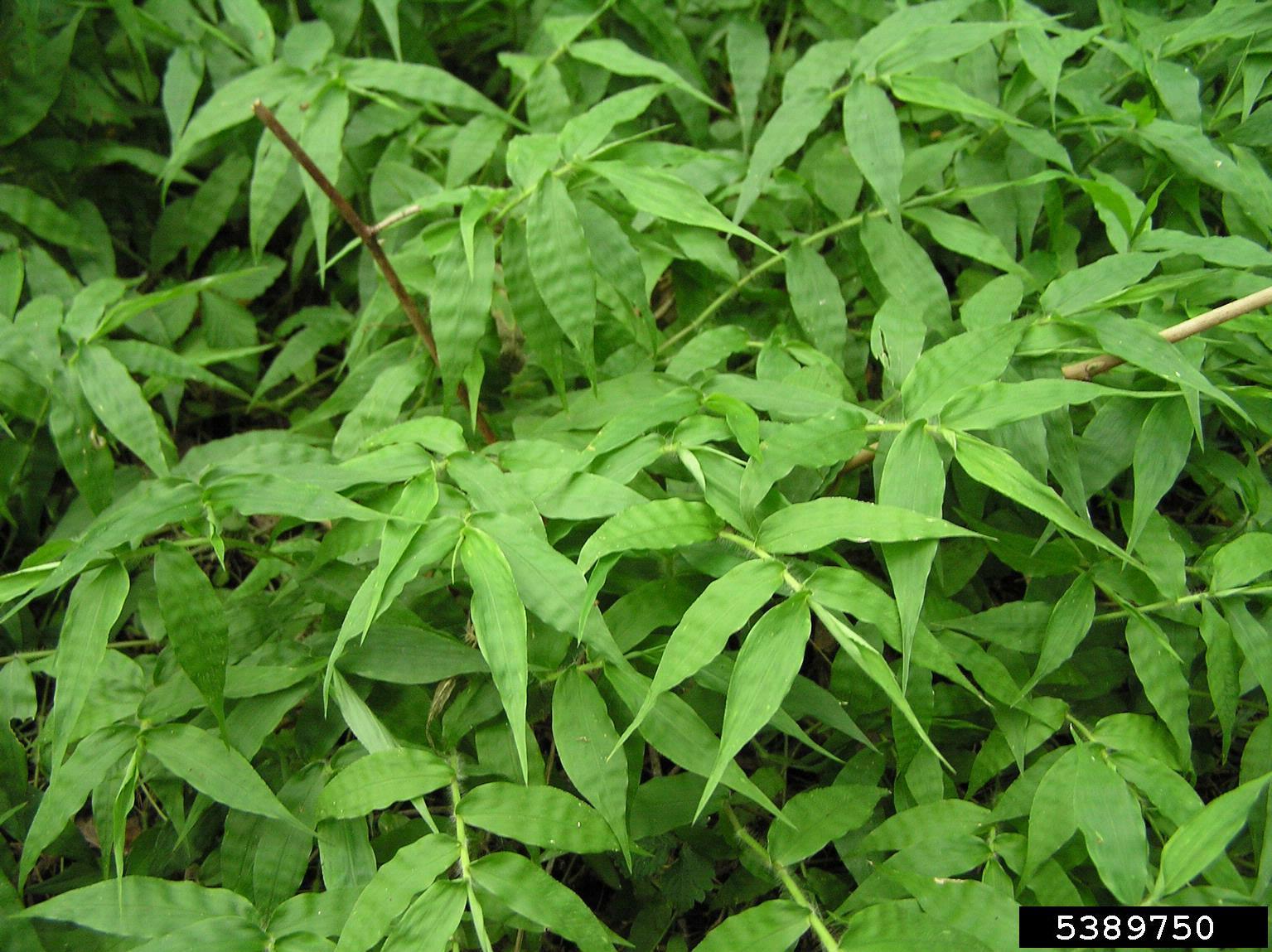
For weed management to be efficient and successful, it is essential to accurately identify the plant and understand its life cycle. Use the following photos and resources to identify common grassy, broadleaf, or woody weeds that often grow in lawns and gardens. Click on the name of the plant to view identification details and management recommendations.
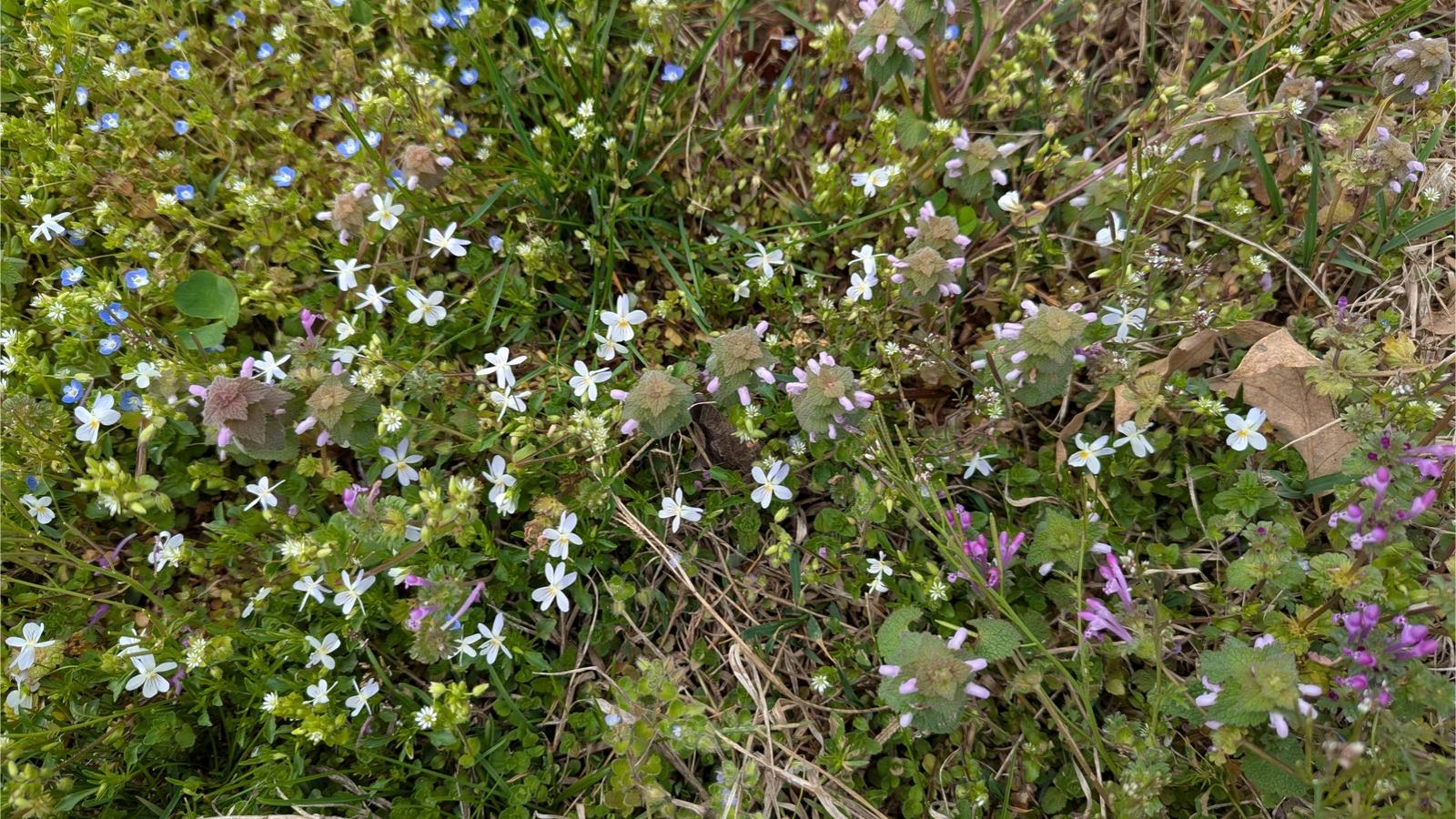
A lawn overrun by a medley of field pansy, purple deadnettle, henbit, chickweed, and speedwell.
Photo: Miri Talabac, University of Maryland Extension
Weeds grouped by season
Although their full life cycle spans more than one season, these groupings reflect when the included weeds are most often noticed, due either to active growth, mature size, bloom time, or seed ripening.
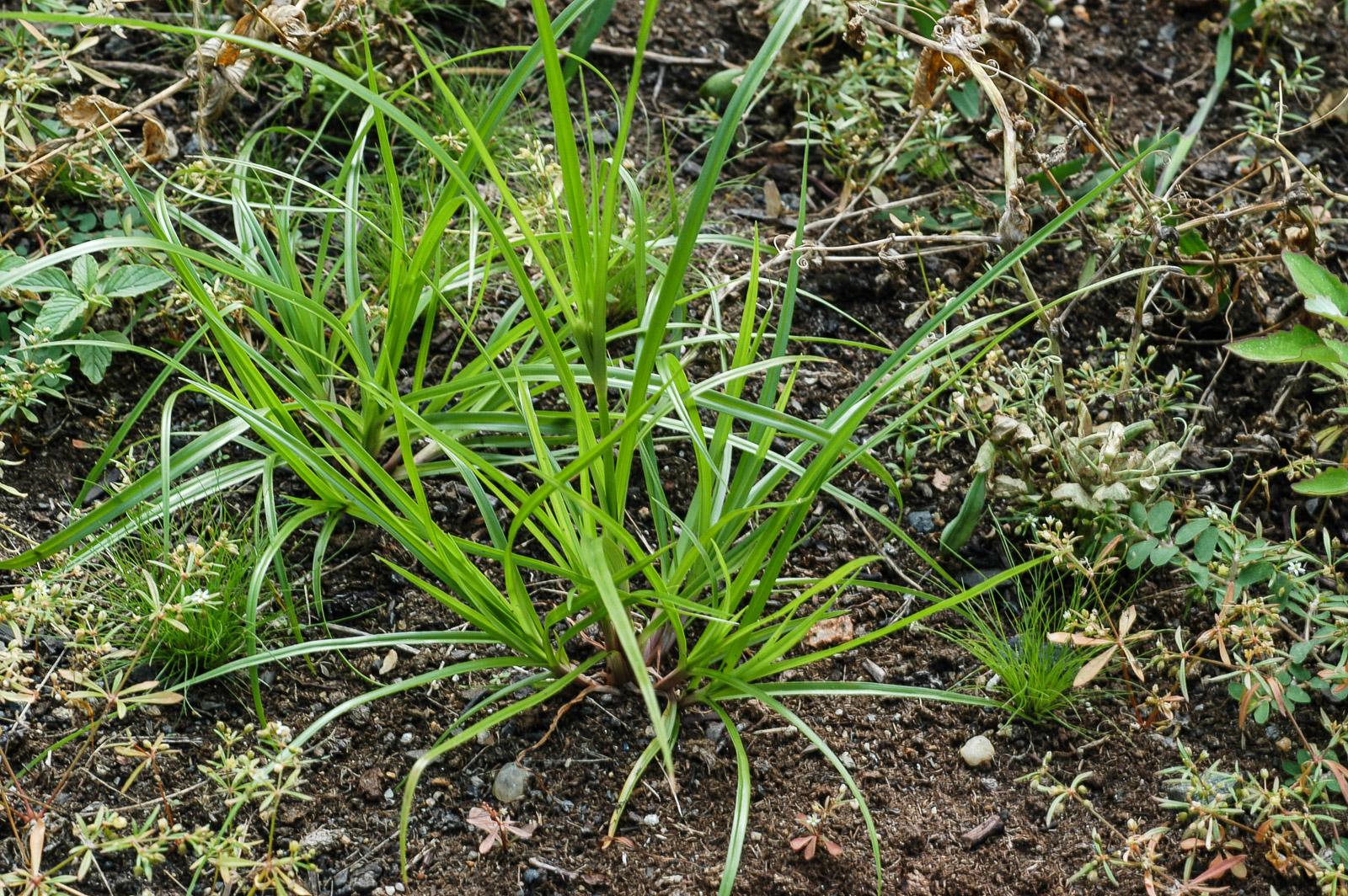
Grass-like weeds: true grasses, sedges, and nutsedges
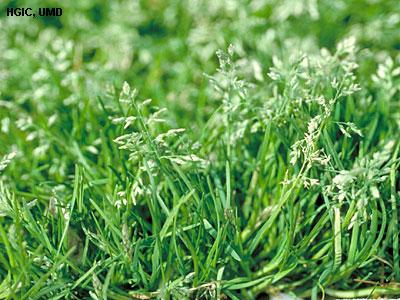
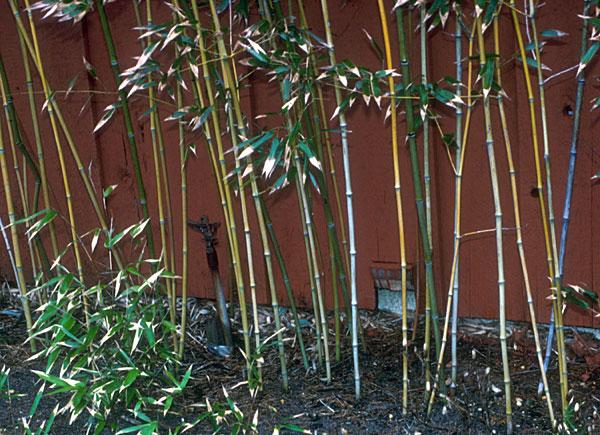
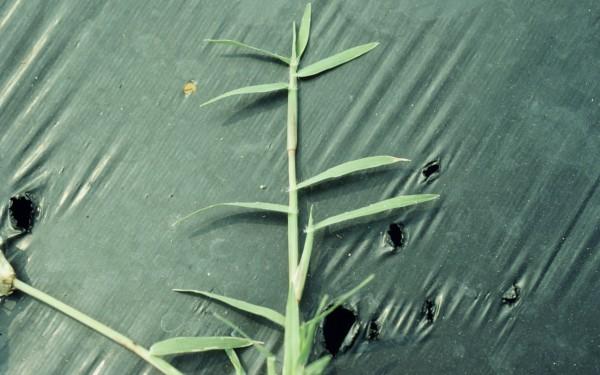
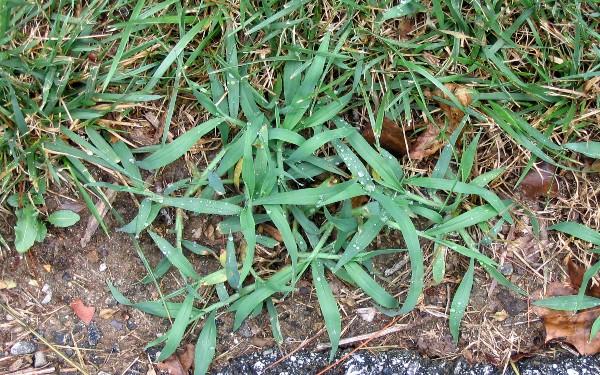
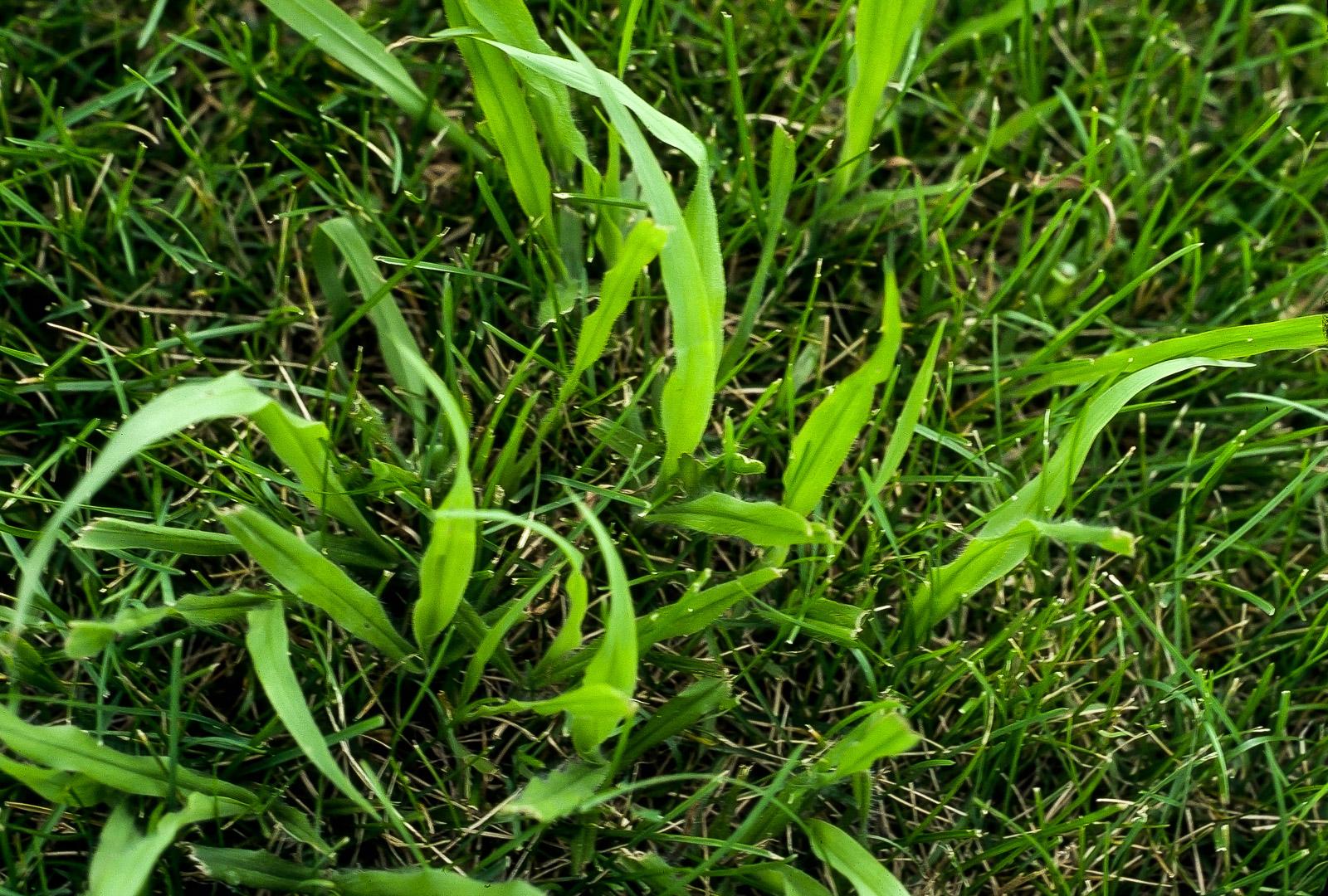
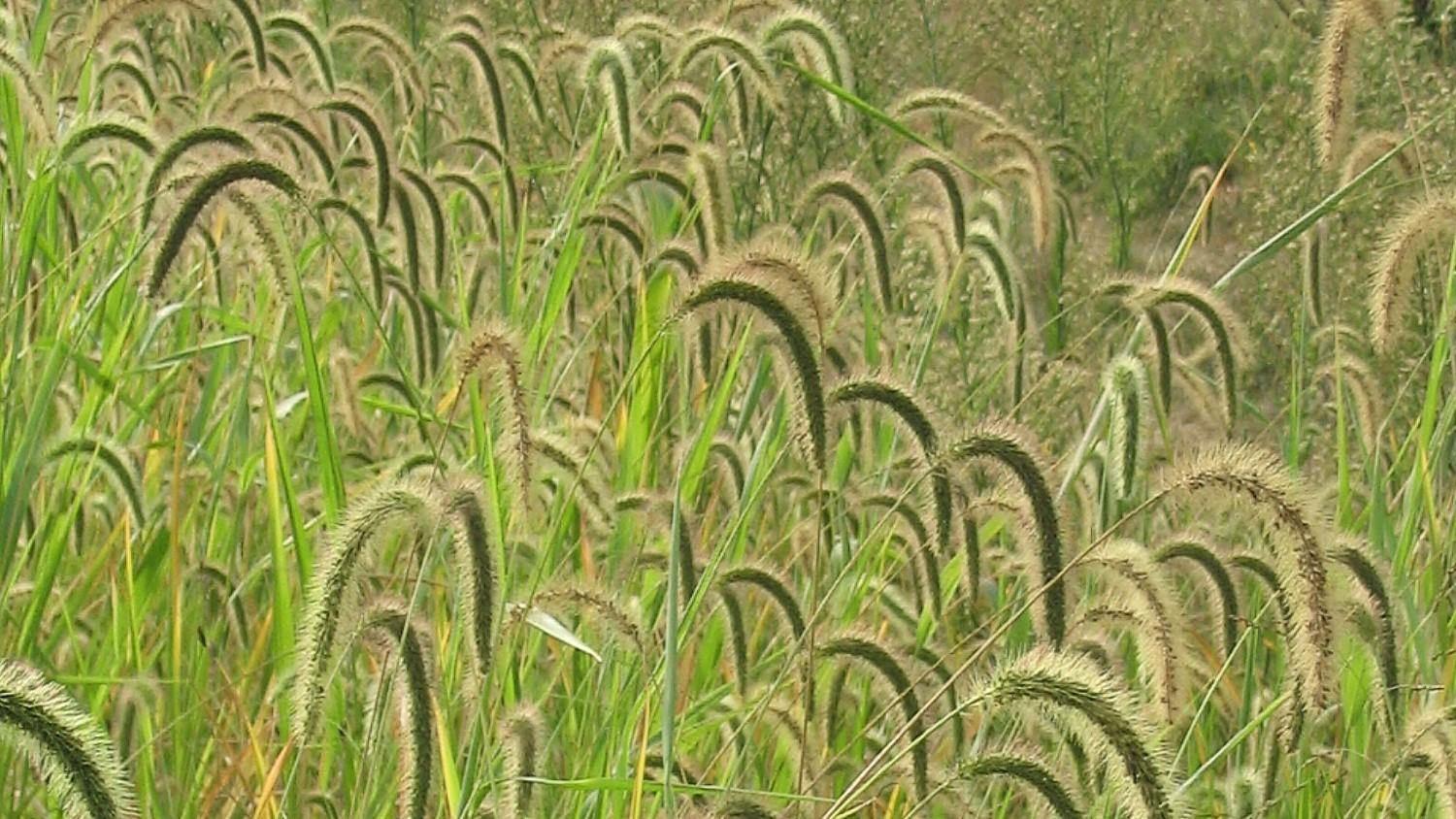
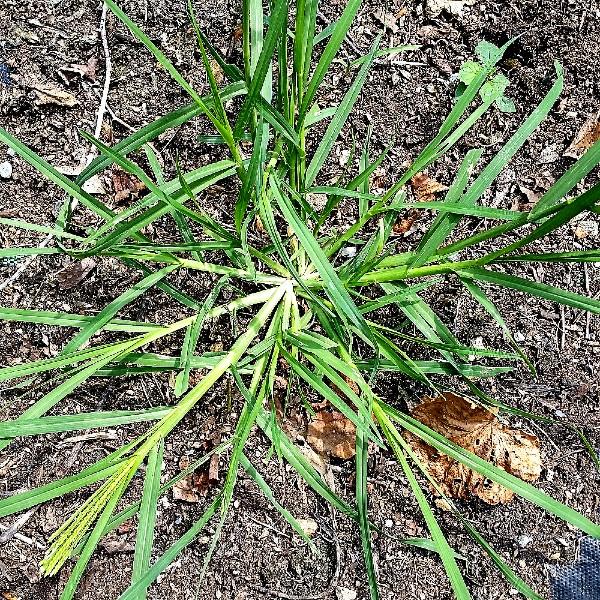
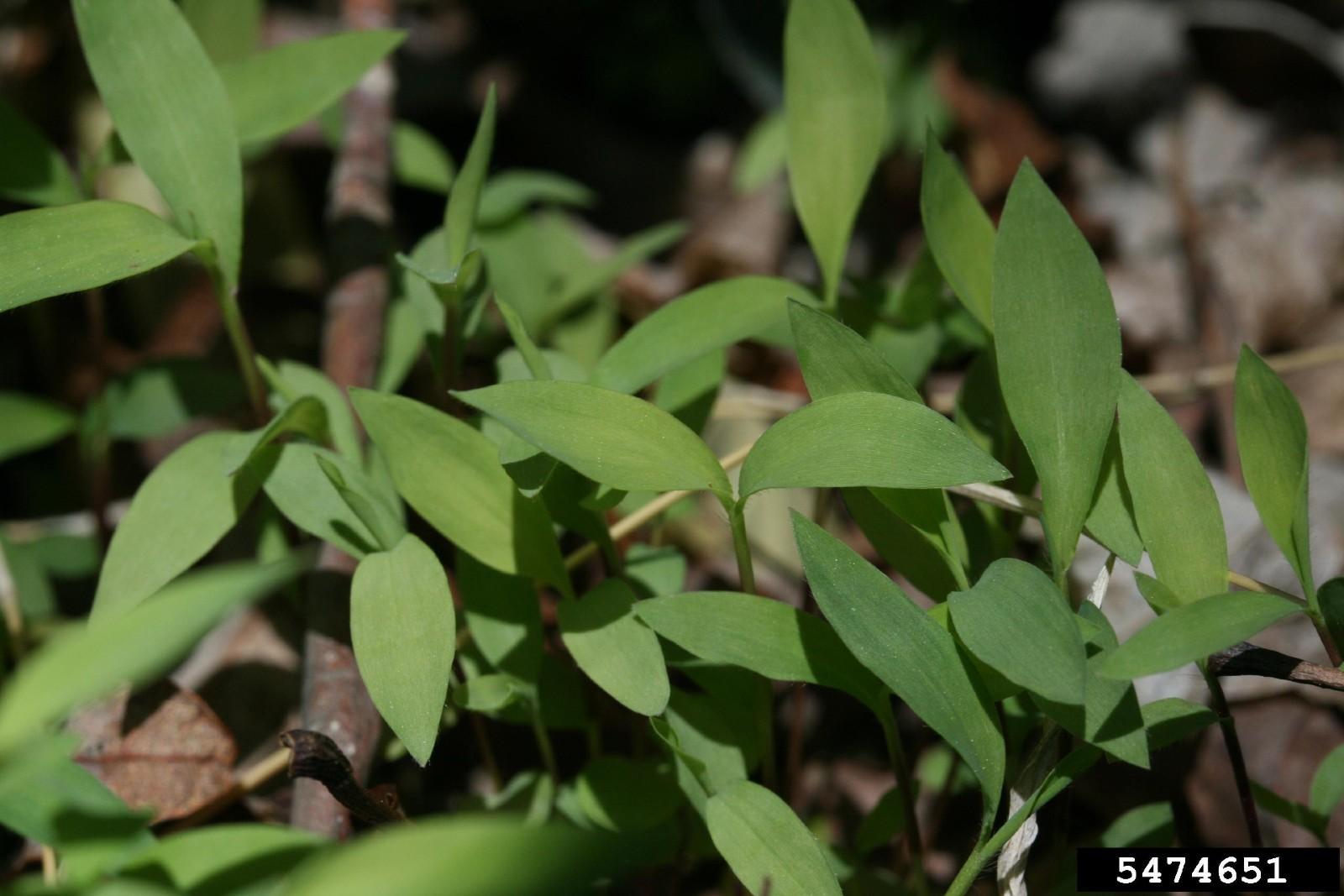


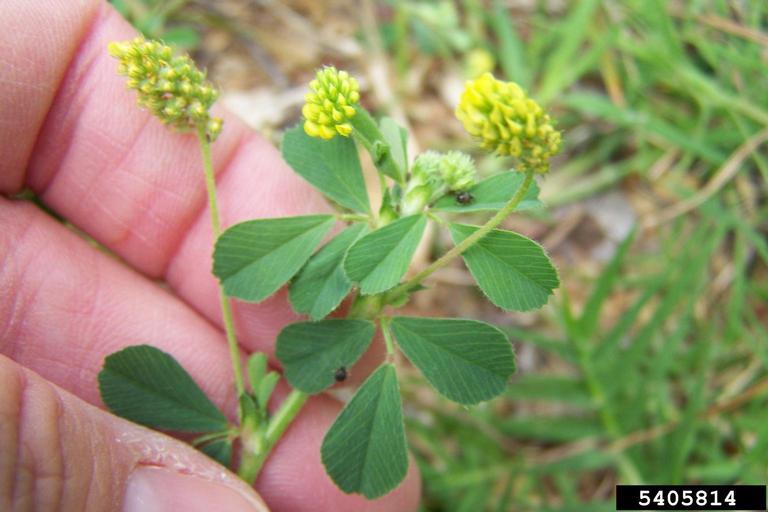
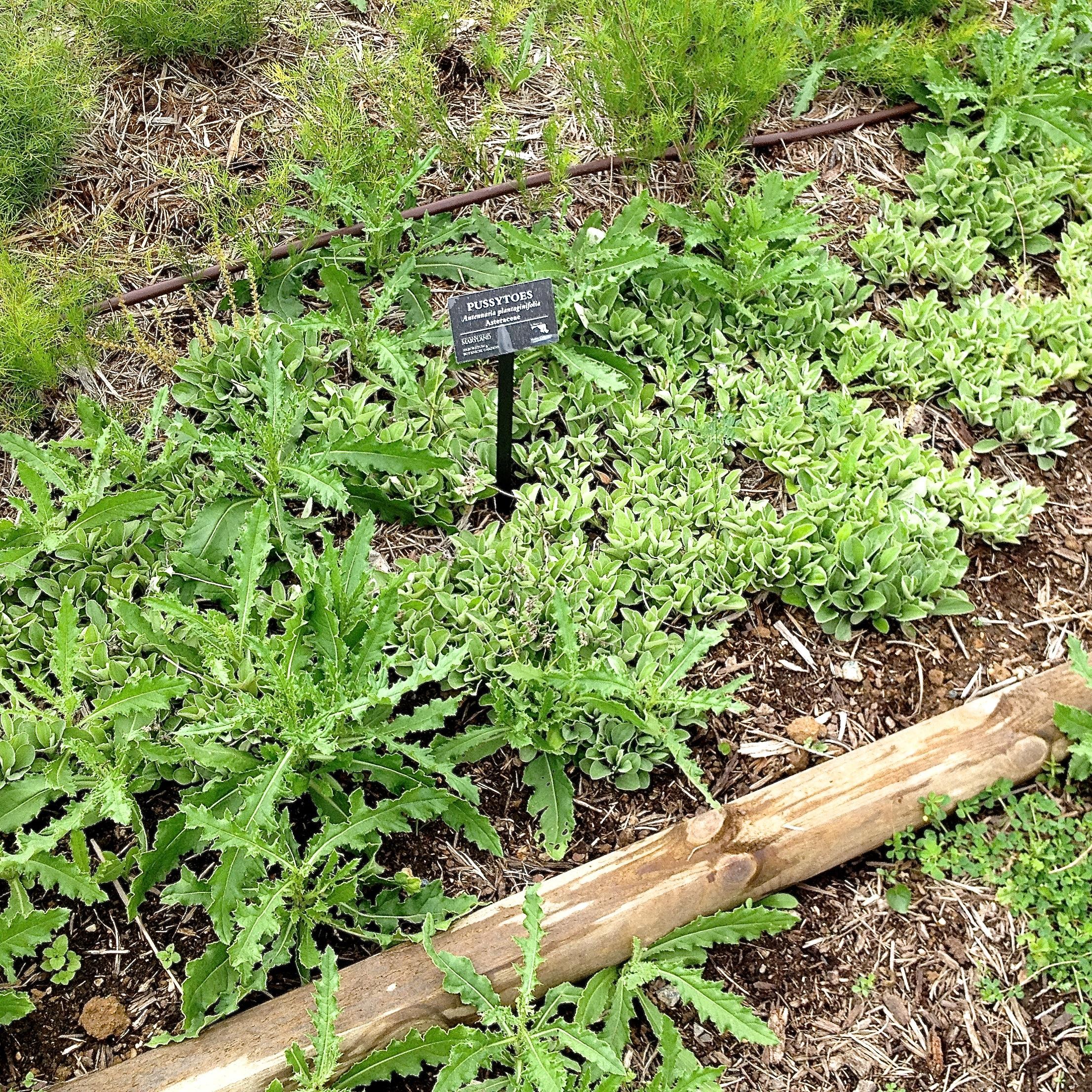
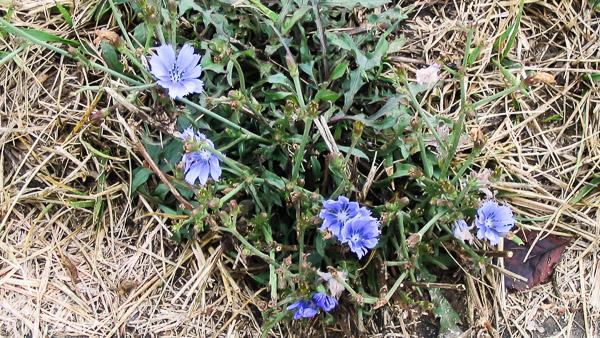
Broadleaf weeds



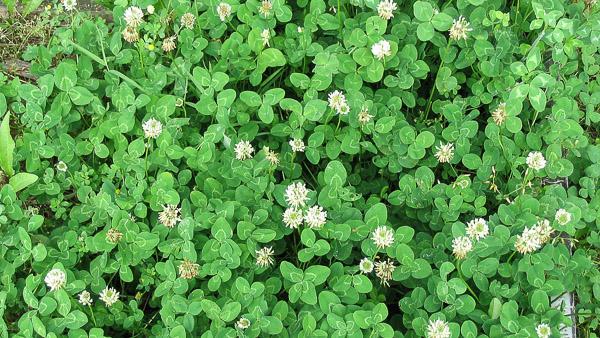
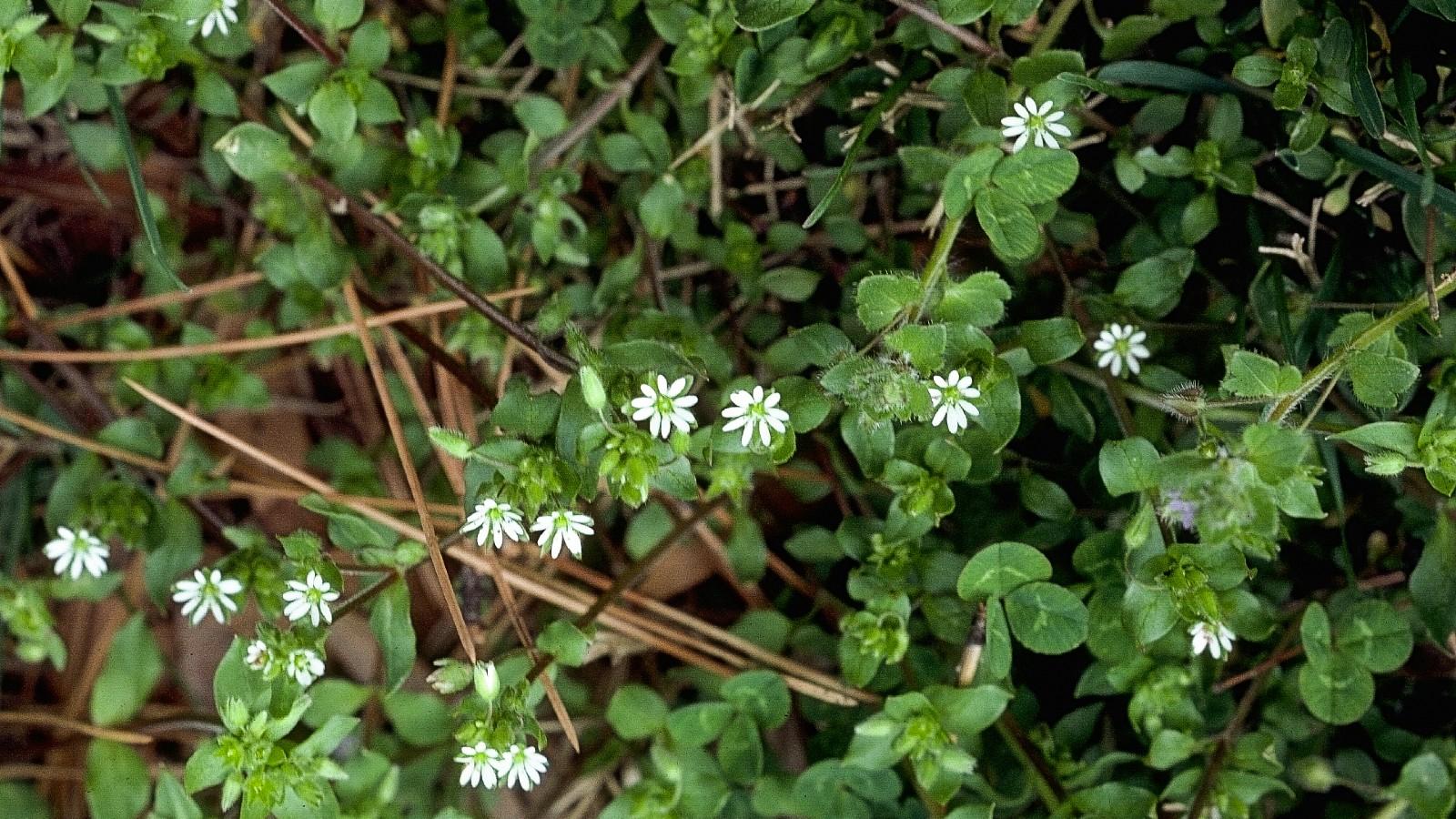
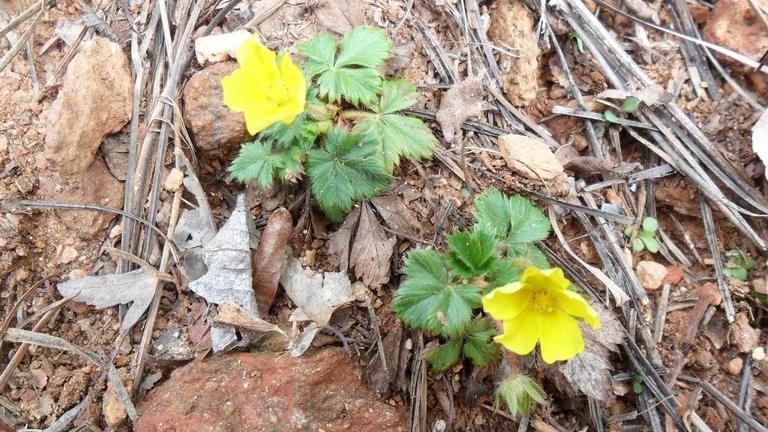
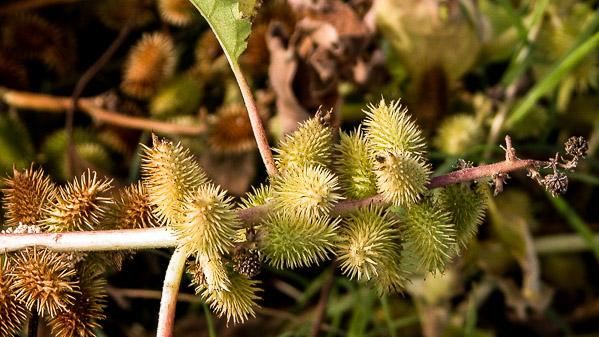

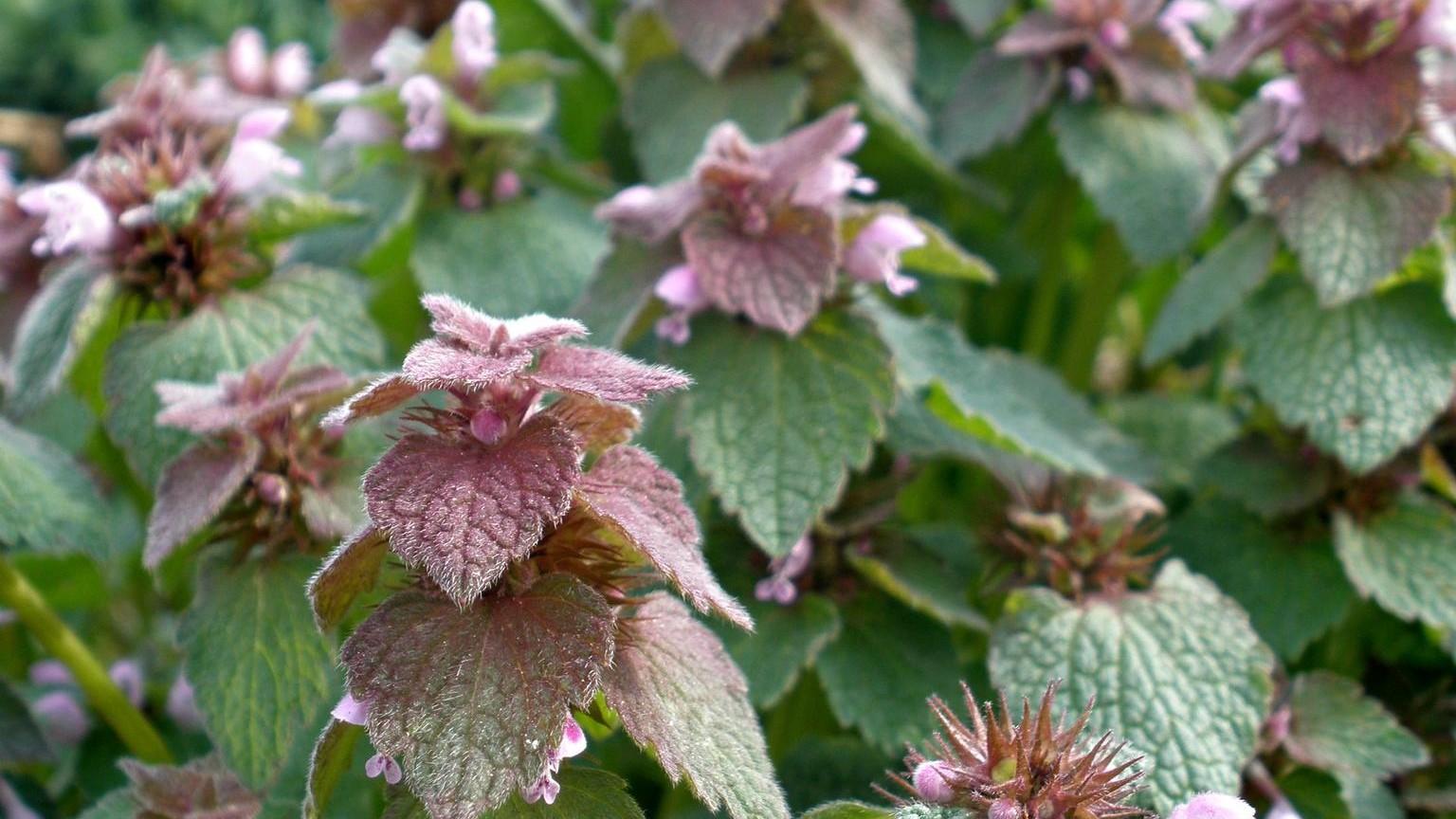
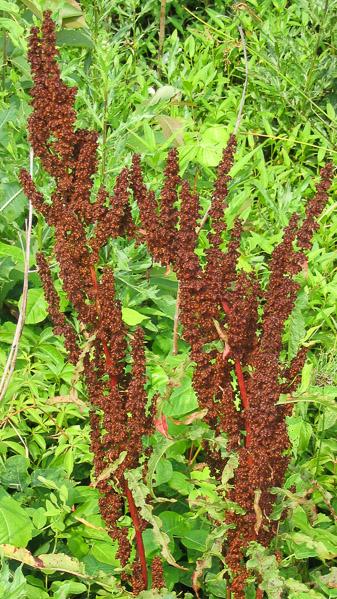
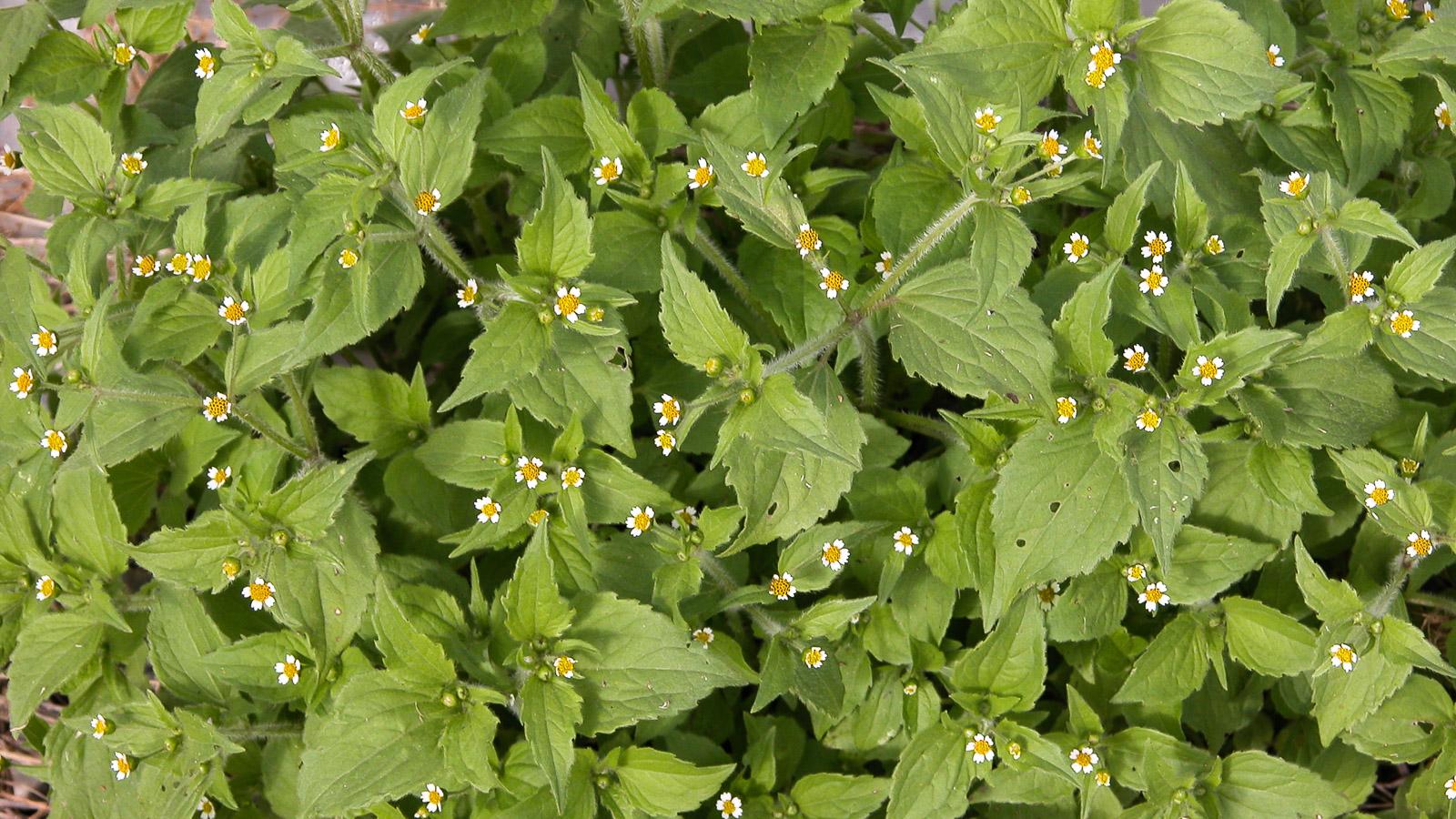
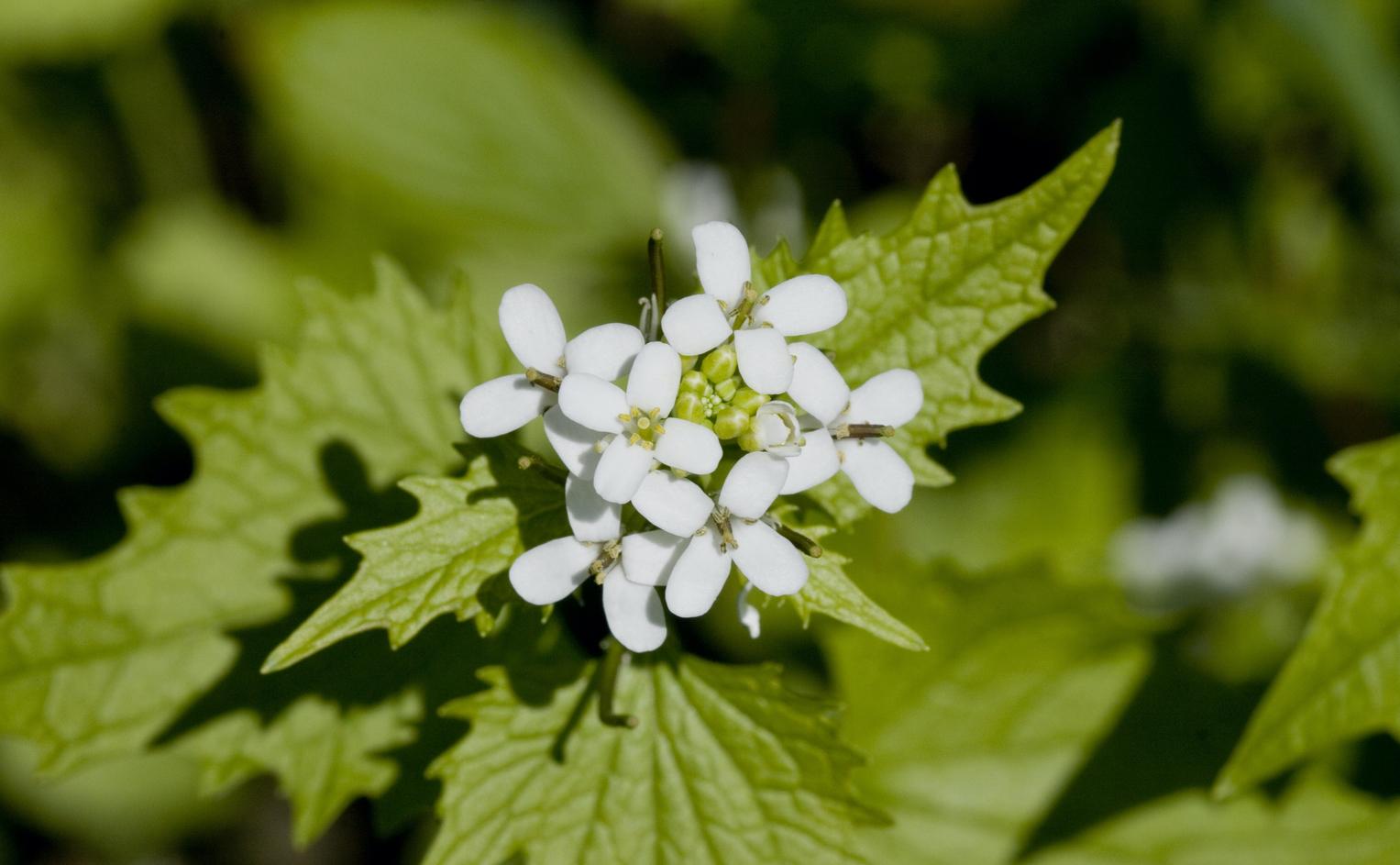
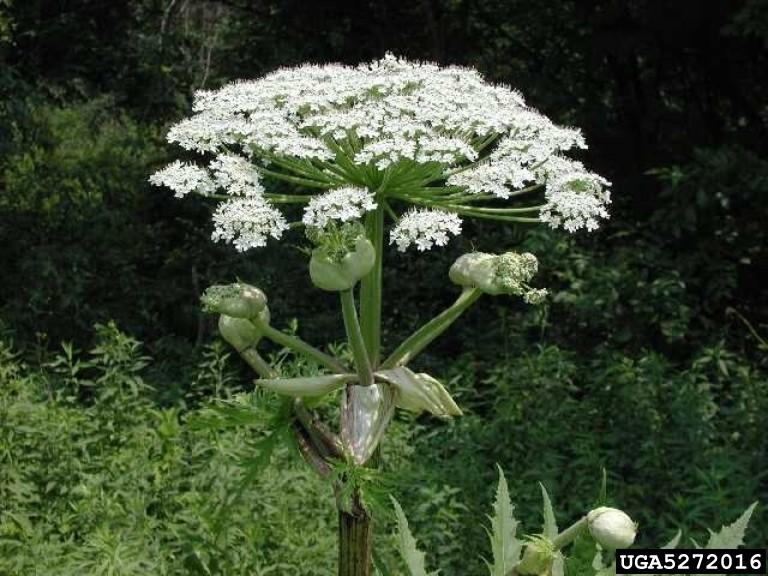
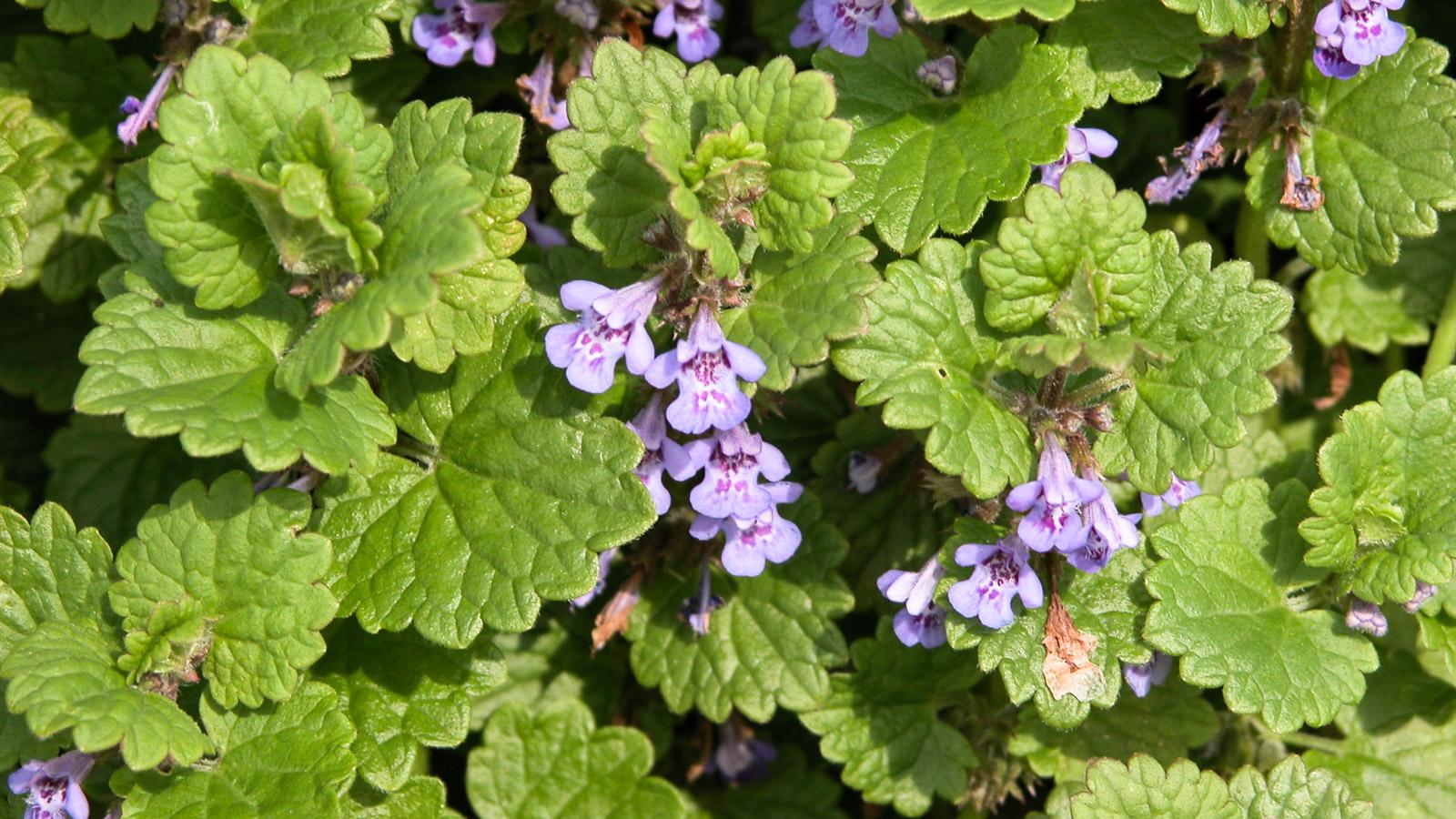
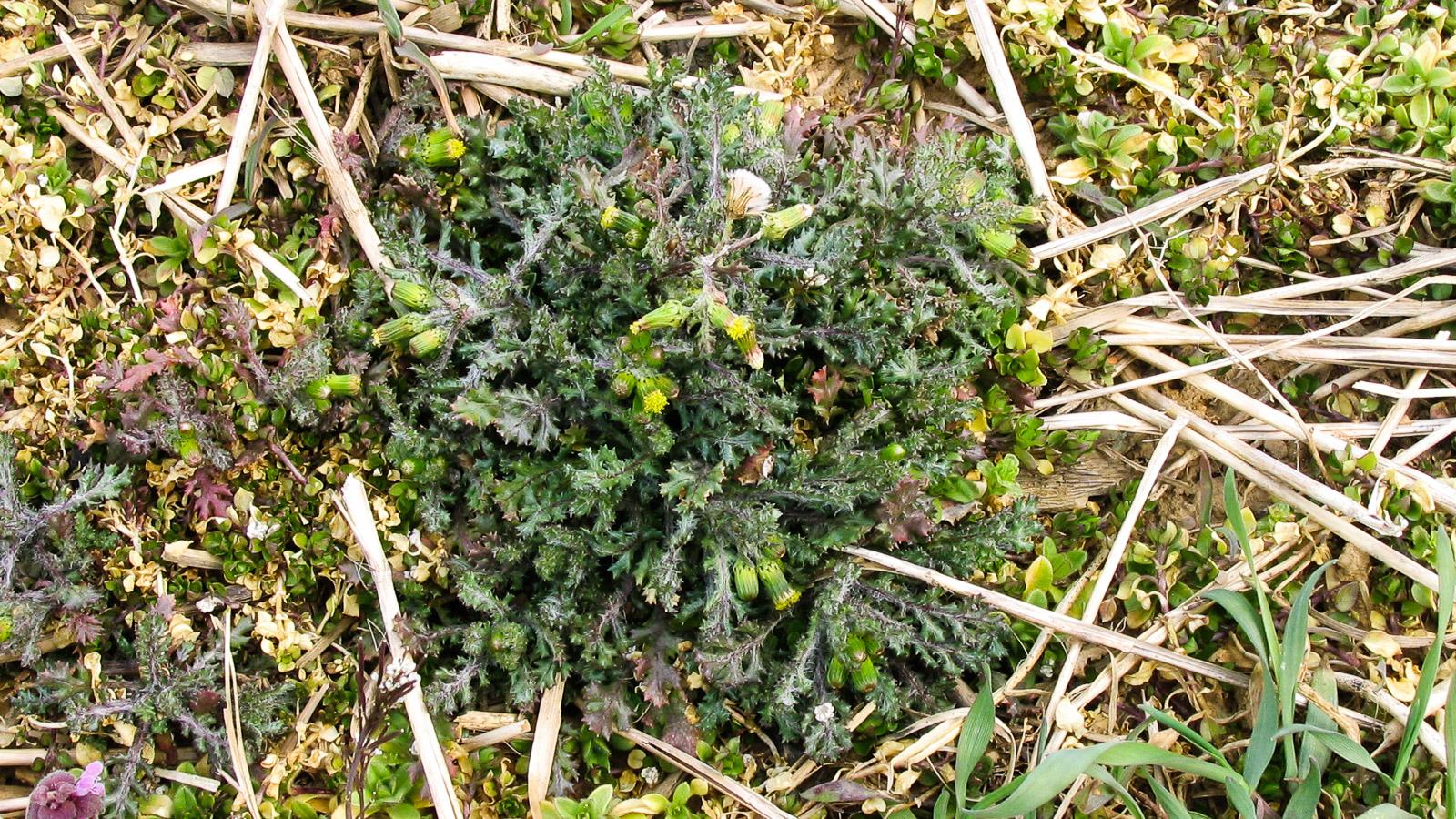
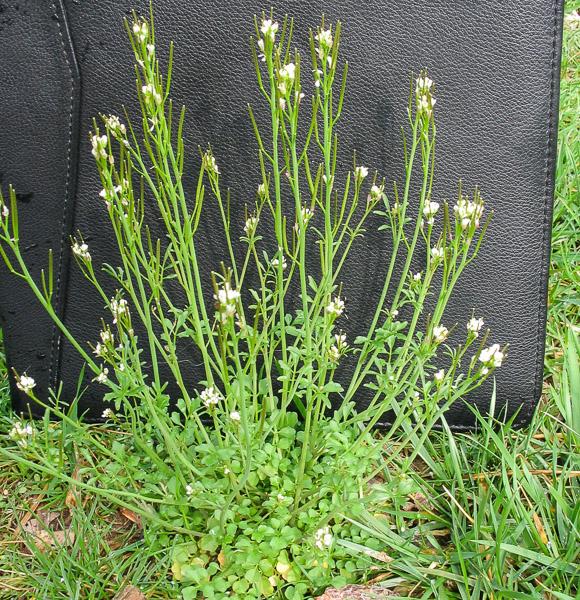
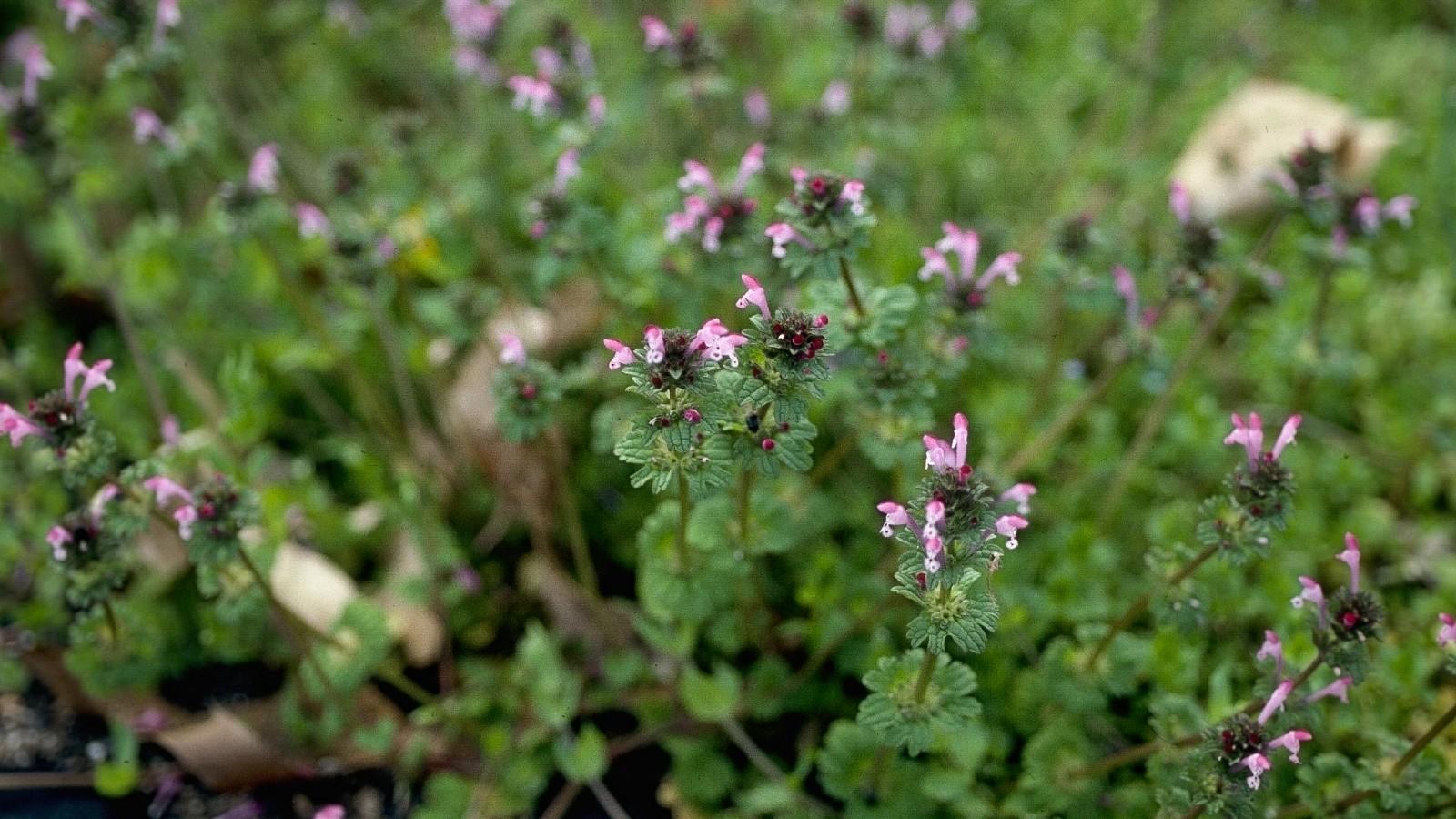
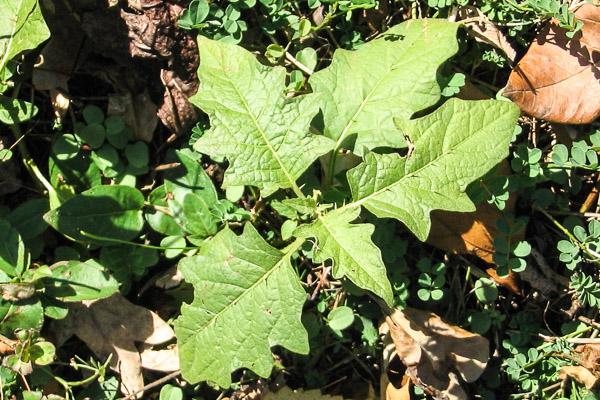


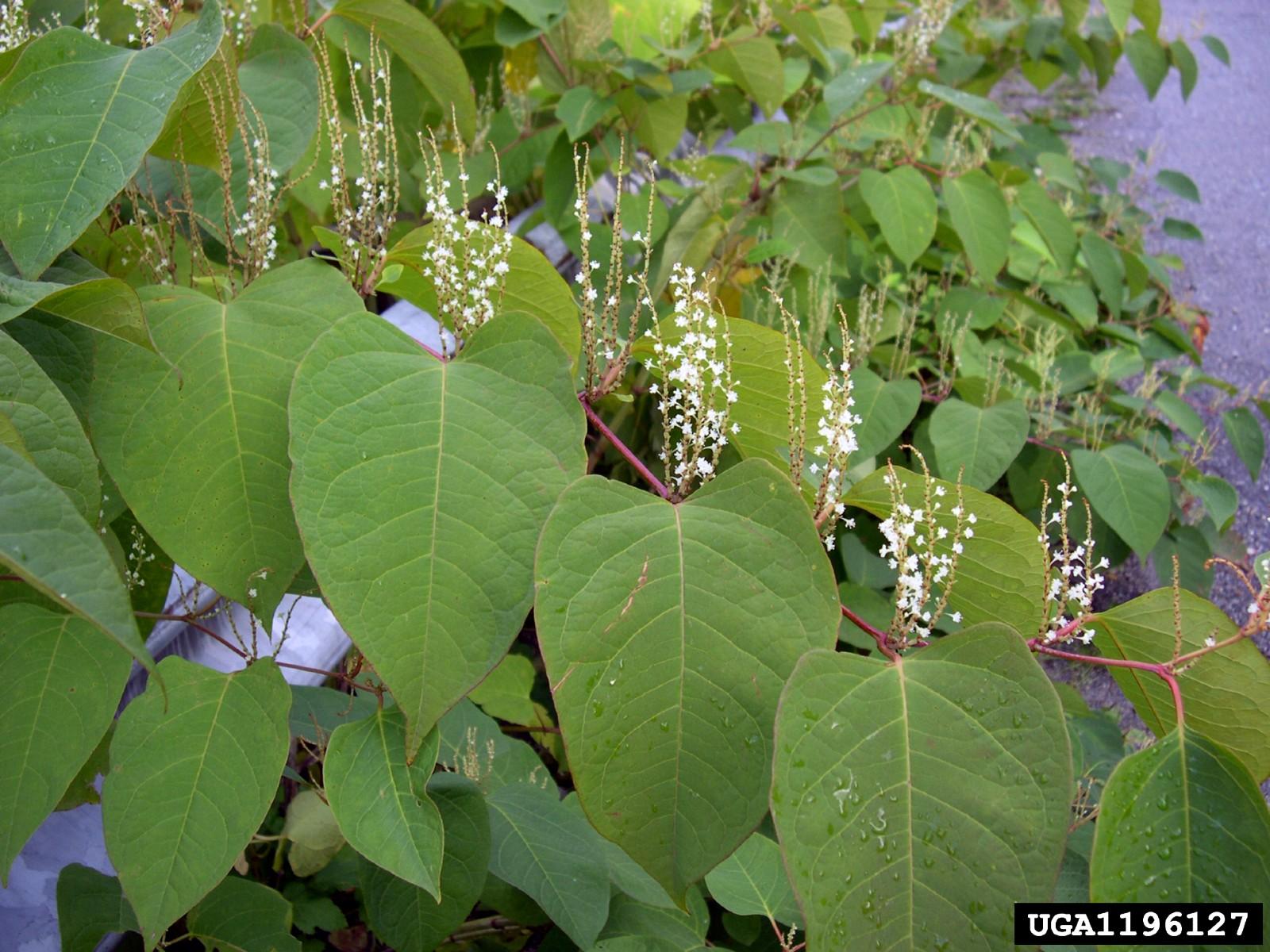
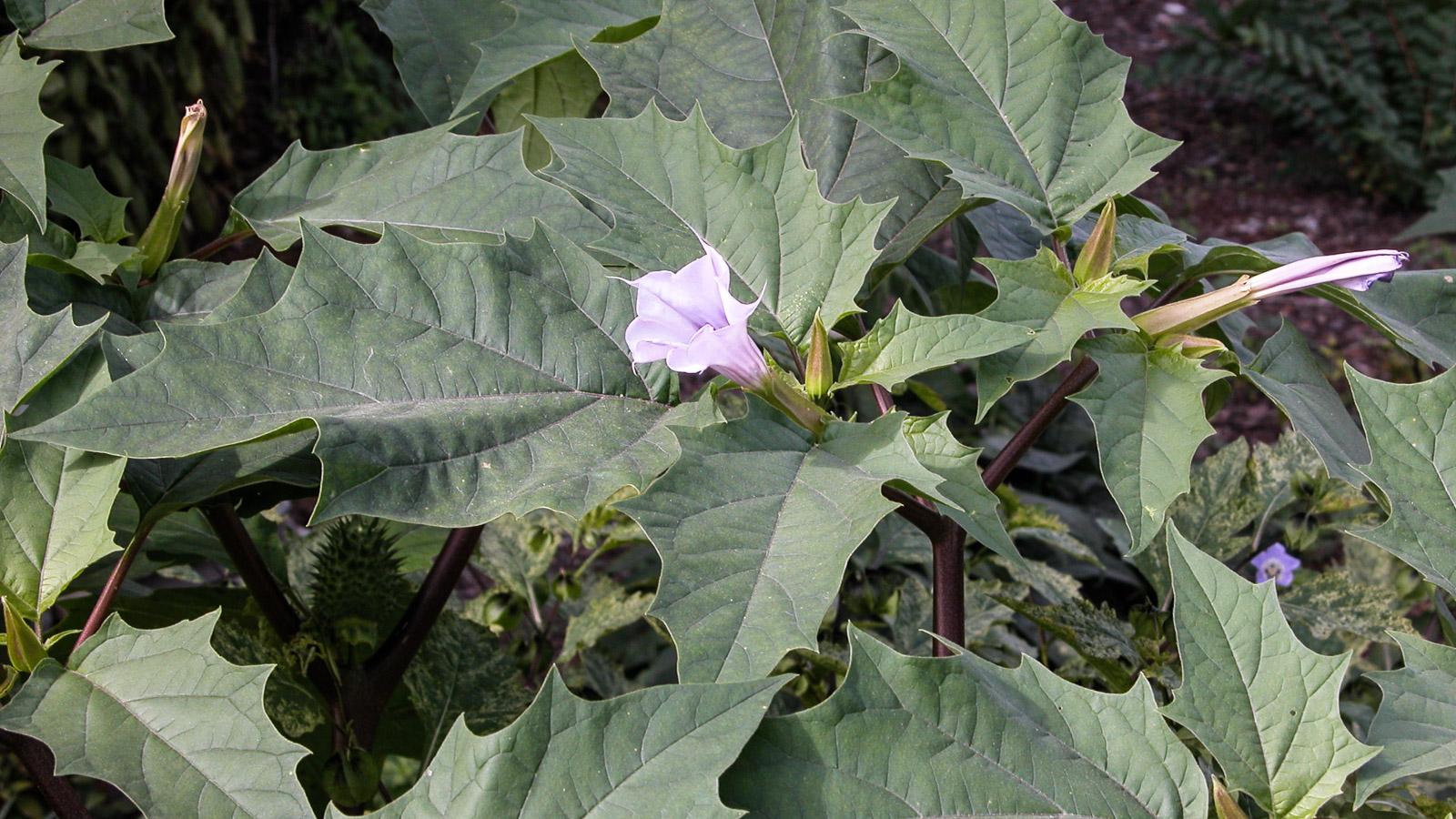
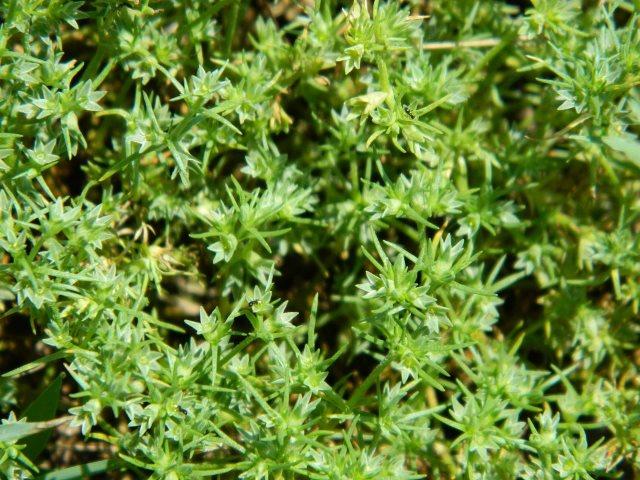
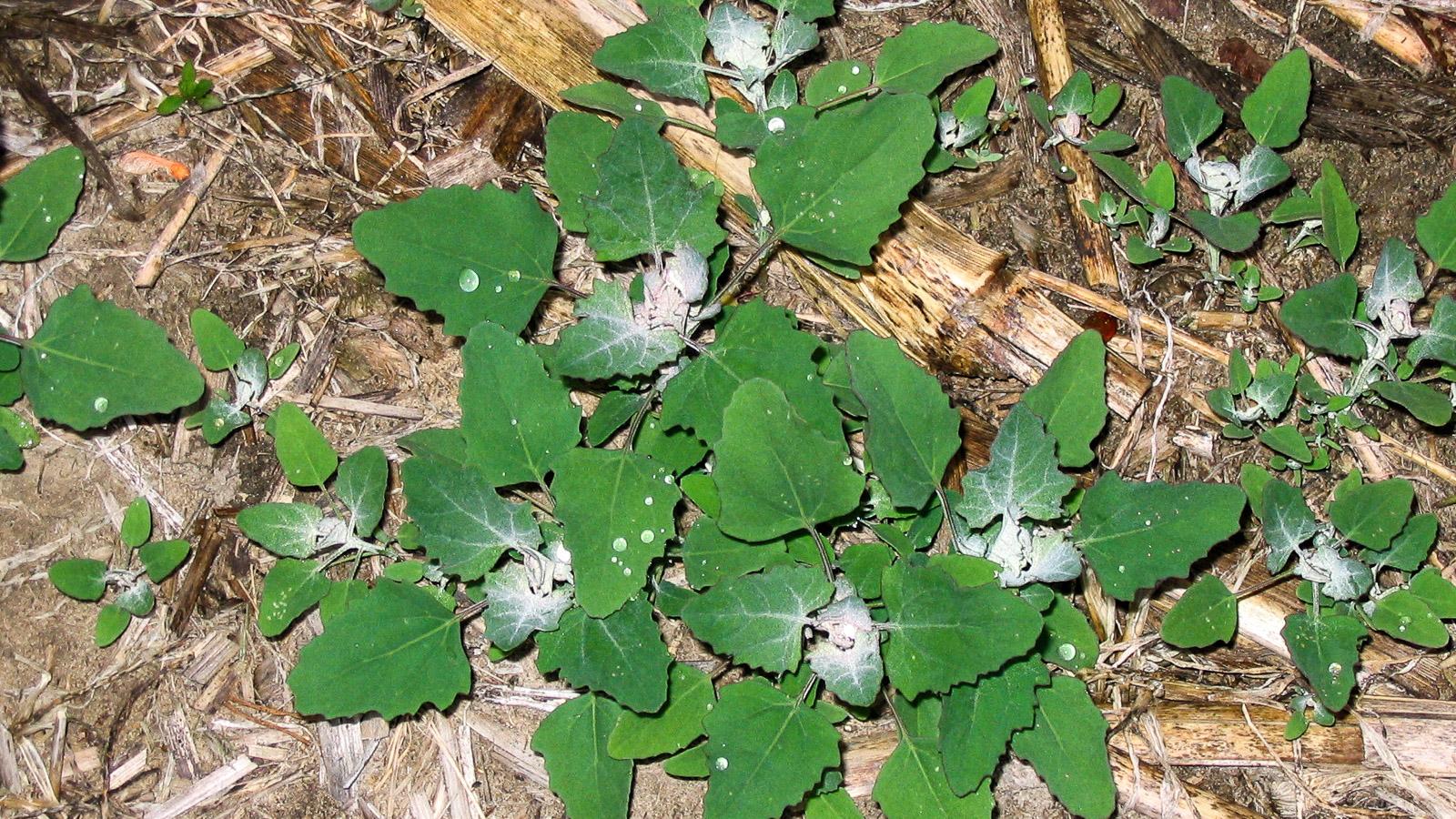
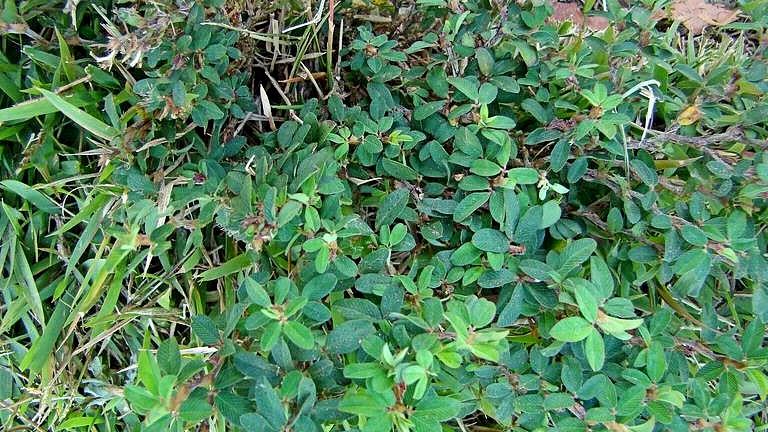
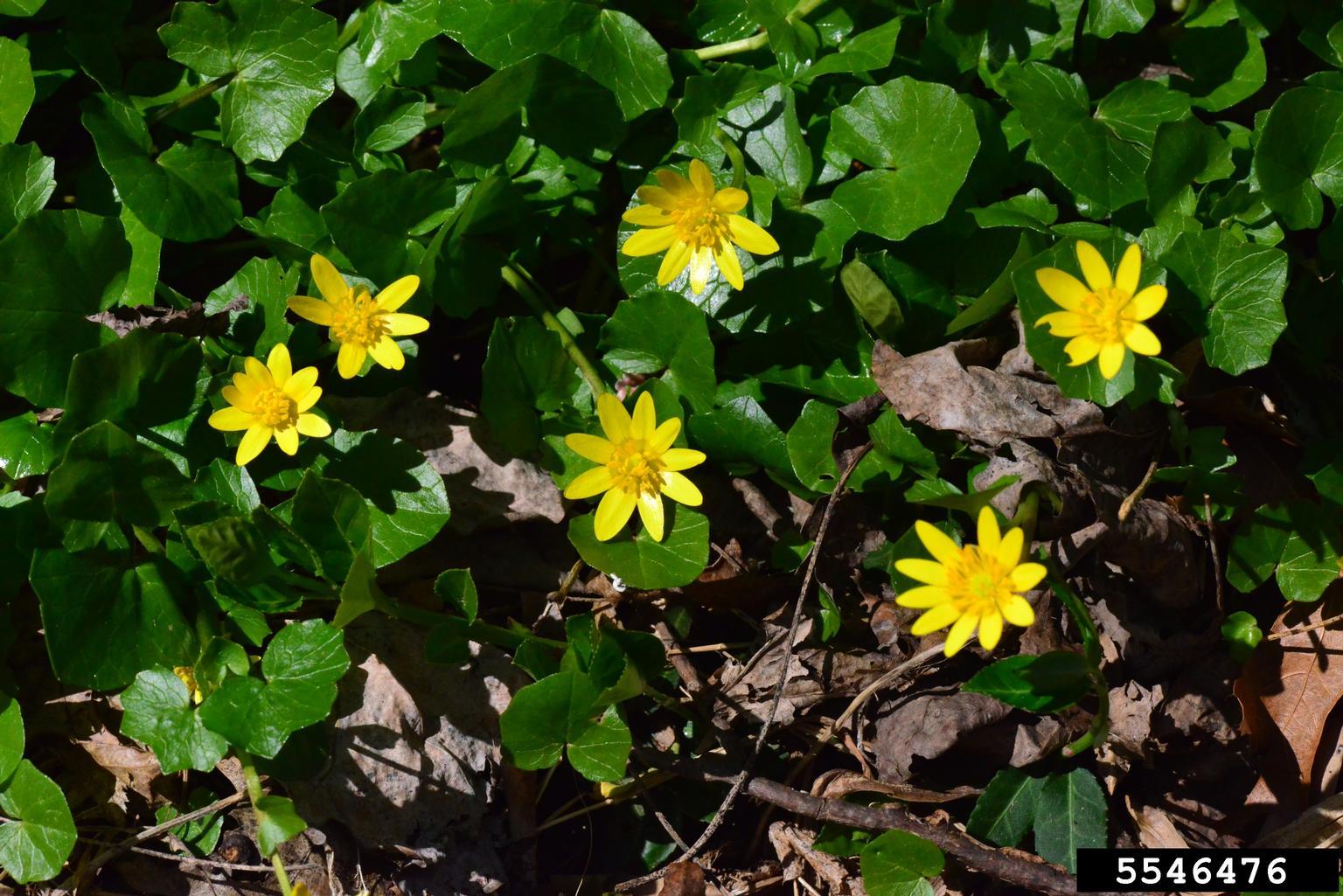
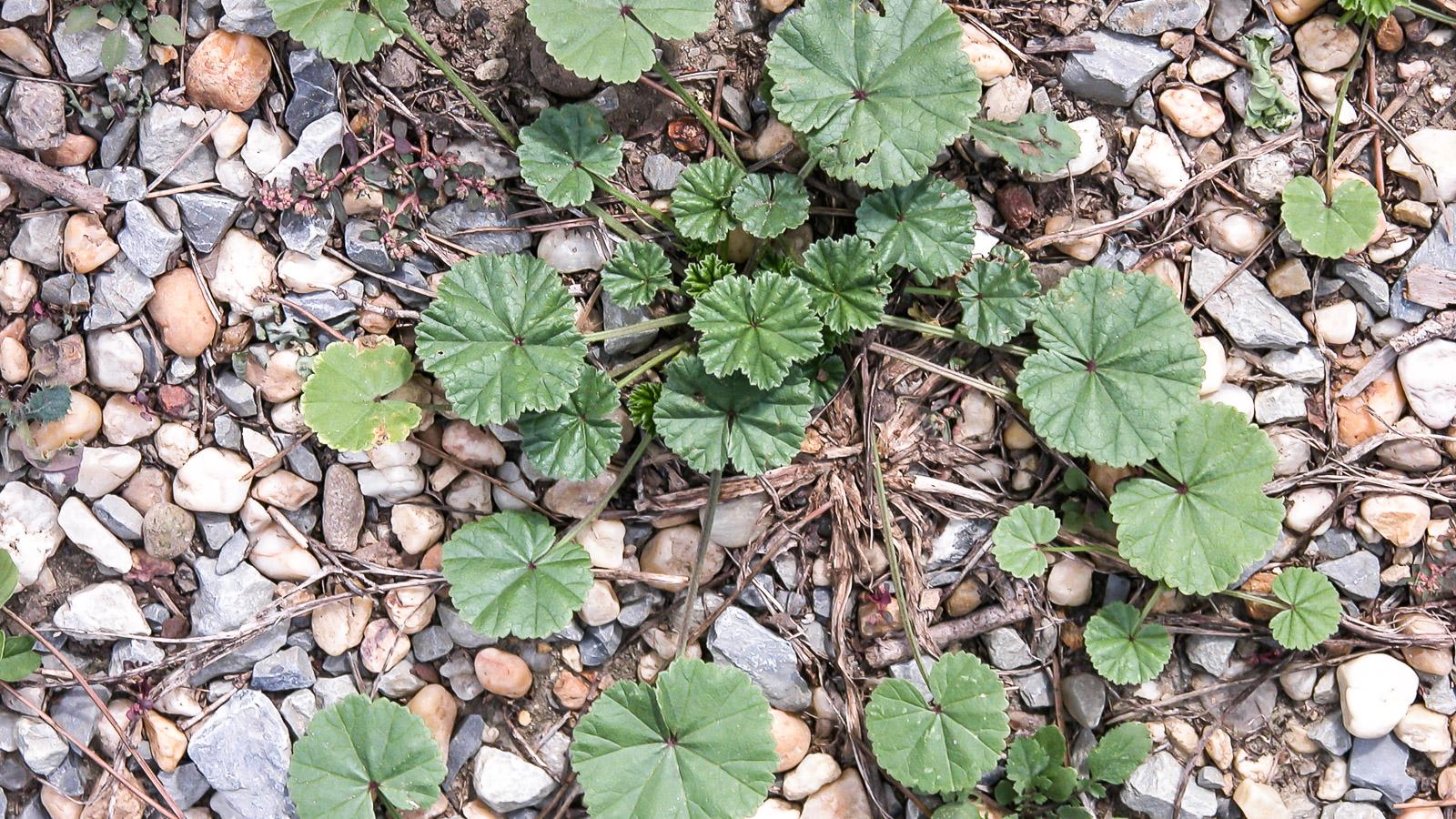

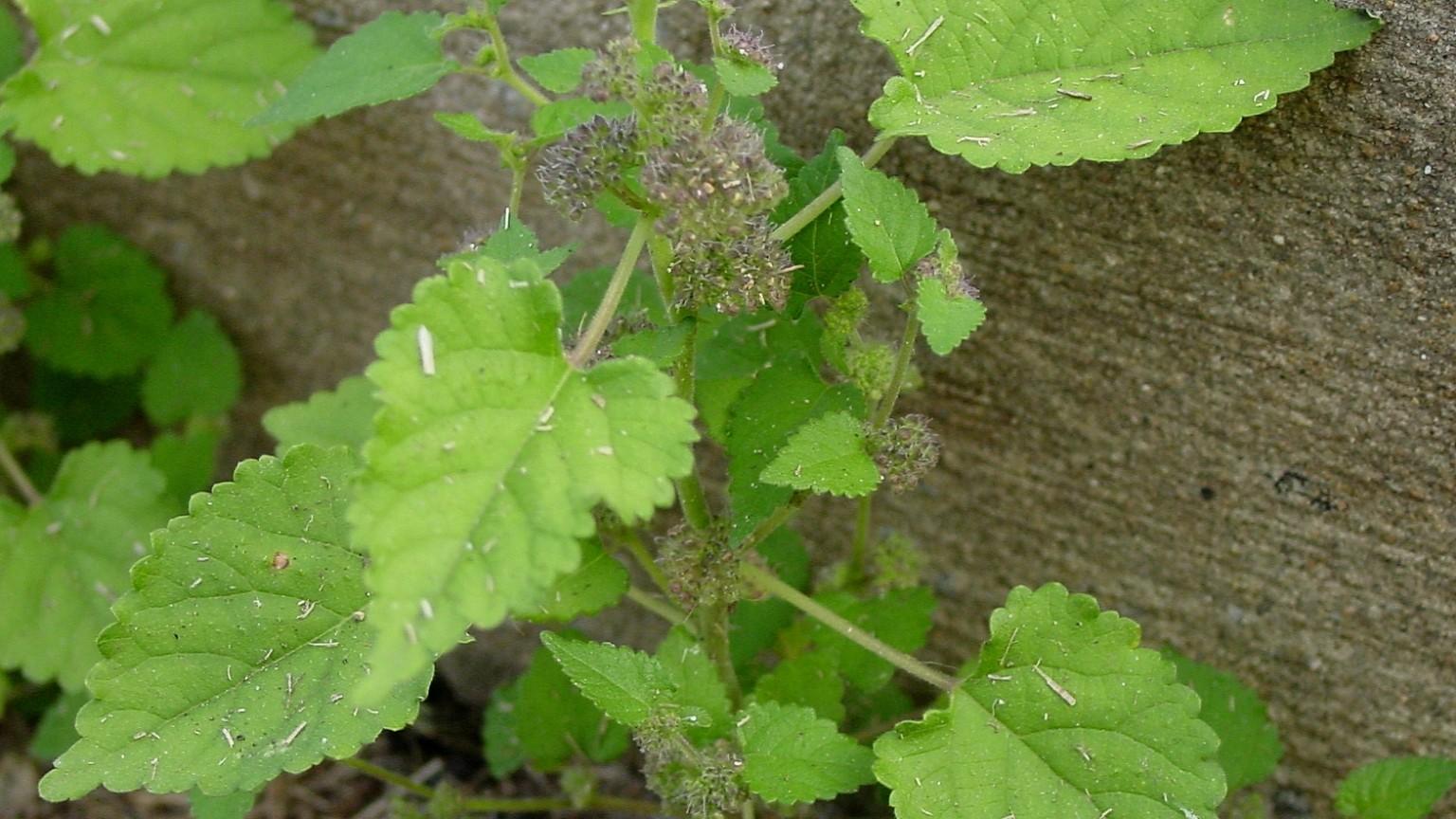
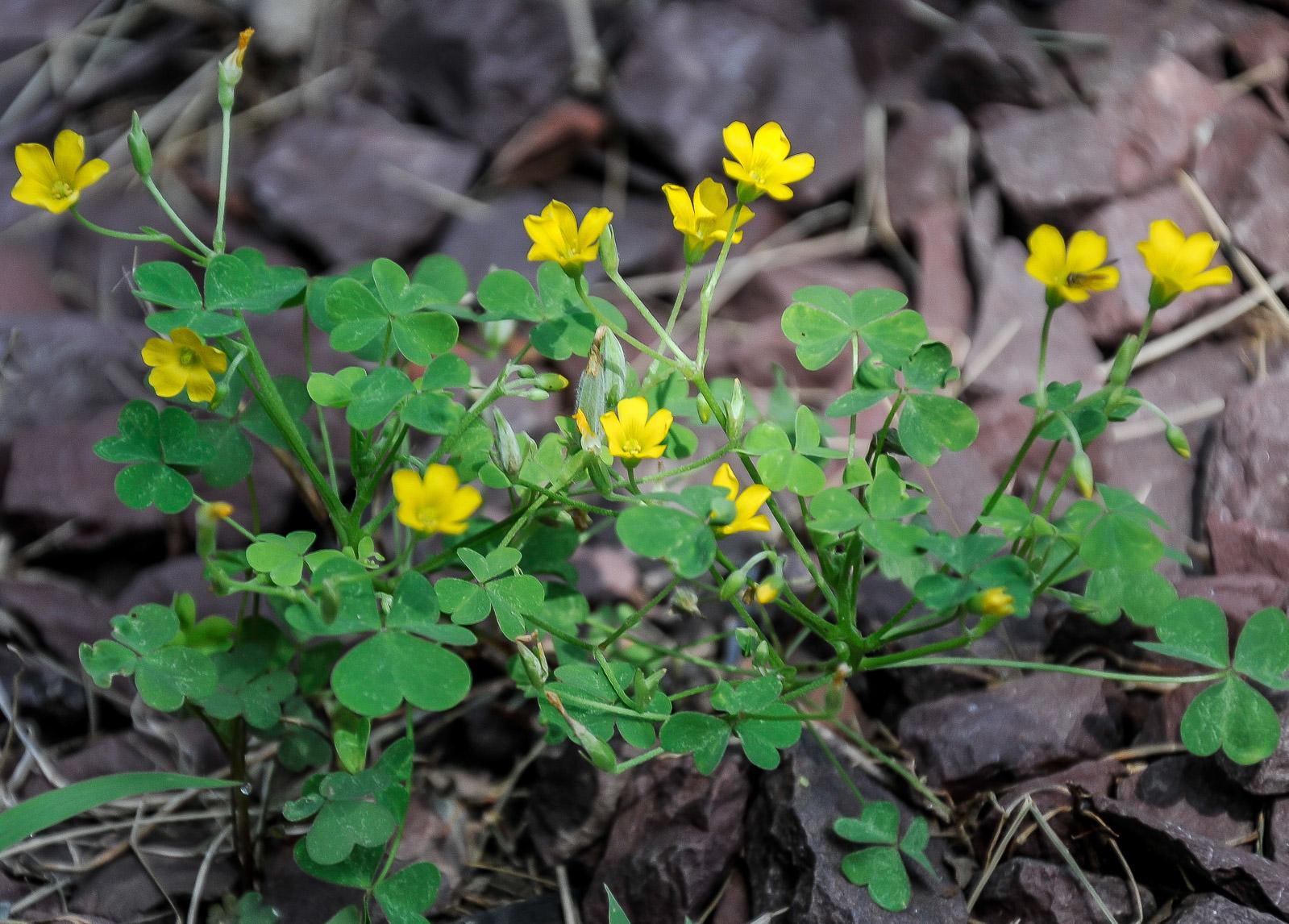
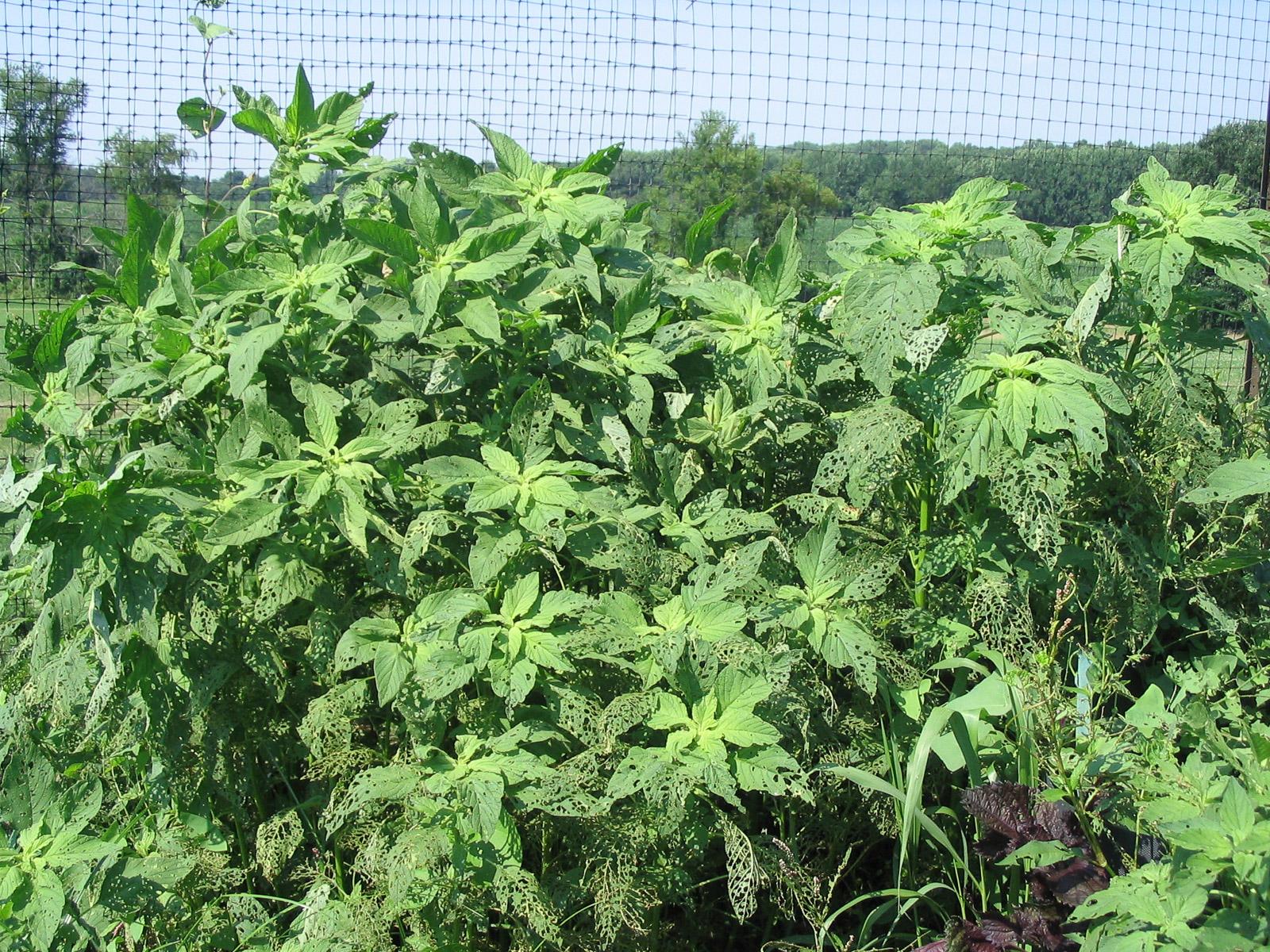

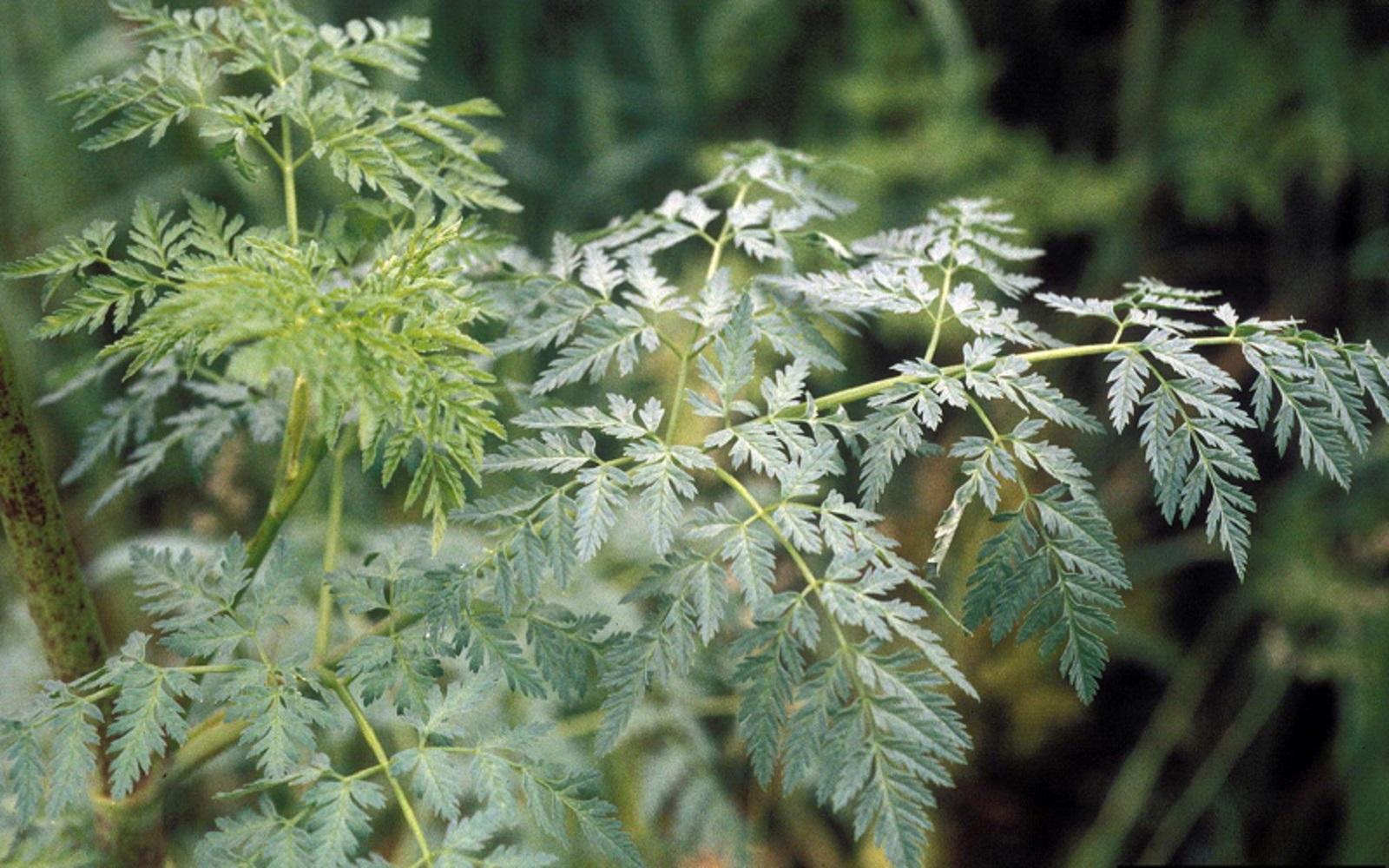


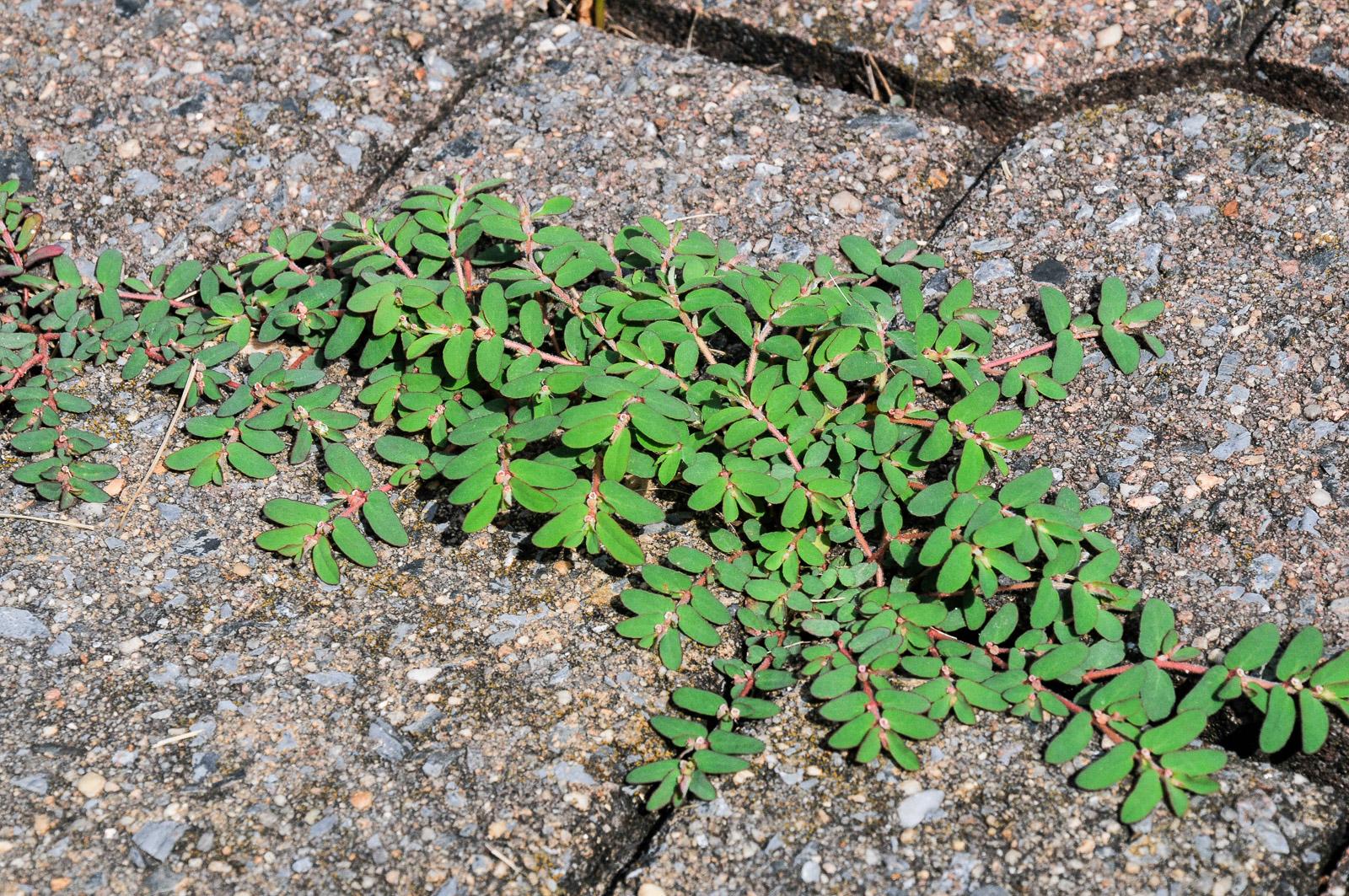


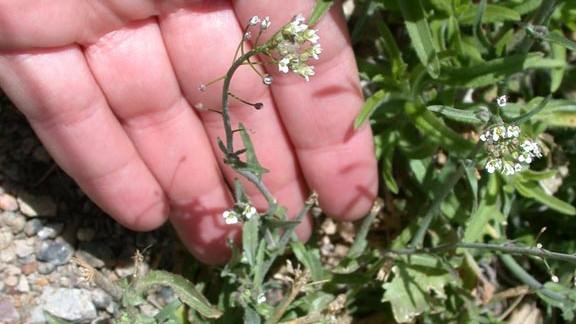
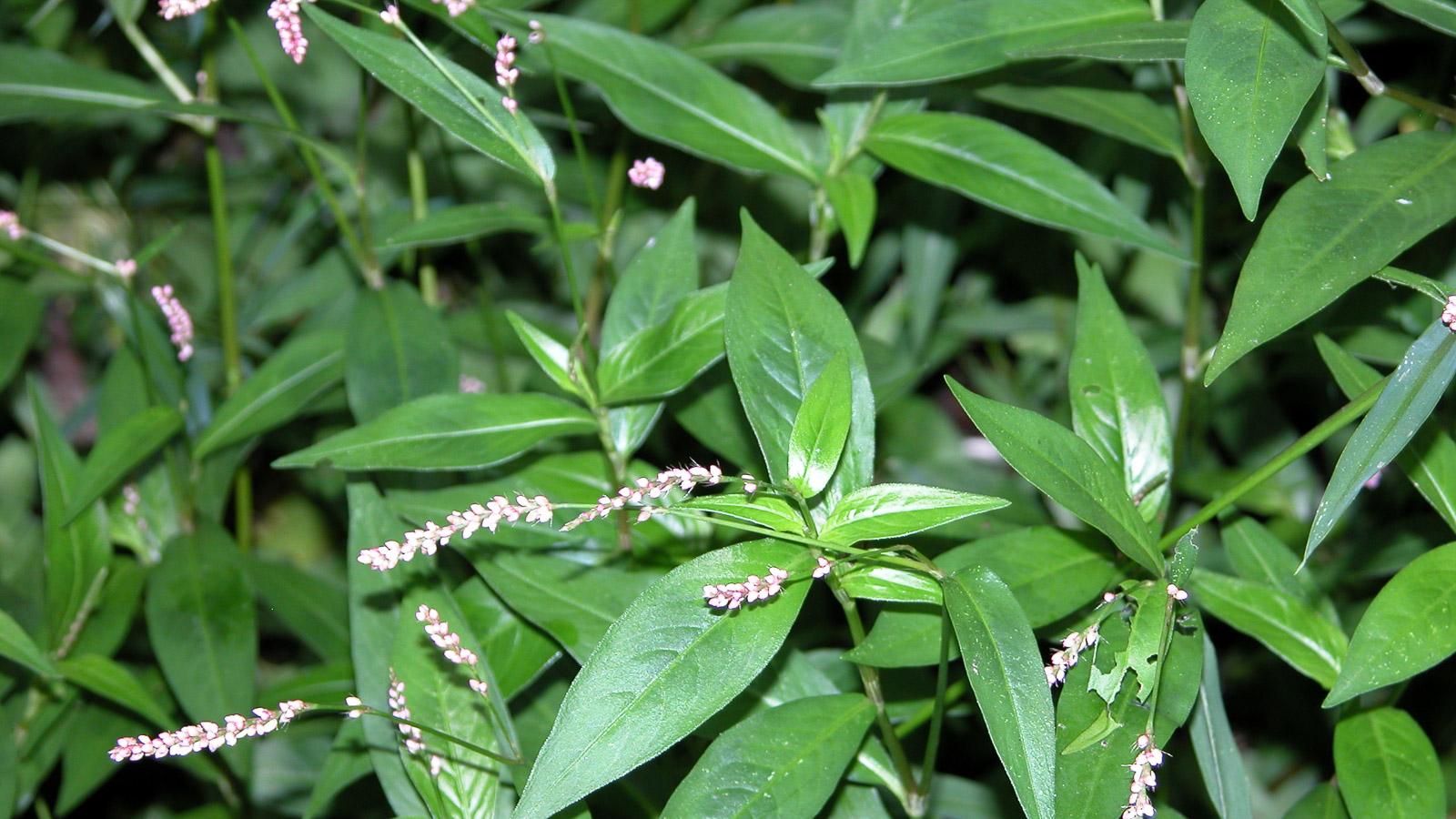
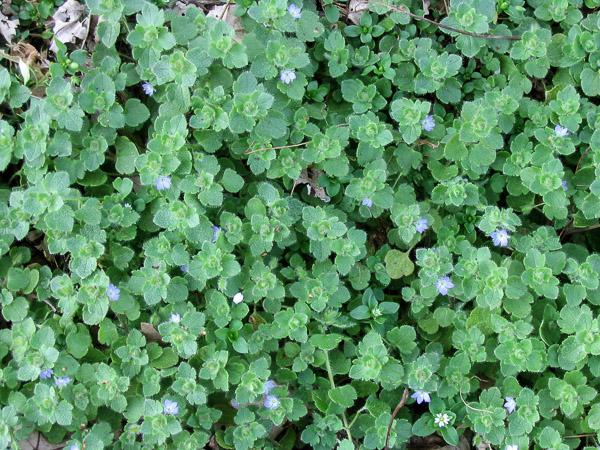
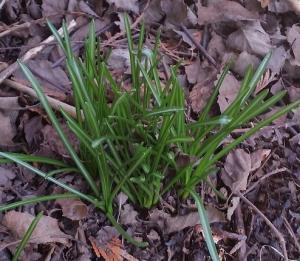
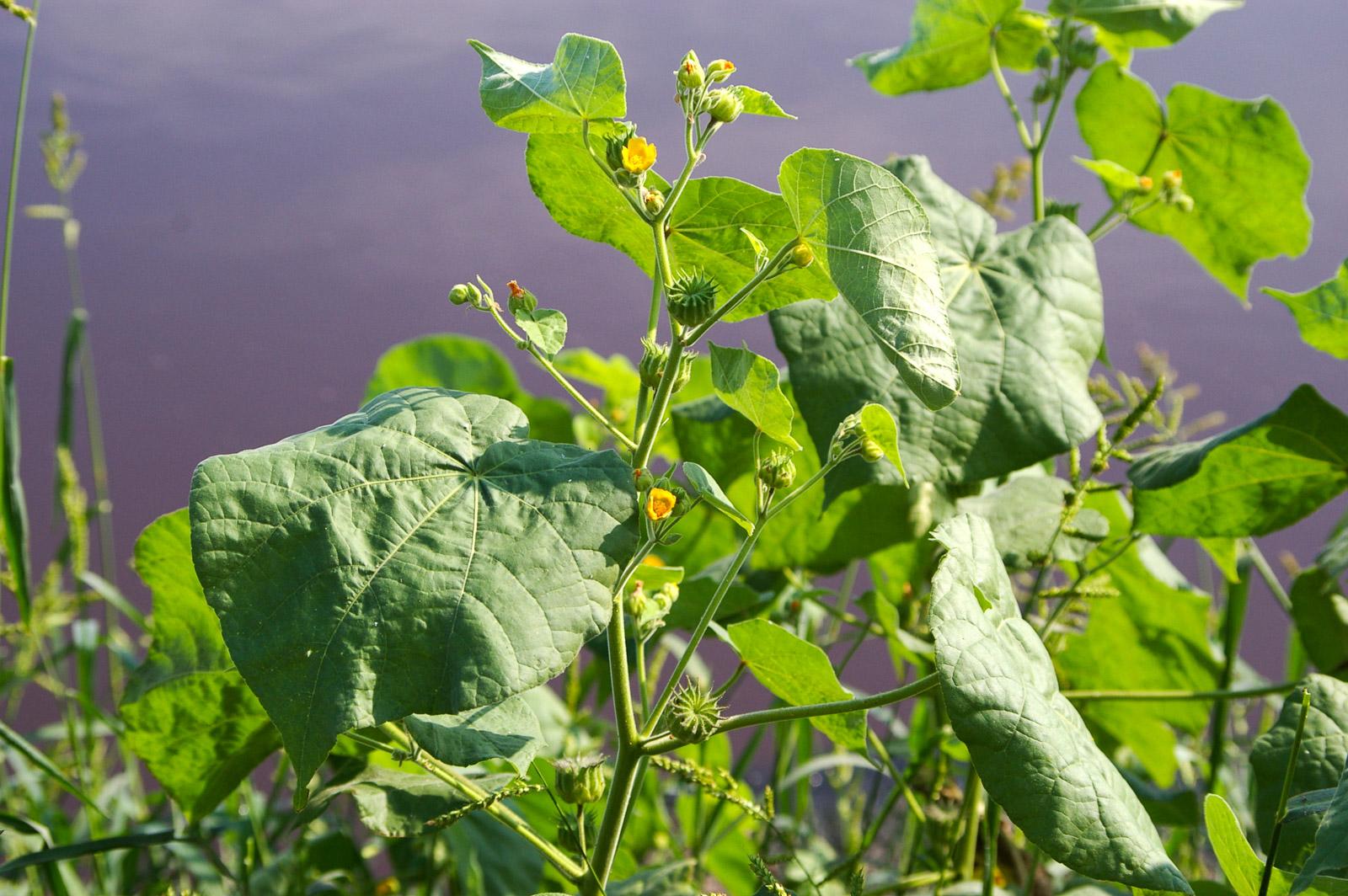
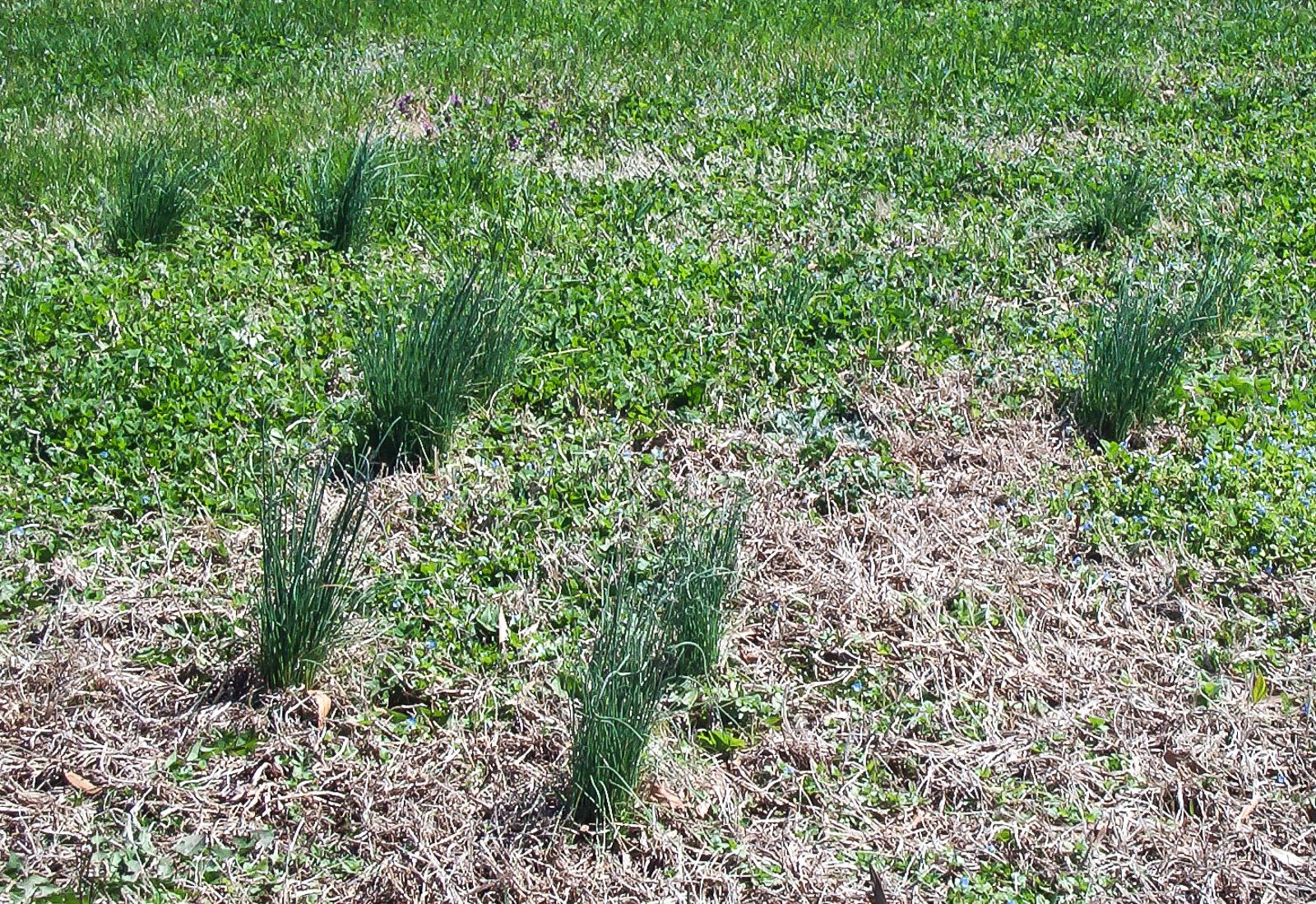
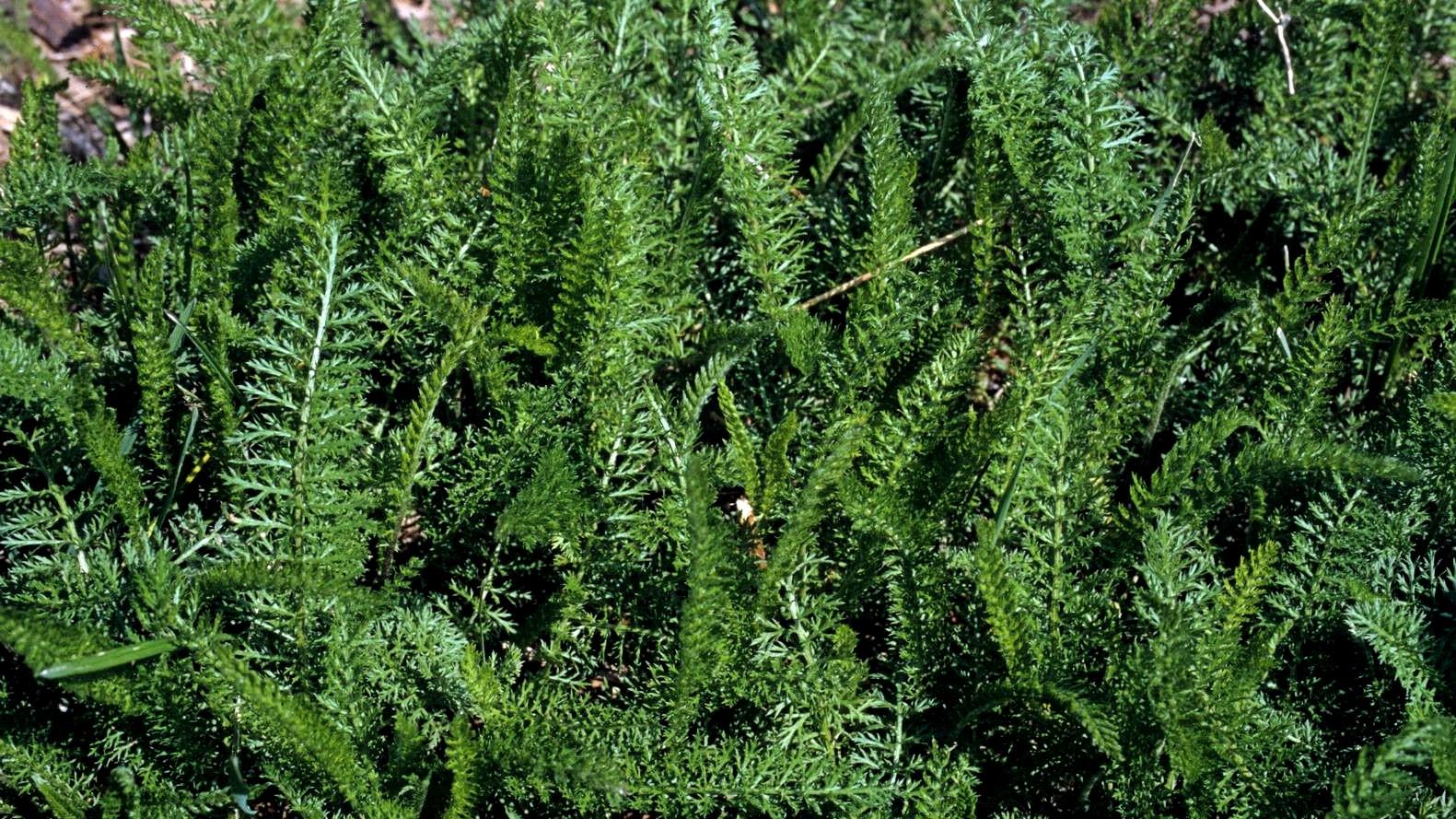
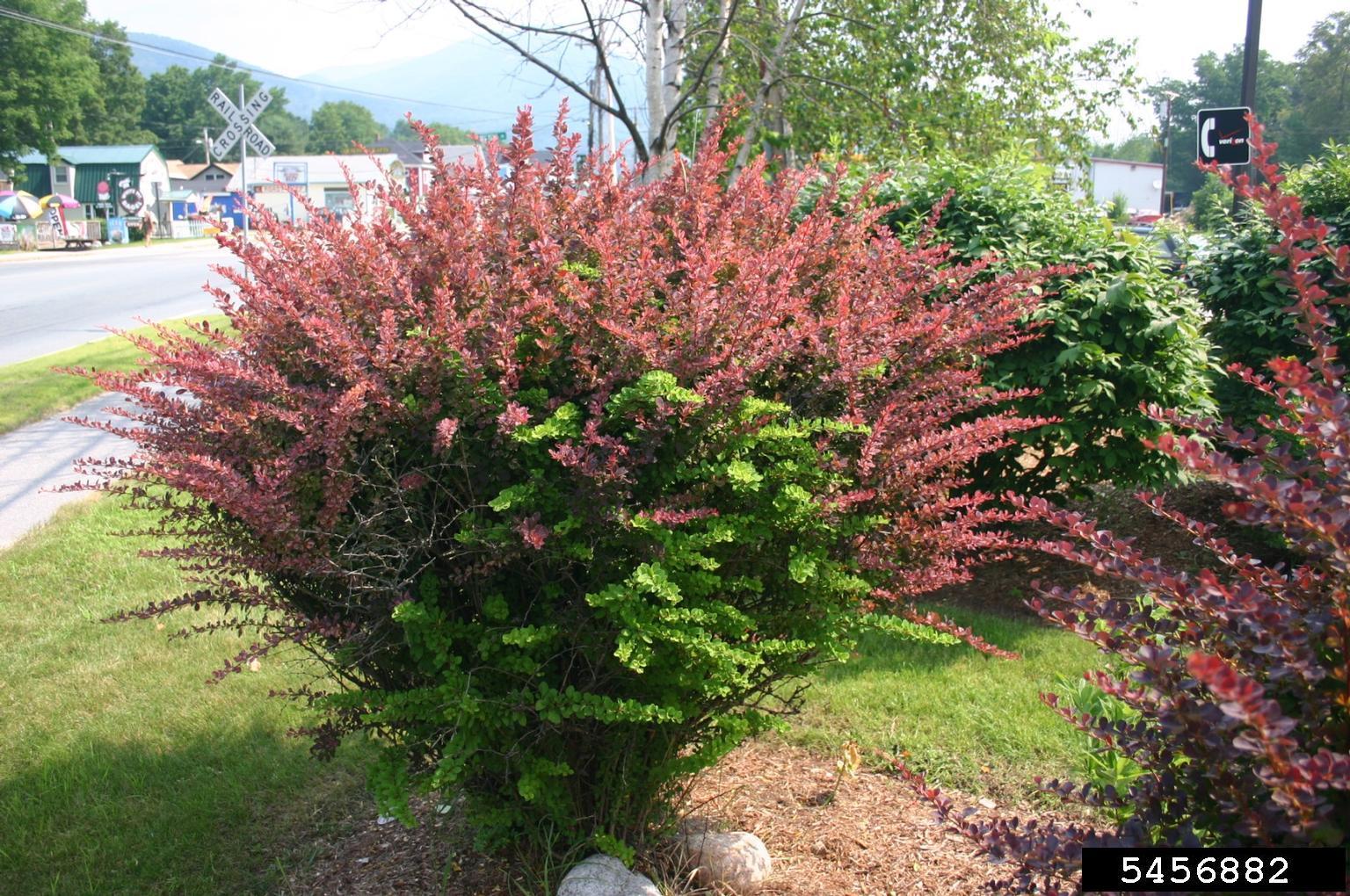
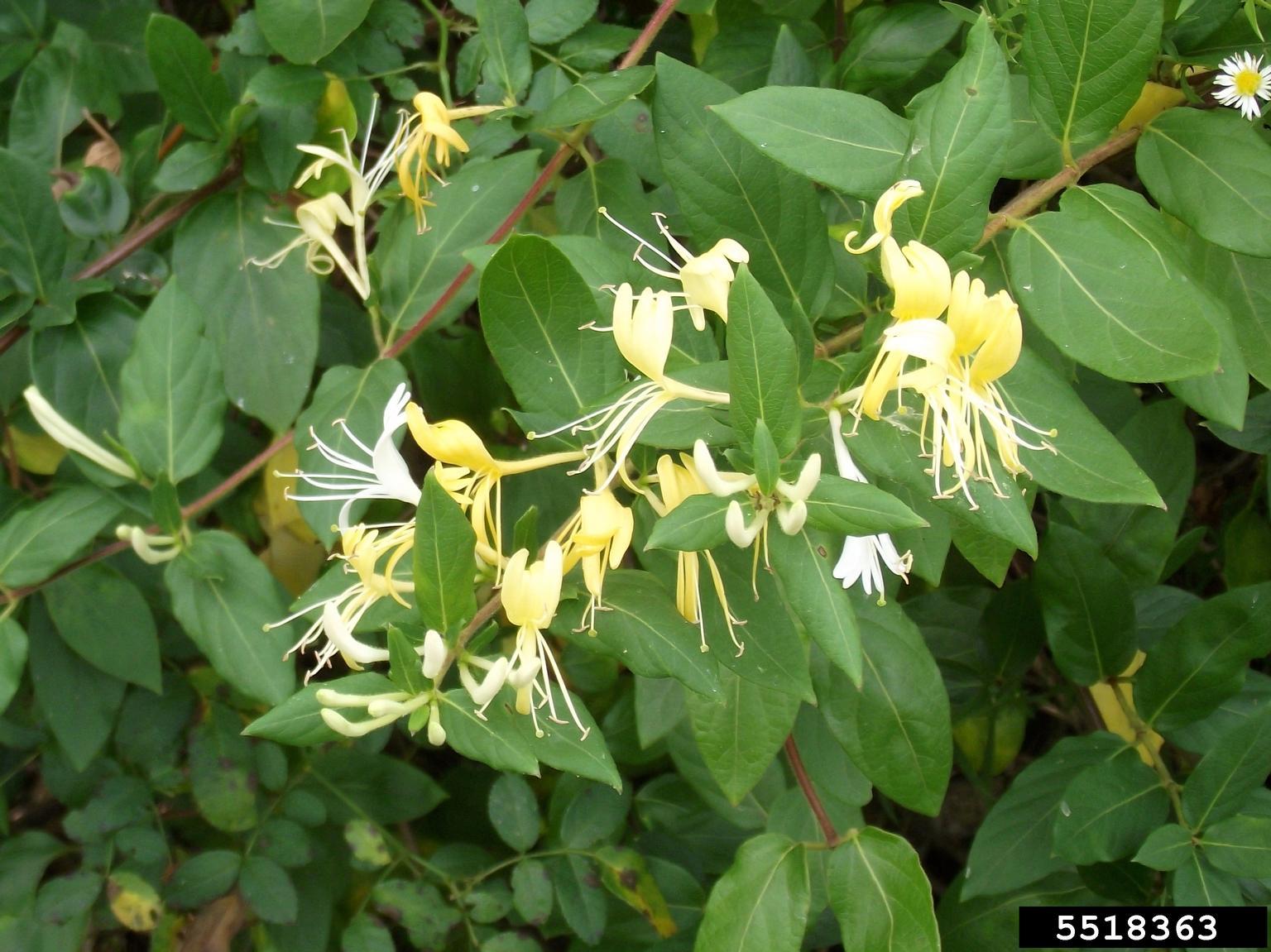
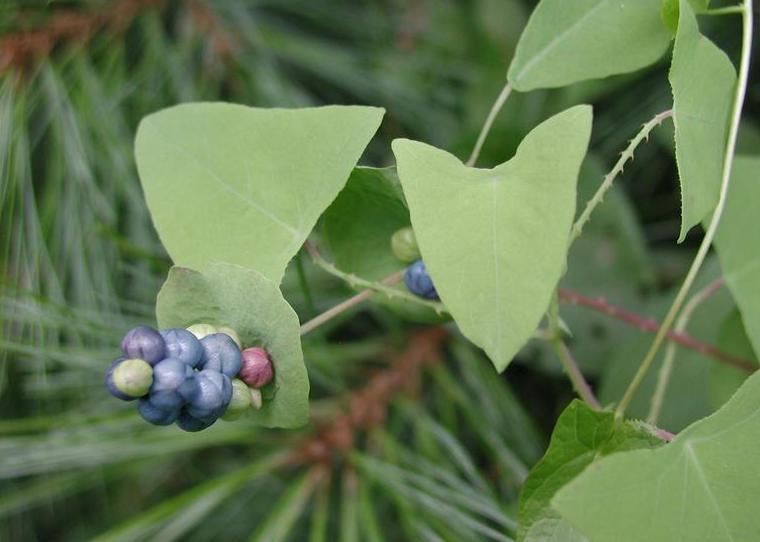
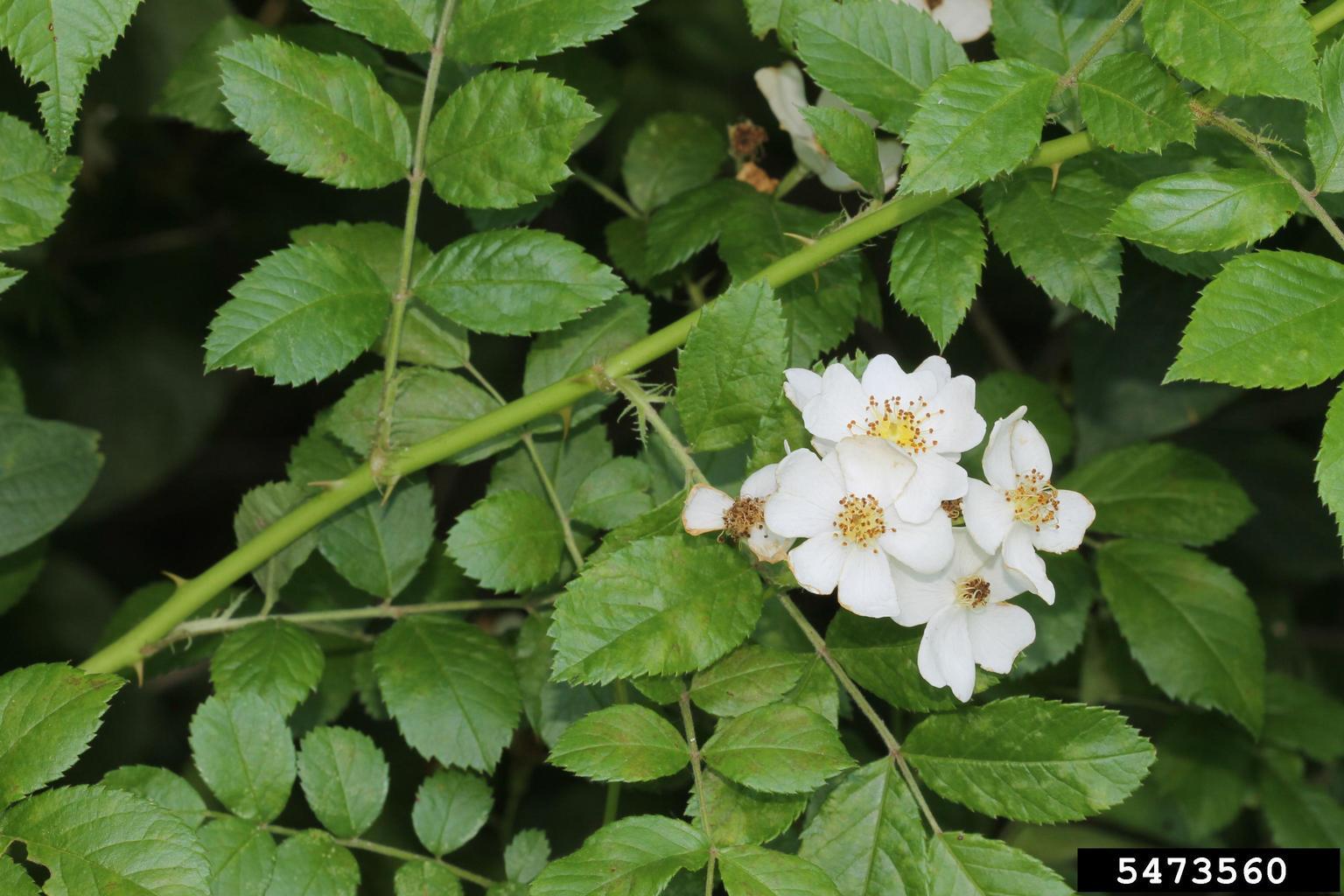
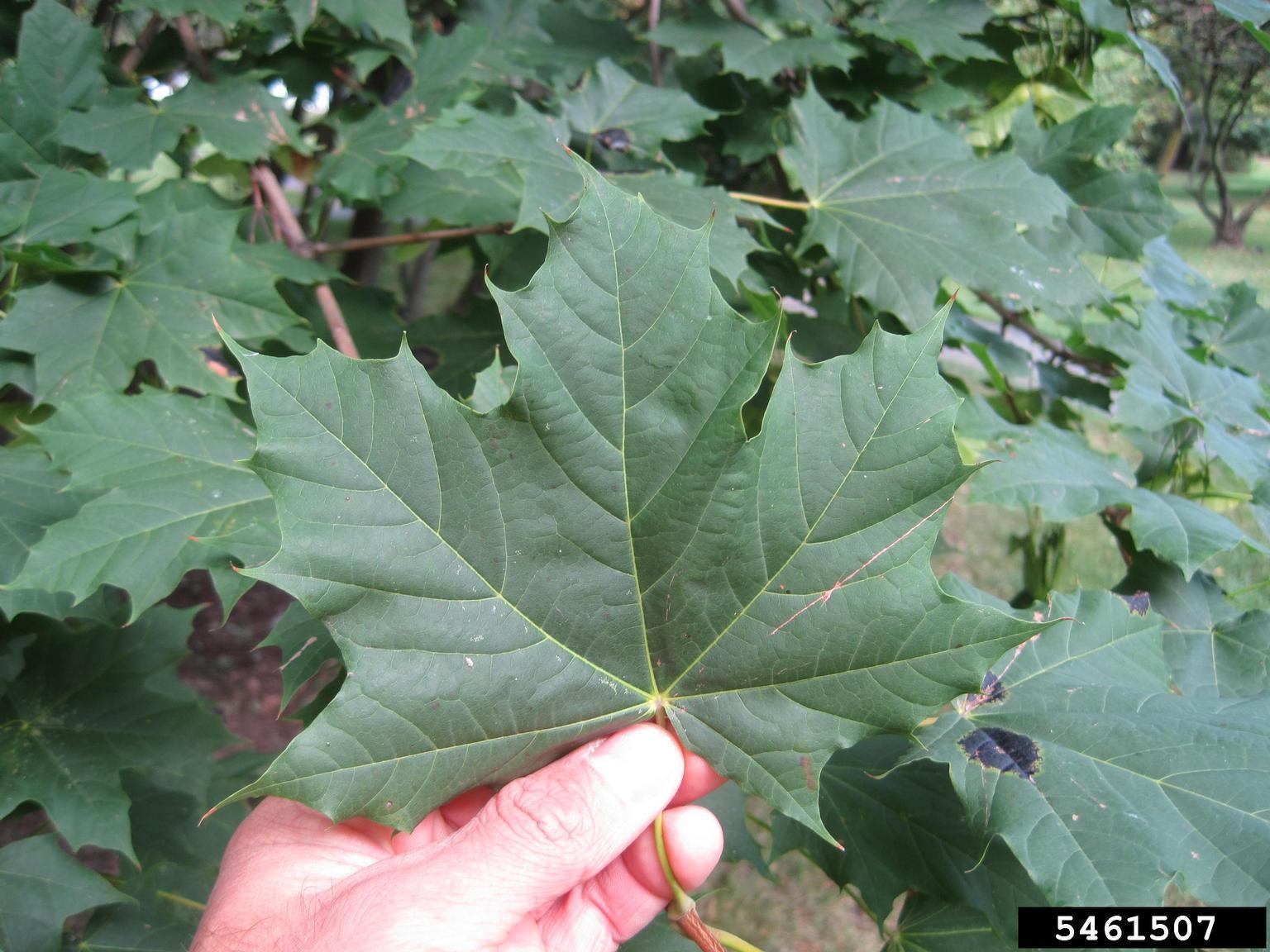
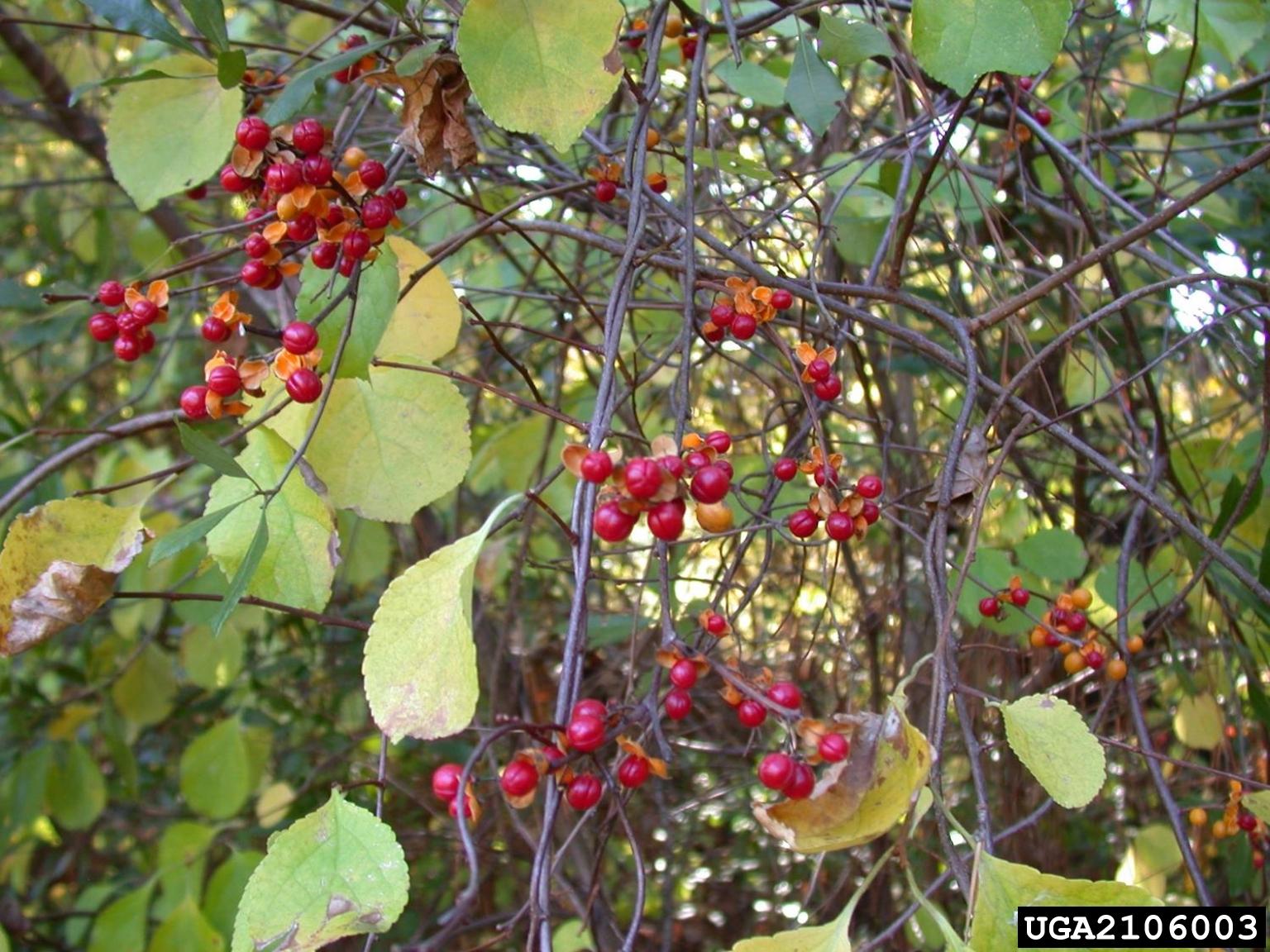
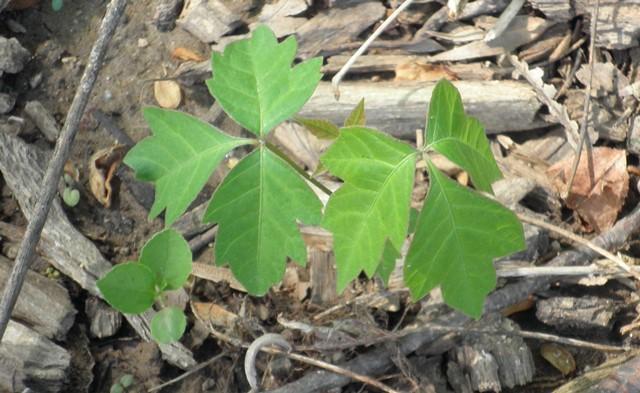
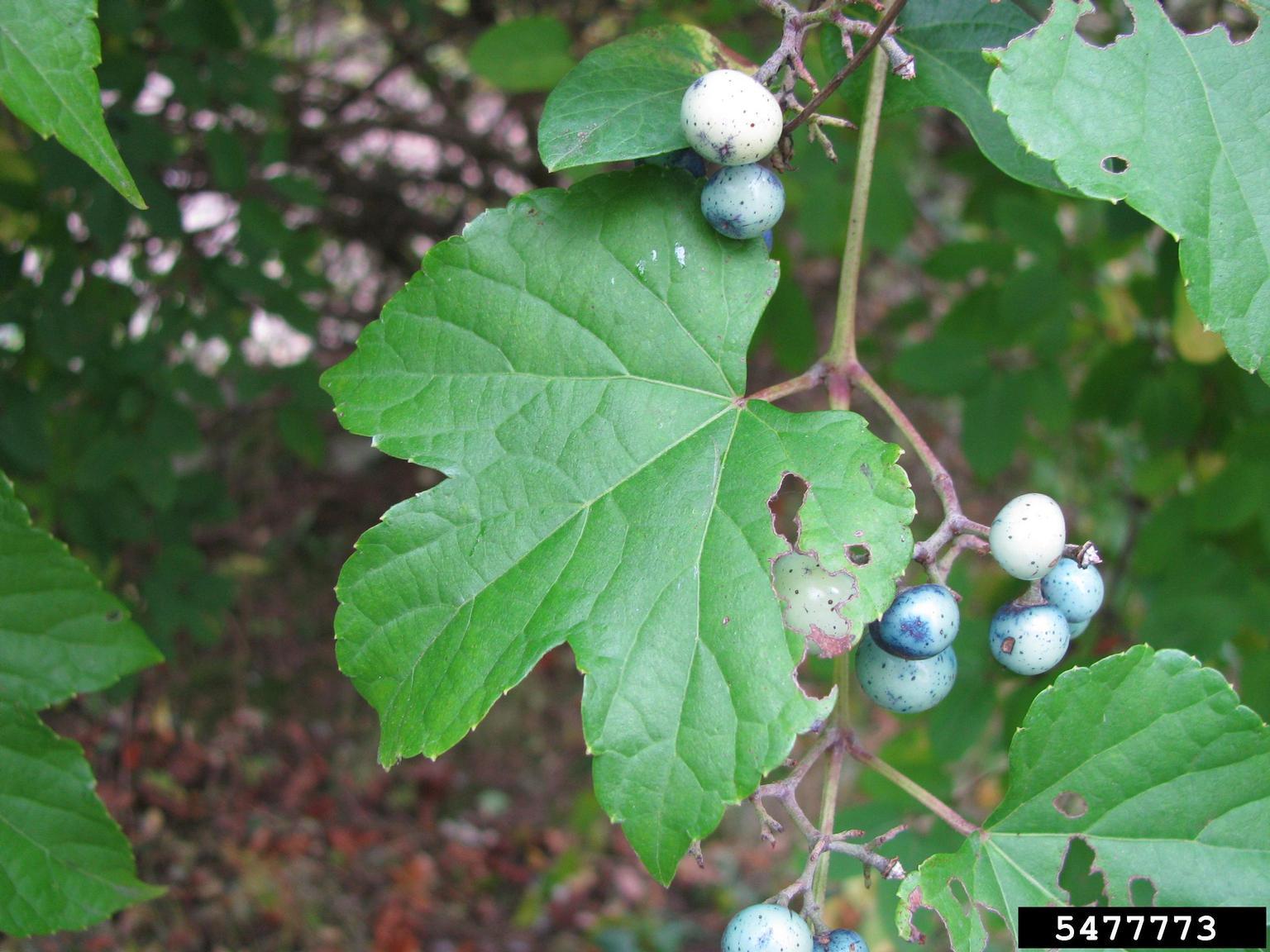
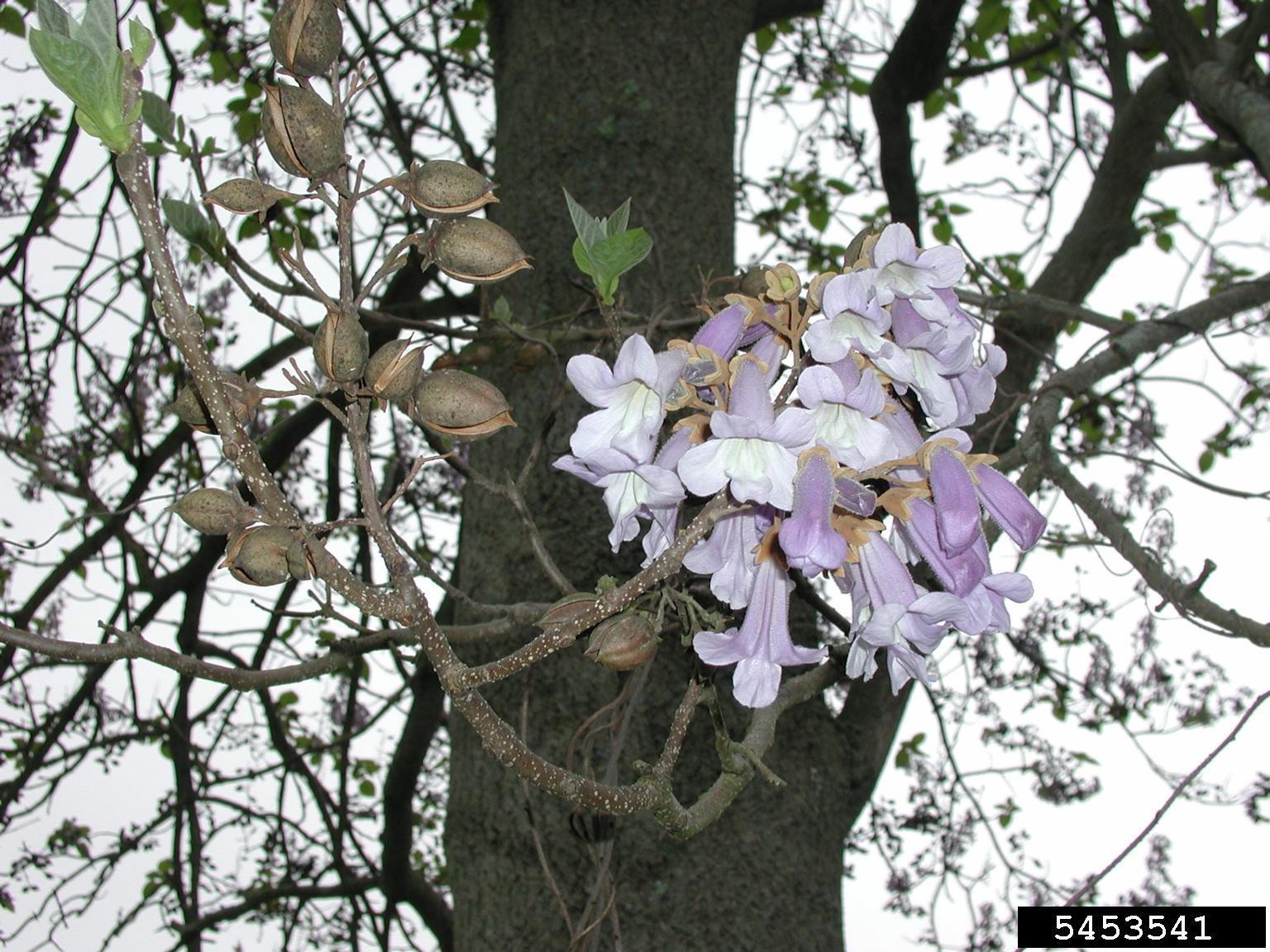
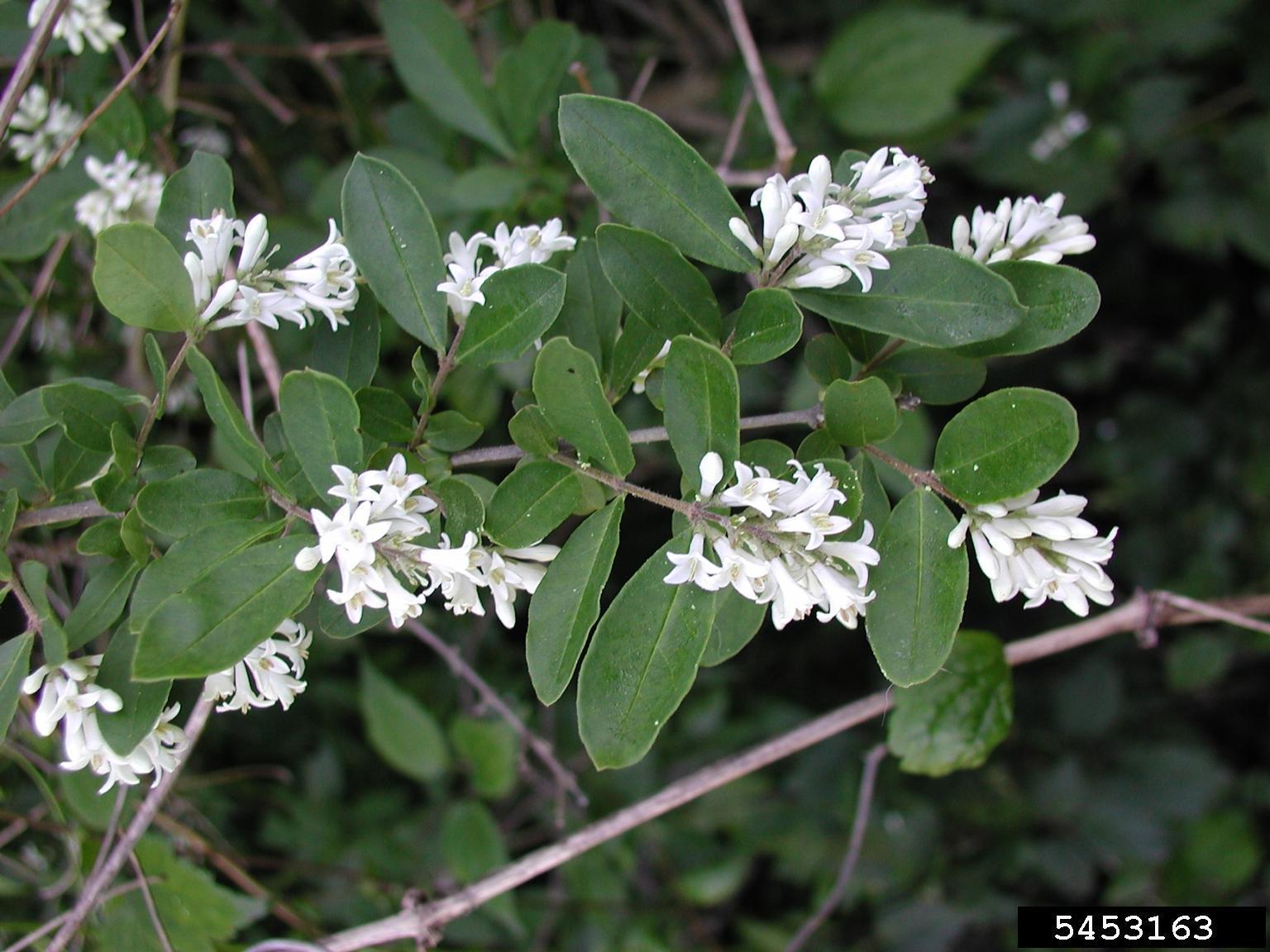
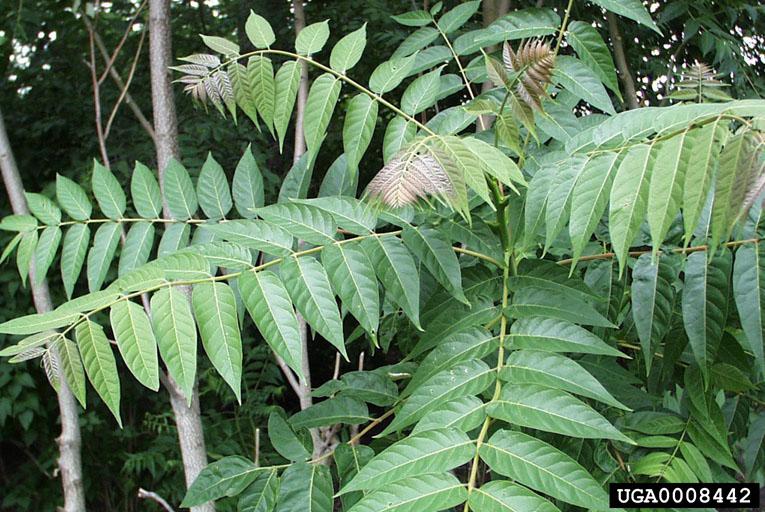
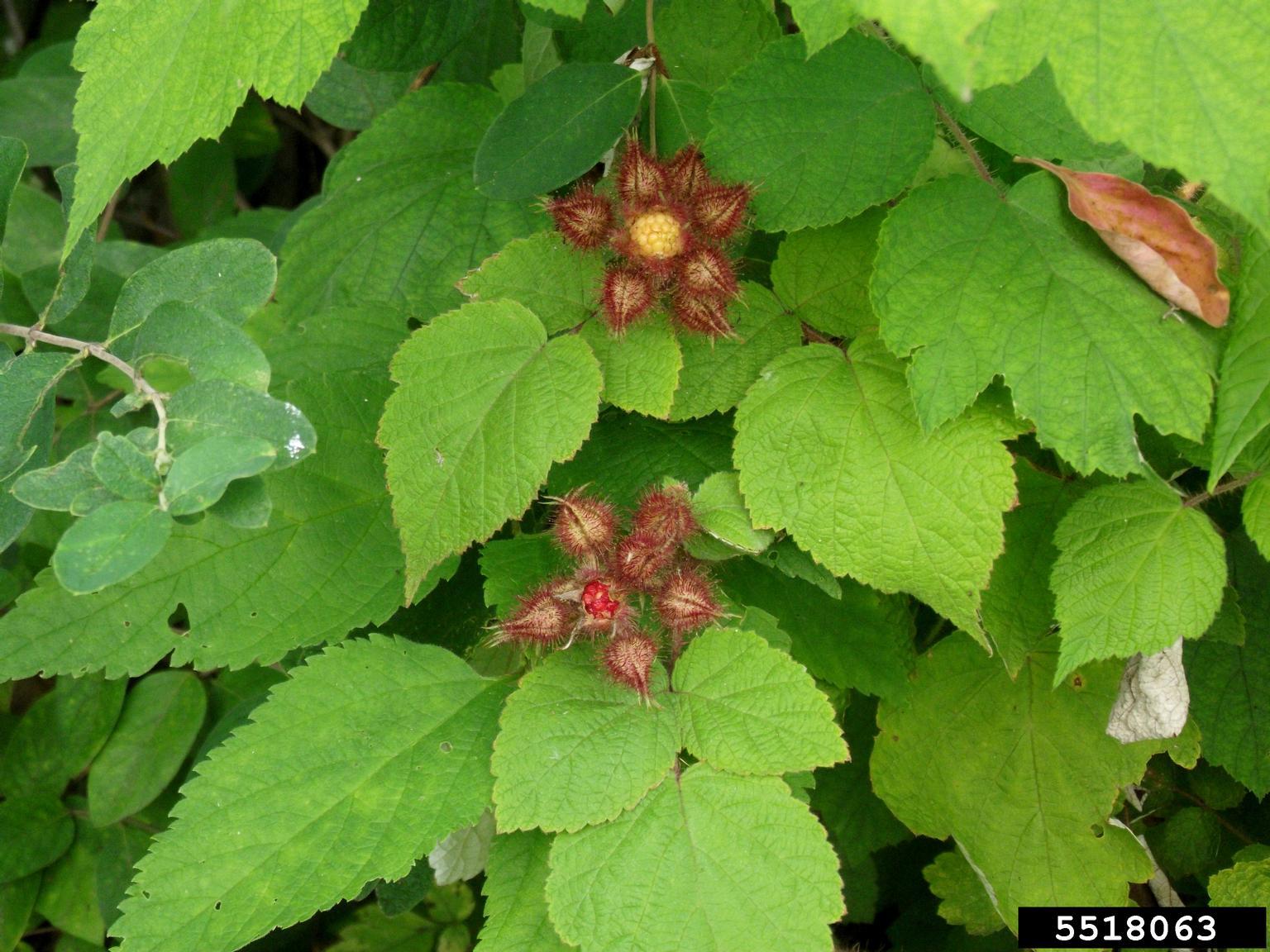
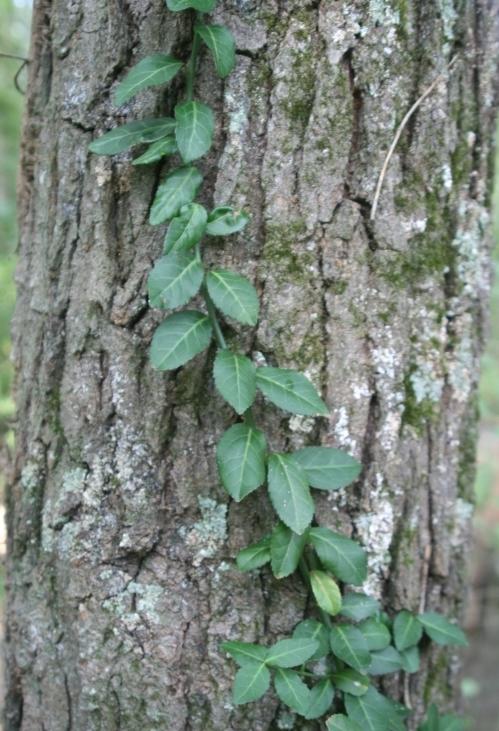
Woody weeds (shrubs, trees, and vines)
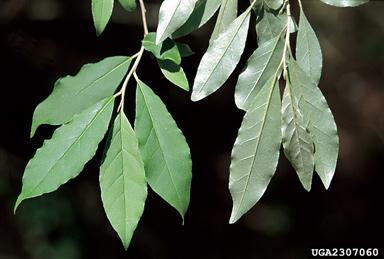
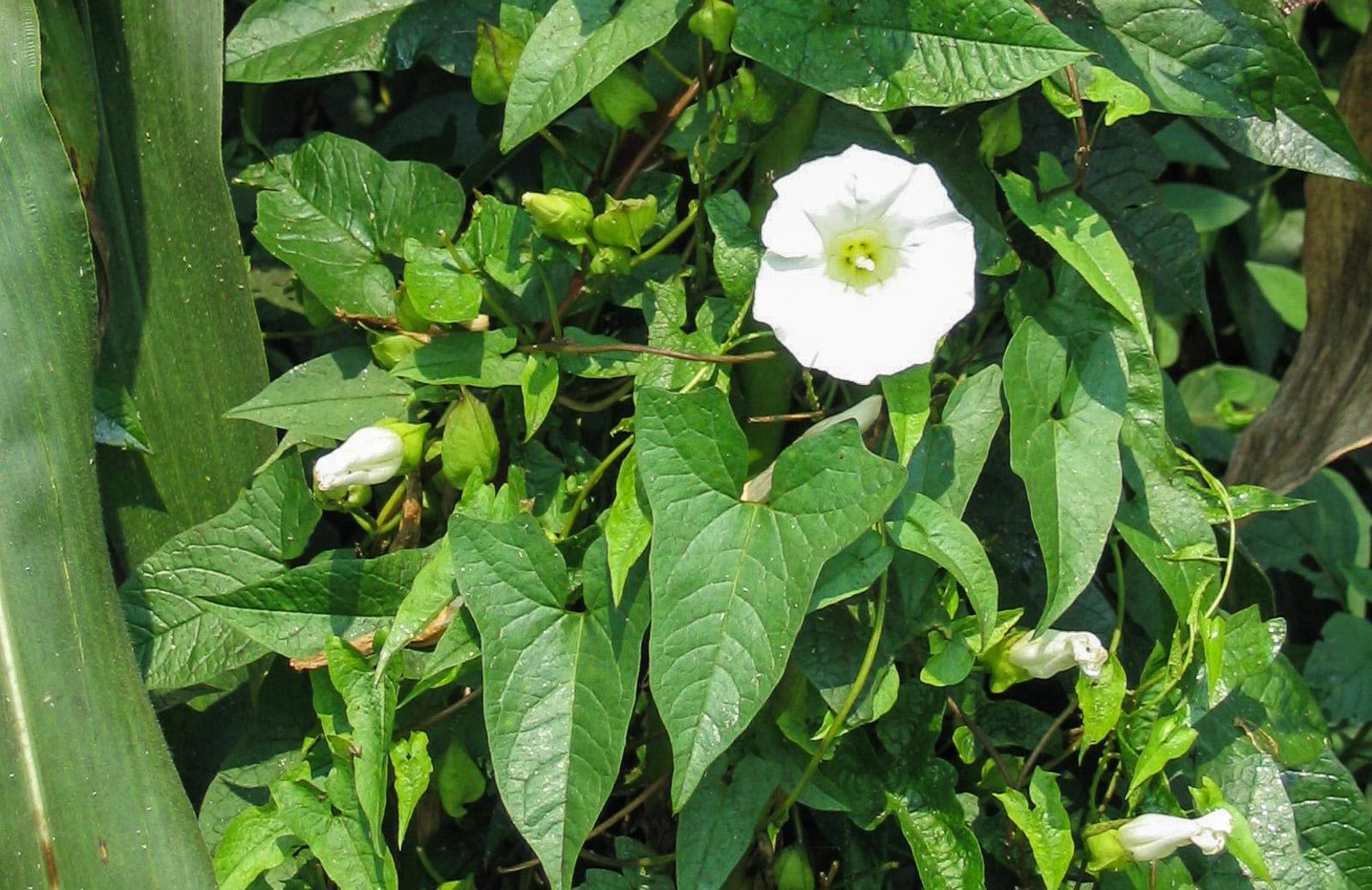

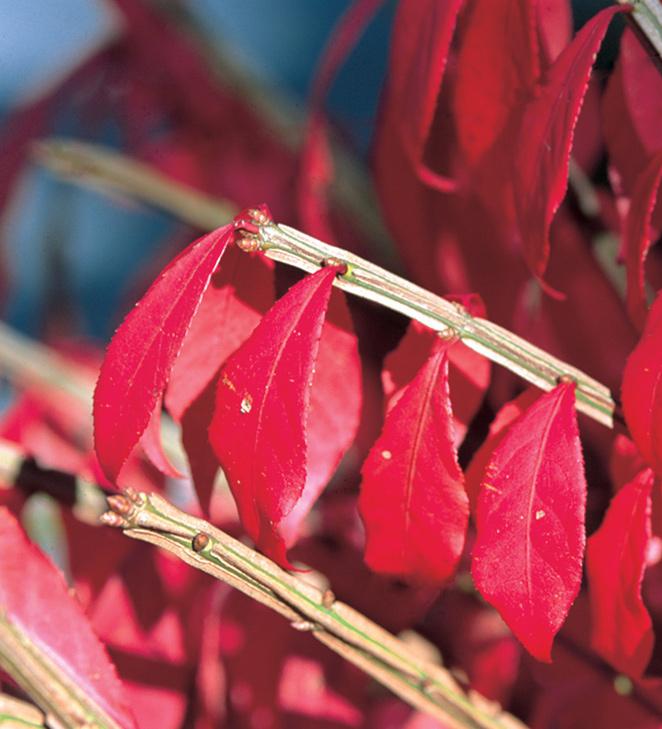
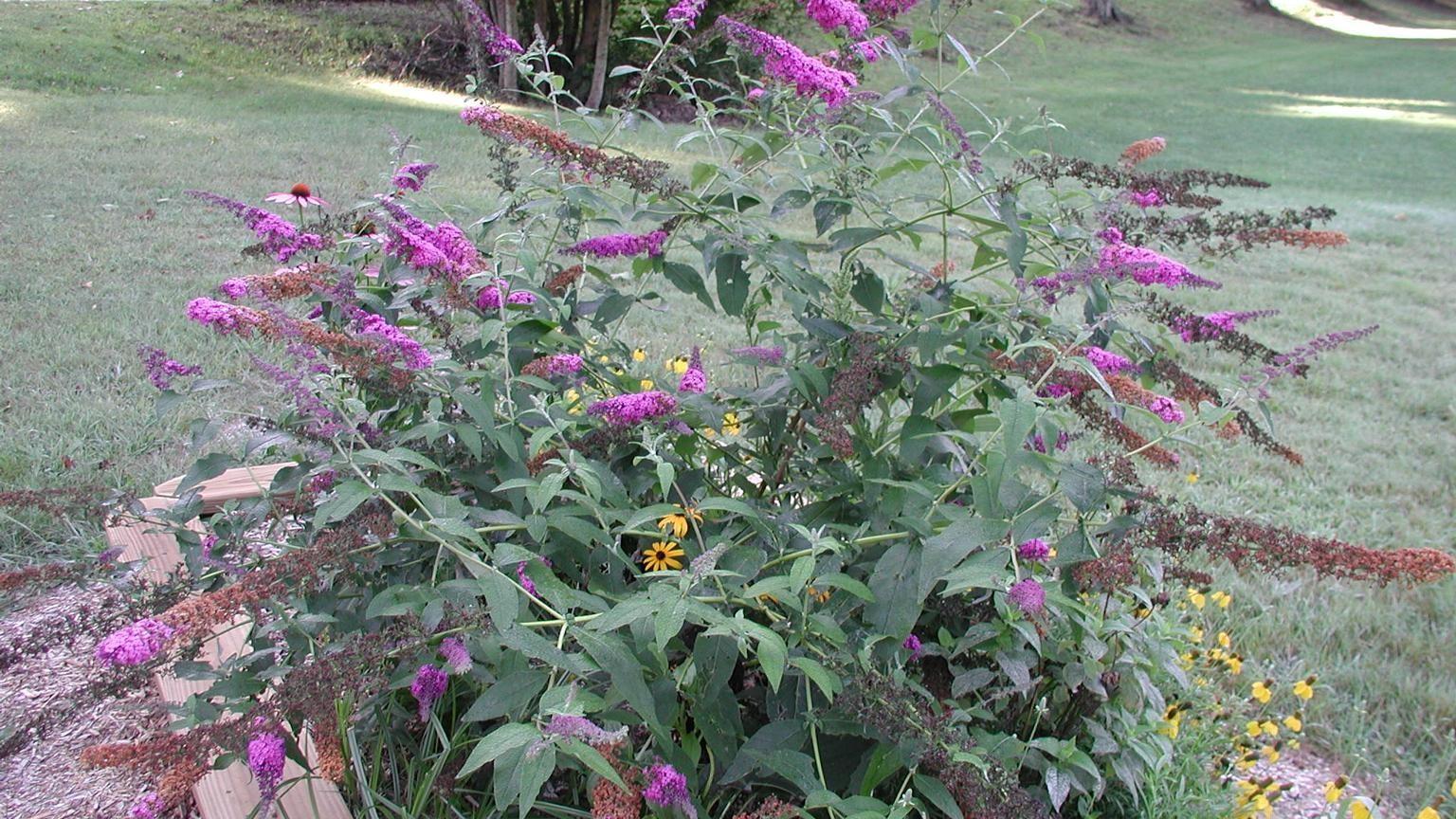


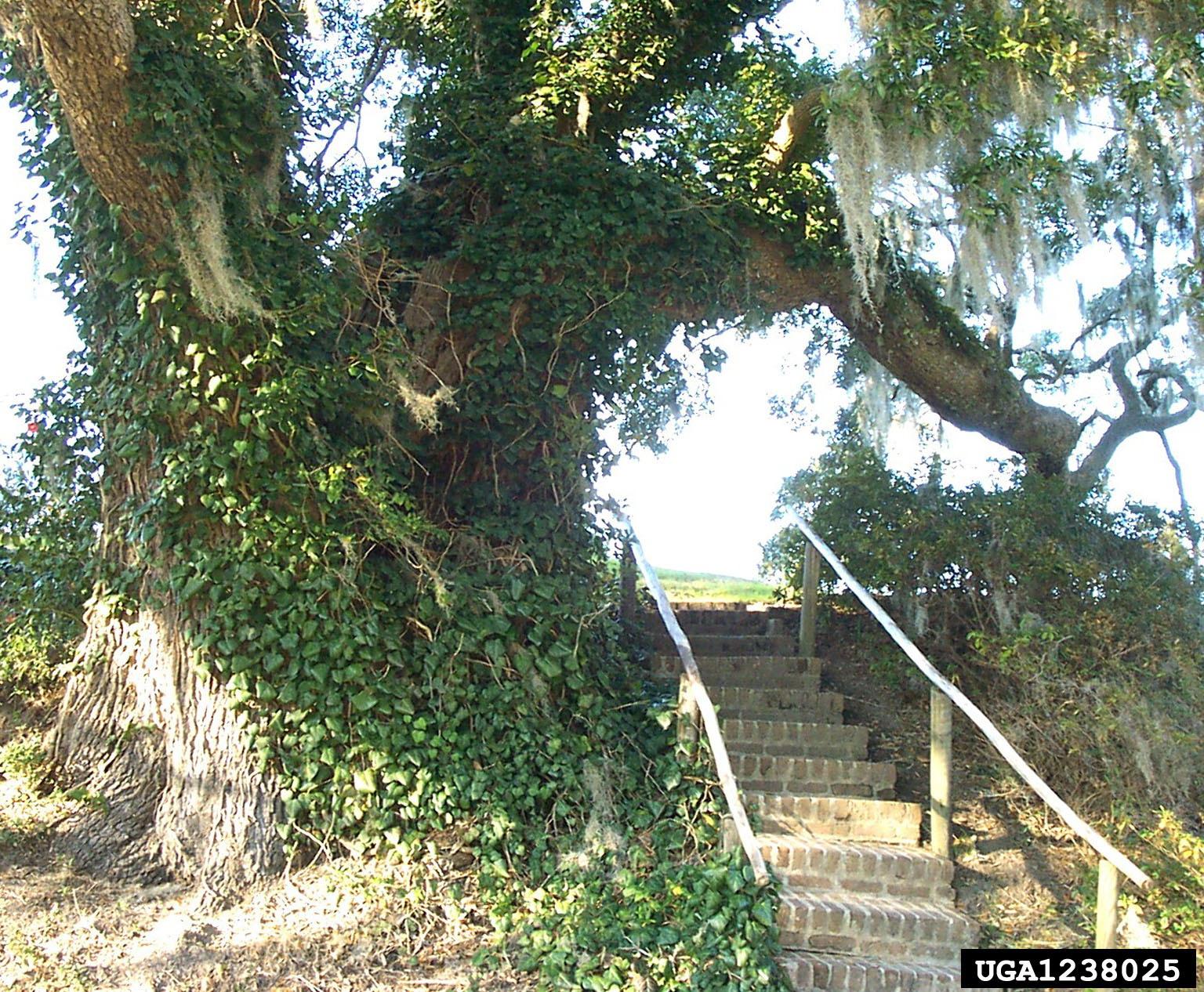
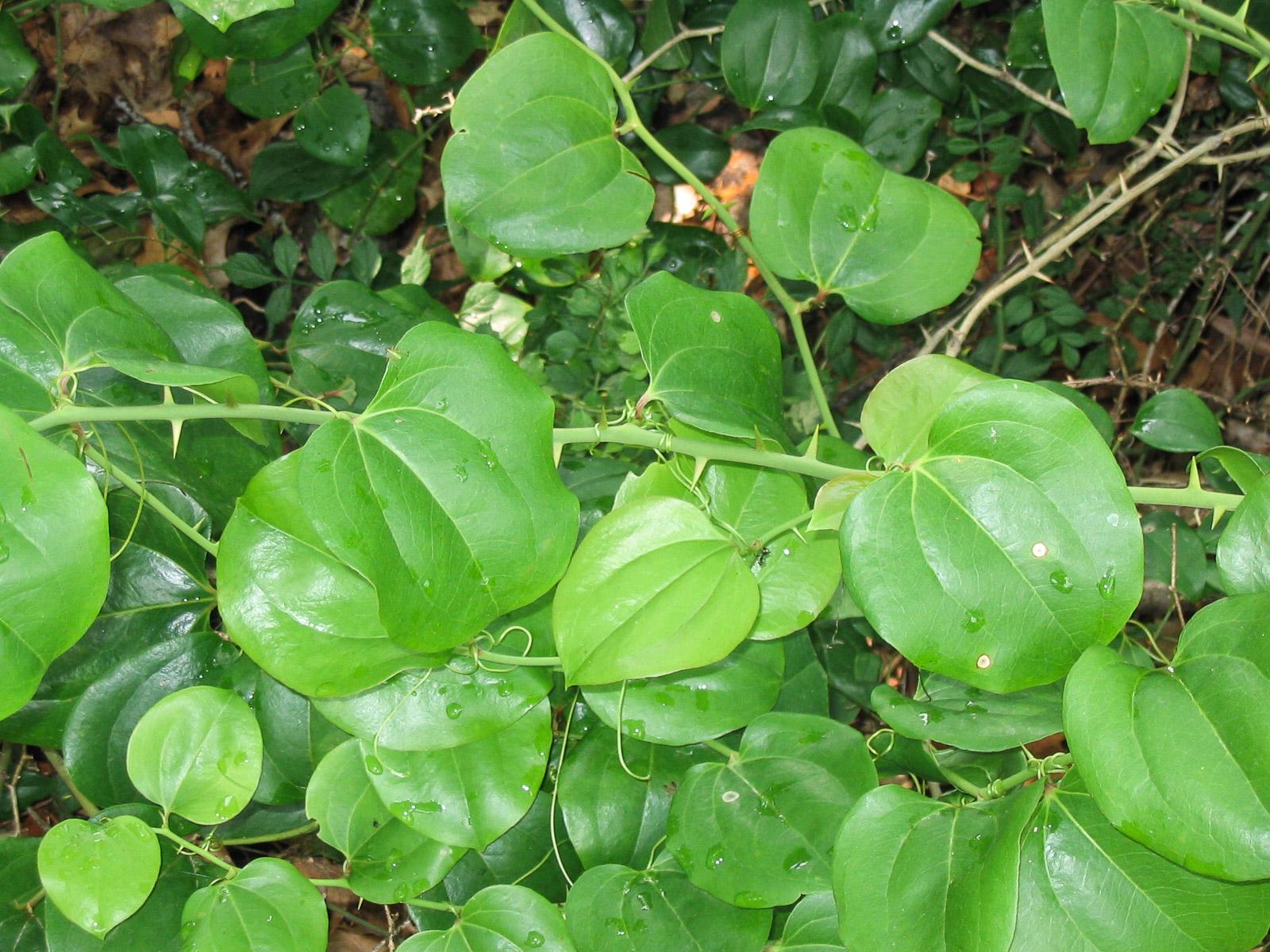
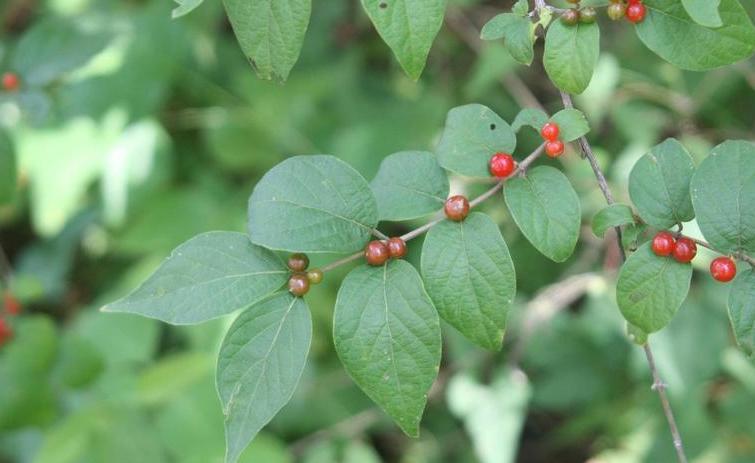

Basic tips for weed control
- Minimize soil disturbance. Digging and cultivating the soil with a rototiller brings buried, dormant weed seeds to the surface. When exposed to light, the seeds will germinate.
- Cover bare soil with groundcovers or mulch. Bare soil is an invitation for weeds to colonize an area with little competition.
- Do not let weeds bloom and ripen seed. If the entire weed cannot be removed, cut it back to remove its flowers before they develop into seed pods.
- Weeds are easier to pull up when the soil is moist from recent rain or irrigation.
Additional resources
Winter Weeds Identification (PDF) | University of Delaware
Still have a question? Contact us at Ask Extension.