Skip to main content
Menu
Get Involved
Give
Contact
Ask Extension
About
Leadership
UMD Extension Impact
Careers
Directory
Civil Rights Compliance
Extension Advisory Council and Committees
Program and Organizational Development
Resources
Animal Agriculture
Plant Agriculture
Yard & Garden
Pests
Natural Resources
Environment & Energy
Agribusiness Management
Food & Nutrition
Health & Well-Being
4-H & Youth Education
Programs
4-H Youth Development
Family & Consumer Sciences
Agriculture & Food Systems
Environment & Natural Resources
Home & Garden Information Center
Locations
Publications
News & Events
All News
Events
Invasive Plants or Trees
Home
Resources
Invasive Plants or Trees
For full functionality of this site it is necessary to enable JavaScript. Here are
instructions for how to enable JavaScript in your web browser
.
Sort by:
Date
Title
Updated: June 18, 2025
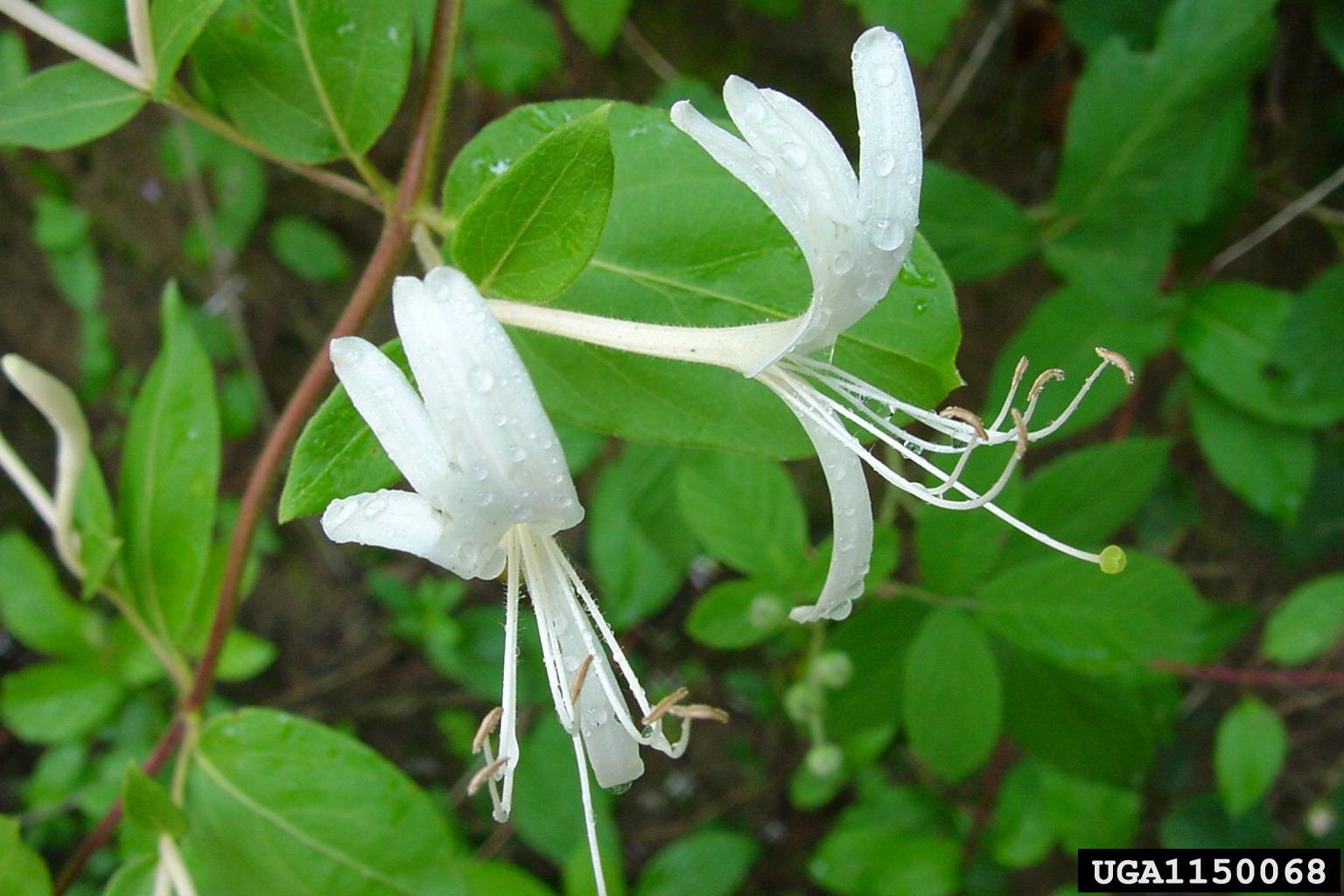
Invasives in Your Woodland: Japanese Honeysuckle (Updated 2025)
Japanese honeysuckle grows in a variety of habitats, including woodlands, wetlands, and disturbed areas, such as fence rows, roadways and rights-of-way. It is shade-tolerant and often smothers and kills native ground-level vegetation. It can also kill shrubs and saplings by girdling.
Updated: June 17, 2025
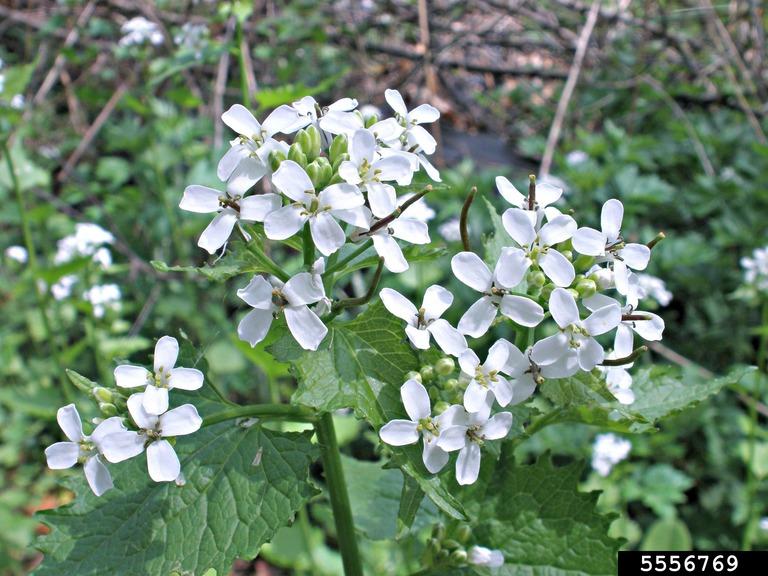
Invasives in Your Woodland: Garlic Mustard (updated 2025)
Garlic mustard is a biennial flowering plant in the mustard family that is an aggressive invader of woodlands throughout the United States.
Updated: June 17, 2025
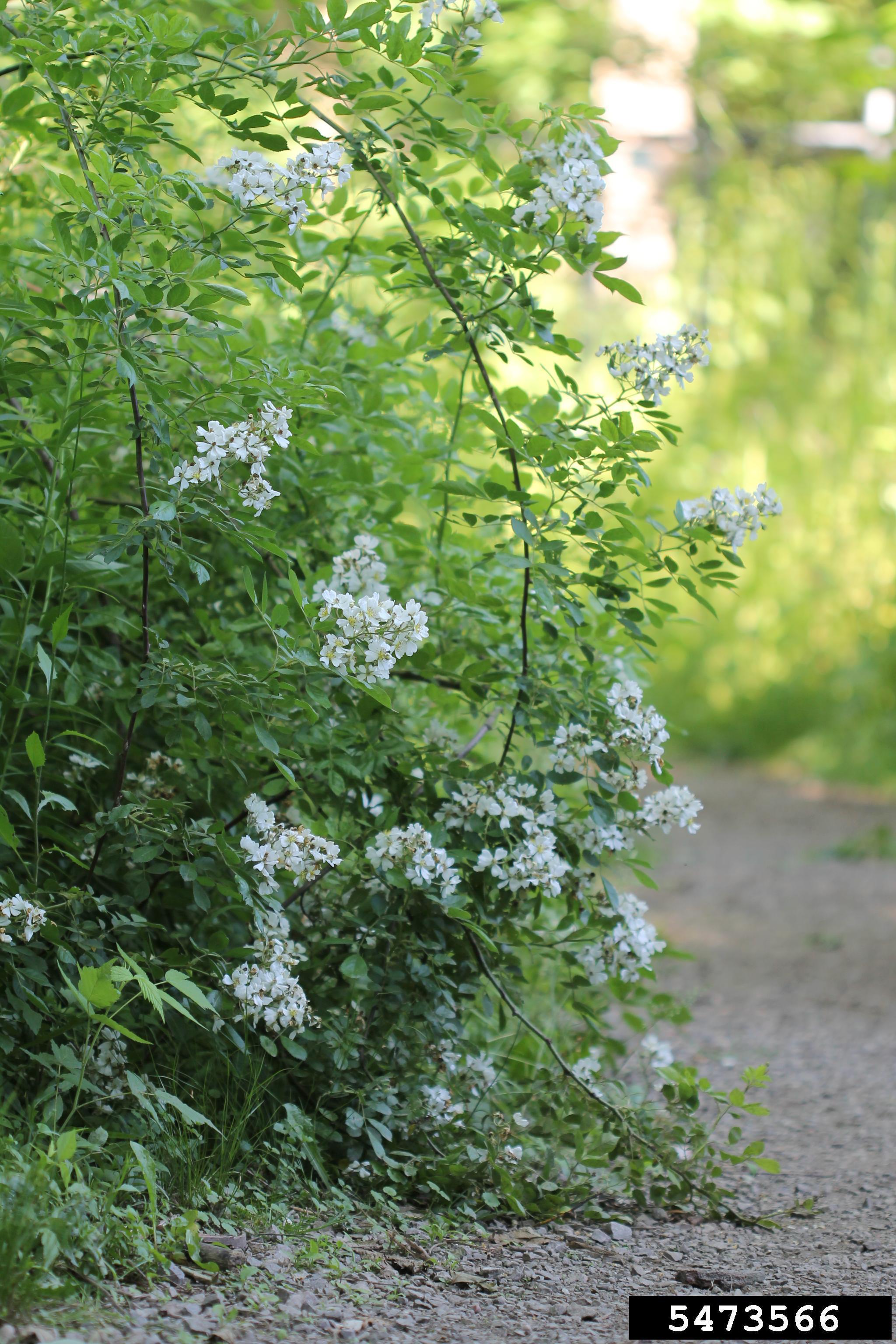
Invasives in Your Woodland: Multiflora Rose (updated 2025)
Multiflora rose is one of the most common invasive plants in the mid-Atlantic region. Read how to identify it, how to keep it from spreading, and how to keep it in check.
Updated: June 17, 2025
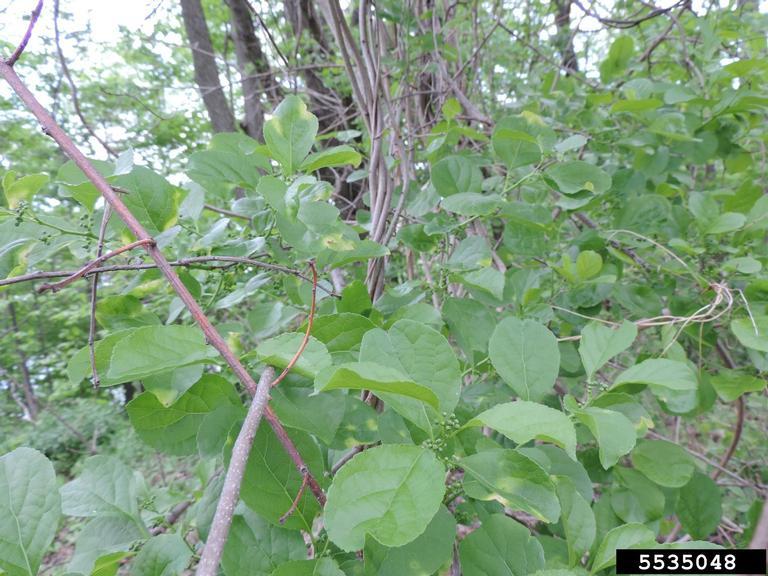
Invasives in Your Woodland: Oriental Bittersweet (updated 2025)
Like many invasive plants in North American woodlands, Oriental bittersweet is a strong competitor for light and nutrients in a variety of disturbed landscapes. It can be found along roadsides, in fallow fields, and in woodlands that have been recently harvested.
Updated: June 17, 2025
Invasives in Your Woodland: Callery Pear (updated 2025)
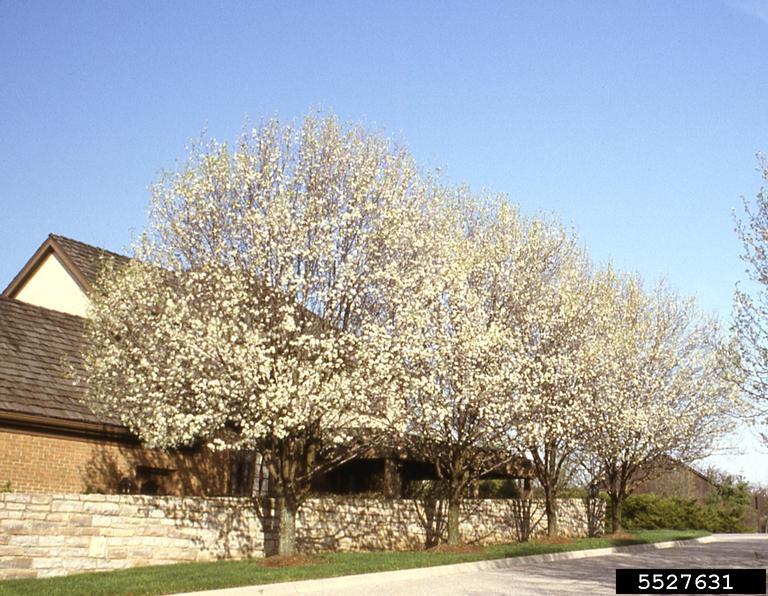
Drive along many of Maryland’s major roads in the spring, and you will see what seems like a wall of white, as the Callery pear (and its offshoot, the Bradford pear) are in bloom. While these may be an impressive sight, these trees are an invasive and highly competitive species.
Updated: June 16, 2025
Invasives in Your Woodland: Norway Maple
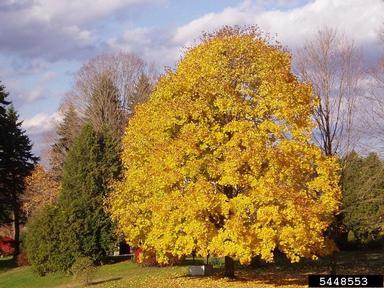
The Norway Maple is so conspicuous throughout the United States that it is often easy to forget that it is an introduced species that can adversely affect the environment.
Updated: June 16, 2025
Invasives in Your Woodland: Wavyleaf Basketgrass (updated 2025)
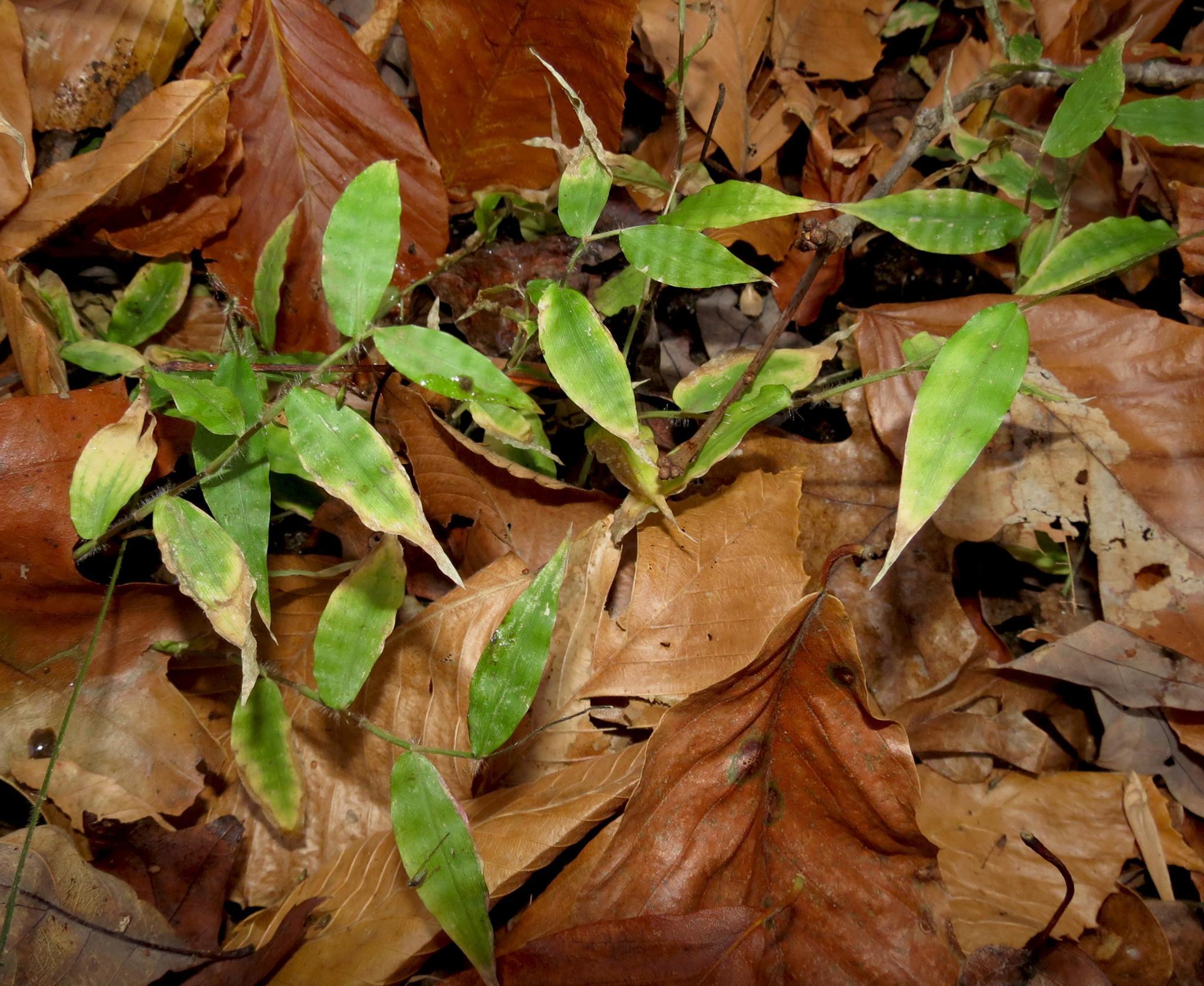
Wavyleaf basketgrass was first identified in the United States in Baltimore County, MD in 1996. It is less well-known than other invasives, but it is spreading rapidly in Maryland and Virginia.
Updated: June 13, 2025
Back issues of "Branching Out"
Back issues of the Branching Out newsletter can be found on this page.
Updated: June 12, 2025
Branching Out - Spring 2025
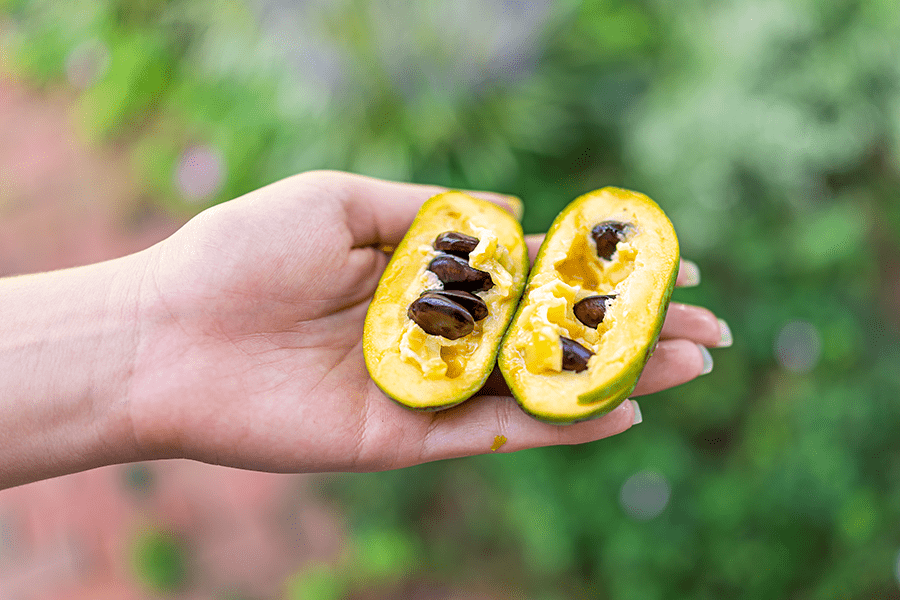
In this issue: With warmer weather comes a reminder to stay vigilant about woodland threats, and a look at the importance of pollen. There's an assessment of ghost forests in the region, plus a roundup of news you might have missed. Read about the pawpaw in our "Native Trees of Maryland" feature and about glossy buckthorn in our "Invasives in Your Woodland" feature. And more!
Updated: May 23, 2025
Enjoy the Season, But Stay Vigilant
Enjoy the warm weather, but continue to stay on the lookout for woodland threats.
First
Previous
Page
1
Page
2
Current page
3
Page
4
Page
5
Page
6
Page
7
Page
8
Next
Last